
I was up at 3 a.m., scrolling Black Friday feeds and watching price tags shift like weather. You could see the deals—controllers, headsets, monitors—but when I searched for the PS5 the sticker didn’t budge. That pause was a slammed door.
I follow PlayStation pricing closely, and you should, too: the sale is real, and the single missing piece is obvious. I’ll walk you through what’s actually discounted, why the console stayed at full cost, and what that means if you’re weighing a purchase this week.
At online retailers the DualSense is down $20 (€18) while the PS5 price is unchanged
Polygon and Moyens I/O flagged the early drops: DualSense controllers are showing roughly a $20 (€18) discount at major stores like Amazon and Best Buy. That’s real money if you’re buying a second pad for couch co-op or a replacement.
But here’s the catch: those peripherals are accessories to the console, not substitutes. You can stack a $20 controller, a $100 (€90) PSVR2 markdown, and a $50 (€45) discount on a 27-inch monitor and still not own the device that makes them useful. The incentives read like a perks list for people who already have a PS5.
Is the PS5 on sale for Black Friday?
Short answer: not at scale. A few bundles may appear at certain retailers, but the standard PS5 SKU is largely at full price across PlayStation’s storefront and national retailers. Sony’s hardware promos are focused on add-ons more than the console itself.
At storefronts the PSVR2 shows a $100 cut, but most buyers need the console to use it
Retail product pages list the PSVR2 at about $100 (€90) off in several regions. That discount is meaningful if you want virtual reality without assembling a PC VR rig or chasing used gear.
Yet VR sales only matter if the gateway—your PS5—is within reach. For a lot of shoppers the headset is an expensive accessory for an already expensive machine, which hurts conversion. The sale feels like a costume party where the host refused to come.
Why isn’t Sony discounting the PS5?
Sony can control supply and pricing to protect margins, and PlayStation hardware still feeds a lucrative content and services ecosystem. Price hikes earlier in the year pushed some regional MSRPs up by several hundred euros, and that makes cutting the base console risky for Sony’s profitability targets.
Retailers want to sell accessories and subscriptions that carry higher long-term margins. Discounts on controllers and headsets move units without forcing a rare strategic cut to the console’s MSRP.
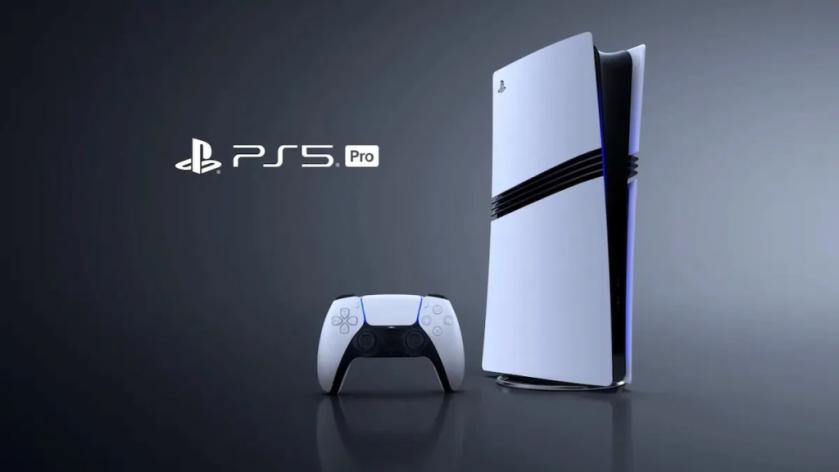
At social feeds and store windows the PS5 Pro shows signs of premium pricing above $1,000
From my timeline to in-store flyers, the PS5 Pro is often priced in the four-digit range—north of $1,000 (€910) in many markets. That changes the psychology of a holiday sale: the console is now a considered purchase, not an impulse buy.
When flagship hardware drifts into luxury territory, accessories feel like the consolation prize. The discounts feel performative if you weren’t already committed to Sony’s ecosystem.
Should you buy peripheral discounts if you don’t own a PS5?
If you’re saving toward a console, peripherals on sale can make sense only if the math favors waiting. For example, a discounted DualSense is worth it if you plan to pair it with an eventual PS5 purchase and can store the controller. But buying surround accessories without the platform risks wasting an opportunity cost.
Think of peripherals as small bets on a larger purchase, not as standalone wins. The market still favors buyers who already own PlayStation hardware.
The pattern is clear: Sony is trimming the edges while holding the core. The sale dresses the ecosystem in holiday lights, but the main stage stays behind velvet rope—so what does that mean for competition and consumer trust this season?