
I froze as my Animon blinked its last health bar because I hesitated on a single icon. You feel that sudden clarity—one decision, one extra SP, and the fight reorders itself. I want to show you the moves that make that choice worth taking.
I’ve been parsing creature systems since the Pokémon era, and I’ll say this plainly: LumenTale treats traits differently. You and I both want to squeeze value from every turn; that’s what these attributes are for.
On my morning walk I saw someone trade a rare sticker for one small boost — All traits in LumenTale and their effects
Every Animon carries one of five attributes. You can find an Animon’s trait on its stat screen next to Attribute. Most push your damage output; one leans into team sustain.
| Trait | Effect |
|---|---|
 Felicis Felicis |
Allows an Animon to slightly heal its allies after attacking. |
 Mestus Mestus |
The Animon uses a percentage of its HP to deal additional damage to its opponent. |
 Furor Furor |
Increases damage dealt by a skill. |
 Horrens Horrens |
Neutralizes an opponent’s resistance and makes an Animon’s next attack super effective if the opponent would have been defeated. |
 Sereum Sereum |
Considerably increases an Animon’s chance of dealing a critical hit. |
How do traits work in LumenTale?
They’re conditional modifiers that you flip on before an attack. Activating a trait consumes an extra unit of SP on top of the move’s base cost, so you can only use traits while you have spare SP. In combat, the trait’s symbol glows blue when ready; if you miss that cue, you pay the price in HP or momentum.
A trait is a dimmer switch on a lamp. Use it too little and the room stays dark; waste it and you burn through power.
What does Felicis do?
Felicis converts offense into light healing. When an Animon with Felicis lands an attack with its trait active, nearby allies regain a small amount of HP. That makes Felicis a quiet answer to attrition-heavy fights or long dungeon sweeps where pause heals are scarce.
Can traits change the flow of a battle?
Yes. Traits like Horrens can erase resistances and force a follow-up to hit super effectively, while Sereum stacks the odds toward criticals. Mestus trades your HP for raw extra damage, which can close a gap in a single swing. You’ll want to consider each trait through the lens of risk versus reward.
At a late-night gaming session I watched someone fumble the activation — How to use a trait in LumenTale
To trigger a trait, hover over the attack you plan to use. The trait symbol sits to the left of the move list. On controllers press R1; on mouse and keyboard click the trait symbol inside the dotted outline.
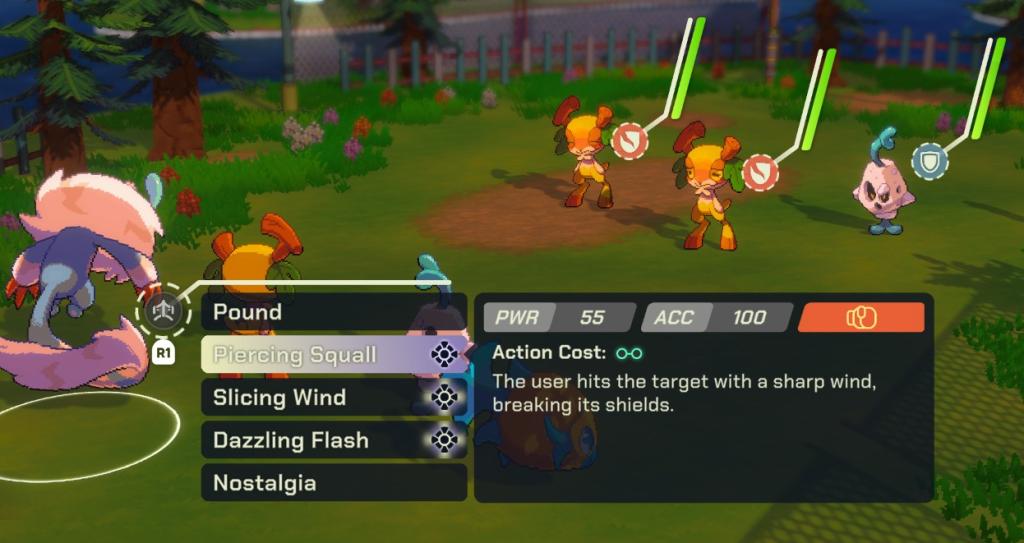
When a trait is active the icon will glow blue; you’ll also see the symbol appear under the Animon as it attacks. You can activate one trait per Animon per turn so long as your total SP can cover the extra cost. That spacing matters: spend SP on the right turn and you win the exchange, waste it and you’re replaying the same fight.
Triggering one is a gambler’s loaded die that shifts the odds in a single roll.
If you sync traits with team composition—Felicis with sustain builds, Sereum on crit-heavy glass cannons, Horrens on finishers—you’ll get predictable lifts in performance. Players on Steam and the LumenTale Discord share reel-by-reel clips of clutch trait plays; watch those to see timing in real matches and learn which traits pair with which moves.
Now that you know what each attribute does and how to press it in combat, which trait will you risk your next SP on?