
I was two matches in when my starter striker, a plain Basic card, scored a scrappy winner and suddenly felt worth keeping. You know that jittery moment—do you bench the rookie or commit to training him through the grind? I stayed; you should read what I learned before you toss any card.
I play games on Steam, PlayStation, and Xbox, and I write about this stuff for a living, so you’re getting a blend of hands-on testing and practical advice. This guide will show you how player growth in GOALS actually works, what to prioritize in your squad, and how to avoid the most common waste-of-time moves.
Starter squad shock: your opening team will feel underpowered
Most players begin with Basic cards and a few Uncommon items. Each card in GOALS is unique—if you own a player, no one else in the world has that exact card. Rarity tiers determine starting stats: Basic, Uncommon, and above. Higher rarity gives better initial numbers, but rarity isn’t the whole story.
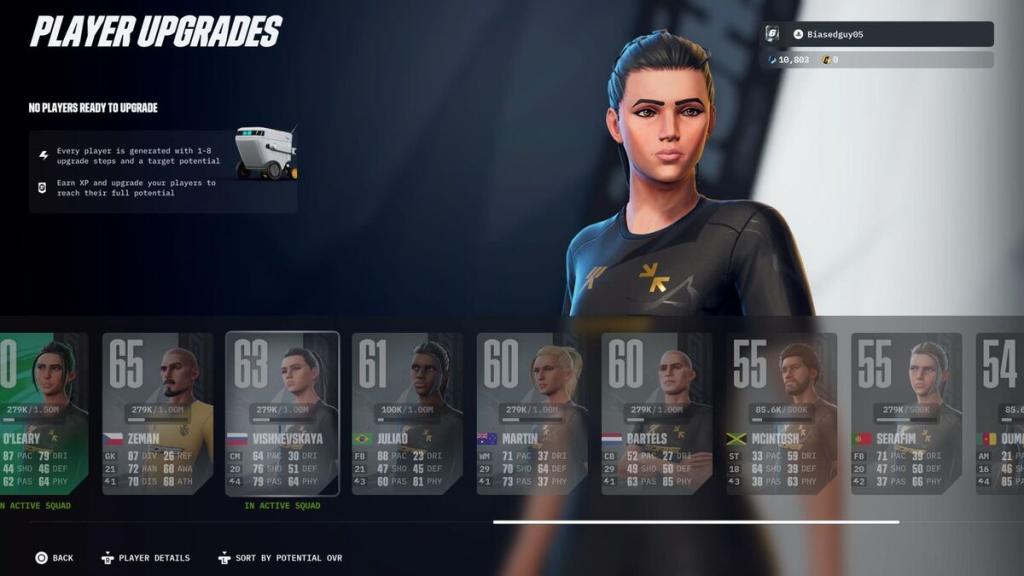
Every card has an XP meter. Put a player into a completed match and they gain experience; playtime and match completion matter more than glory moments. When that XP bar hits the threshold, the card becomes eligible for an upgrade. Upgrades raise the overall rating and boost random stats—sometimes hugely, sometimes modestly—so consistency beats gambling on one flashy game.
XP pacing: basic cards level quickly, but training value changes the math
At first, Basic players climb faster because their XP thresholds are low. Uncommon and better cards require more XP to level. But there’s a second stat you must check: the little lightning bolt in the bottom-left of a card. That number—1 through 8—represents training value. A Basic card with a high training rating can outgrow other low-training, higher-rarity cards.
Think of a high-training Basic as a sapling that can become an oak: its starting leaves are small, but given time it can shade your whole team. That means you shouldn’t auto-discard low-rarity cards; they can become dependable starters if their training stat is high.
How do you train players in GOALS?
You train them by playing matches. Every completed match awards XP to starters; substitutions will still grant some XP but less. Make use of daily objectives and squad rotations on Steam or console to maximize playtime without burning an entire roster. If you run a mix of FIFA-like friendlies and competitive matches, prioritize matches where your target players are in the starting XI.
Stat boosts and randomness: upgrades are part planning, part luck
When a card upgrades, it improves core ratings and boosts a few stats at random. You can steer results only so far—there’s room for surprise growth. Over many matches, these random gains average out and your favored players will become noticeably better.
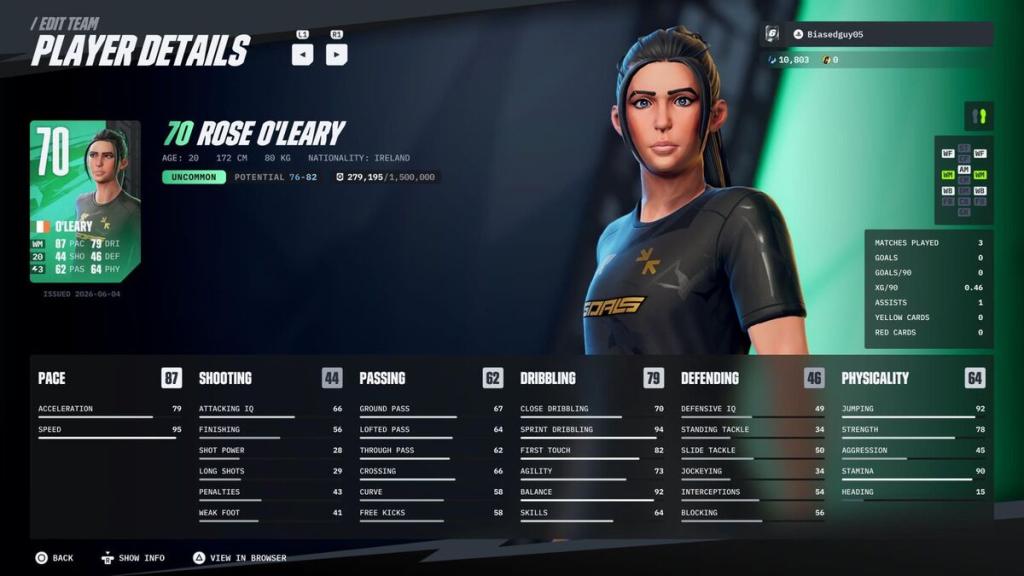
Use tools like match replays and stat overlays (available in many modern sports titles and mirrored in GOALS’ UI) to track which players actually improve game-to-game. If a forward repeatedly gains shooting boosts after upgrades, that’s data you can act on—start him more often.
Can players increase rarity in GOALS?
Yes. Upgrades can raise the card’s overall quality and occasionally move a player into a higher tier. Because rarity upgrades require more XP at higher levels, plan long stretches of play for candidates you want to promote—this is where patience pays like compound interest over seasons.
Age and retirement: players have a lifespan you must manage
Cards show an age number under their position. Players age with matches and will retire after a set amount of play. Younger-starting cards last longer; older cards give short-term value but expire sooner. If you build a core around young, high-training players, you’ll enjoy longer-term stability than chasing immediate boosts from older veterans.
How long do players take to retire in GOALS?
Retirement timing varies by the age stat and how often the card plays. There’s no single-match trigger; it’s cumulative. If you want a long-serving squad, prioritize players with lower age numbers and higher training values when you’re deciding who to keep from your initial packs on Steam, PlayStation, or Xbox.
Practical plan: what I run in my squad and why
I keep a rotating core of young, high-training players and use older, high-rarity cards for short campaigns. You should keep cards that combine low starting age and training 5–8. Bench the rest, and give your bench minutes in lower-stakes matches so they still pick up XP without costing you competitive momentum.
Two things to watch every time you open a pack: the lightning number and the age. Those are the silent signals that predict long-term value better than rarity alone. If a card checks both boxes, slot them into your squad and let matches do the rest.
So which player in your squad are you going to commit to training first?