
I pried open a chest and a tiny diamond icon winked up at me. The timer started before I could name the weapon I needed. That three-second shrug—now you either sprint or you watch the mission vanish.
I’ve chased these drops across solos and trios, watched streamers clip their wins, and mapped the luck that separates a slog from a streak. You’ll get practical, tidy steps here—no fluff—so you stop treating Lost and Found quests like lucky rabbits’ feet and start treating them like predictable work.
How to get Lost and Found quests in Fortnite
Observation: In every match players swarm the same POIs; chests are the constant currency of that chaos.
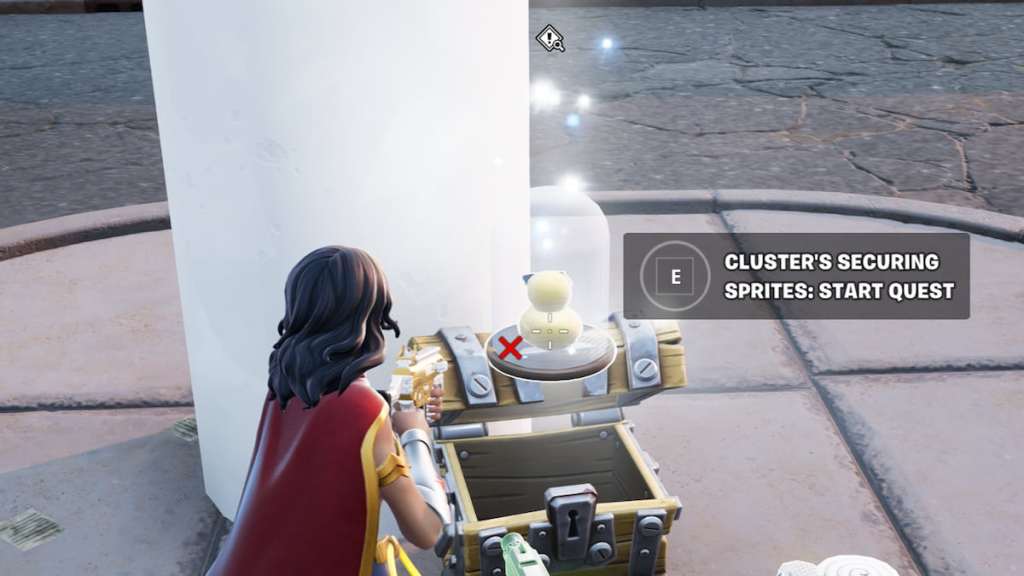
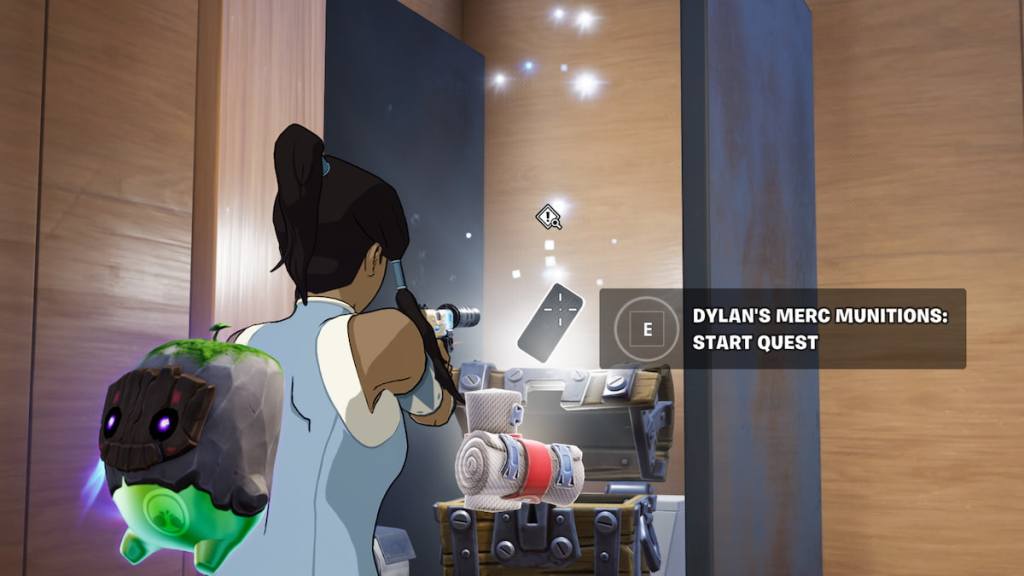
Lost and Found quests arrive the old-fashioned way: by opening chests. When you loot a chest there’s a chance a special item will drop. Those items shimmer with white sparkles and wear a diamond exclamation point — pick one up and a timed mission begins.
How do you get Lost and Found quests in Fortnite?
Chest loot is the only gateway. Open more chests to raise your odds: land in areas dense with containers, rotate through named POIs, and prioritize floors, basements, and supply drops. In squads you can split to search faster; in solos you need efficient routes.
Are Lost and Found quests timed?
Yes. Each item you interact with triggers a timed objective. Some quests have two short stages: a starter task (find and equip) and the main job (deal damage, travel distance, collect). That ticking clock is the pressure point.
Complete Lost and Found quests in Fortnite
Observation: I’ve finished ten of these the hard way and the easy way; the difference was how I spent my first two minutes on the drop.
The Season Seven task asks you to fully finish a total of ten Lost and Found quests. There’s no skill that guarantees drops; this is an endurance objective. Treat it like farming XP in other games: repetition and route efficiency beat sheer hope.
How many Lost and Found quests do you need to complete?
You need to finish ten individual Lost and Found missions to complete the battle pass requirement. Some will be quick—find a Sprite, run a short distance—while others demand accurate damage with a specific weapon. Keep score each match; split the goal across several games.
Common examples include Dylan’s Merc Munitions: Start, where you must equip a given weapon then deal a set amount of damage, and Cluster’s Securing Sprites: Start, which asks you to equip a Sprite and travel a distance before time runs out. Names pop up in the upper-left when the quest begins so you never wonder what the objective is.
Practical tips I use and recommend: land in zones with heavy chest spawns, learn two quick rotation routes per match, and stalk low-risk chests first. If you see a Sprite Chest, grab it—those often feed into Lost and Found chains. Watching creators on YouTube or Twitch (Epic Games streams and influencers like the long-time competitive players) can reveal route tweaks and timing tricks that shave seconds off your runs.
Don’t overcommit to a single quest item. If a timer is short and you don’t have the required weapon or space, bail and keep hunting; wasted time kills progress faster than a failed attempt. Think of RNG like finding a needle in a haystack, but with a metal detector—practice increases your signal.
I’ve said this to newer players on Discord and X/Twitter: stack your attempts. Make each match count by prioritizing chests over fights early, then pivot once you’re holding a quest item. Treat the timer like a second opponent—a stopwatch glued to your wrist—and you’ll stop losing quests to impatience.
Finish ten and the season task clears: then you can chase other missions—damaging opponents with style using Seven Sliders, tracking down Sprite Chests, investigating the Heatwave Harbor clue, or hunting Audio Logs. Which strategy will you use first to turn luck into routine?