
You open an email at 2 a.m., the subject line a single, breathless sentence: it happened to me. I click the link and the game drops you into a house that feels oddly familiar. I felt my pulse match the soundtrack—because the game insists these scenes come from real people.
I’ve played through Fears to Fathom, read the threads on Reddit, and traced the developer rayll’s notes. You should expect two things: crafted tension and deliberate ambiguity. That blend is what keeps you scrolling, and it’s why the “based on a true story” tag matters as much as the jump scares.
On film posters and Steam pages, “based on a true story” still sells — Marketing strategy
That tag is a marketing lever. The Blair Witch Project rewired audience belief in 1999, proving that a claim to truth makes fiction feel immediate; rayll borrows that muscle for a series of short, email-tinged episodes.
You send a horror message to a creator, or you read one on r/nosleep — the promise of a real confession flips the switch. Rayll then packages those confessions into playable vignettes, which compress anxiety into 5–20 minute loops that feel personal and urgent.
The developer’s call for submissions isn’t just sourcing ideas; it’s a social signal. Crowdsourced horror makes players look inward: did that creak in your hallway happen to someone you know? Marketing here is a slow-burning fuse that turns modest stories into tension machines.
Are Fears to Fathom stories real?
Short answer: no, not exactly. You’re reading a crafted retelling, not police archives.
Rayll markets every episode as “based” on true events, and that language is elastic. Names, dates, and locations get changed for privacy and pacing. Scenes are dramatized and compressed. The objective isn’t court testimony; it’s atmosphere. I still felt unsettled playing because the mechanics of fear—isolation, invasion, the uncanny—are human and believable.
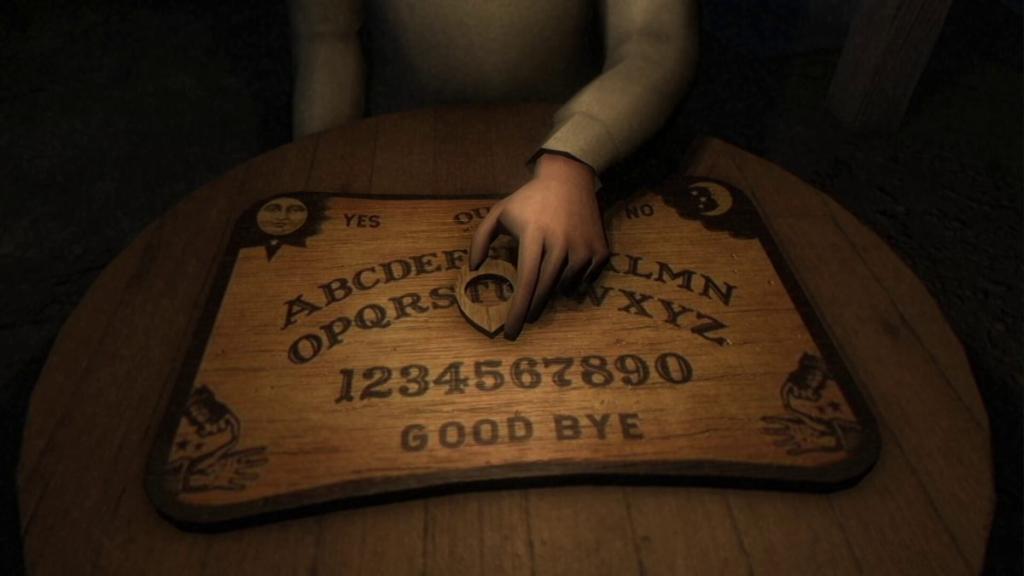
On news searches, absence is loud — Is Fears to Fathom based on true events?
I ran searches on reported crimes and couldn’t match the game’s episodes to verified cases. That doesn’t prove bad faith; it proves fiction shaped to feel real.
Take Norwood Hitchhike: set in 2010, it borrows the vibe of infamous serial cases without matching a single published file. If you Google the details, press coverage doesn’t line up with the game’s specifics. That pattern repeats across episodes—elements borrowed, timelines shifted, identities anonymized.
Is Fears to Fathom based on true events?
It’s inspired by true events and made into fiction. The line between inspiration and documentation is blurred by design.
Rayll likely pulls from emails, creepypasta, Reddit posts, and public reports—then fictionalizes them. References to cults, home invasion, and stalking echo real-world crimes but stop short of being traceable case studies. That gives the series room to be both plausible and narratively tight.
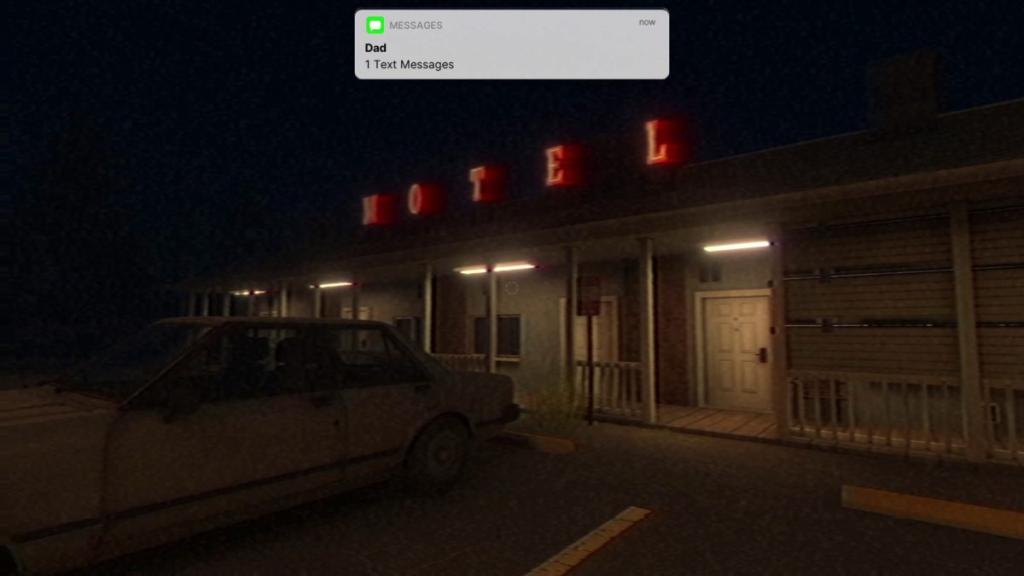
On release notes, threads stitch together — It’s all connected
I noticed a pattern: recurring cult symbols, names, and dates across episodes. That creates a shared universe.
The [Together] series explicitly links Ironbark Lookout and Scratch Creek to a single cult. Those connective threads are narrative choices—world-building rather than evidence of a real conspiracy. It makes the game feel like a small mythos you can explore, similar to serialized podcasts or Anton LaVey-era lore reimagined for hyperlocal horror.
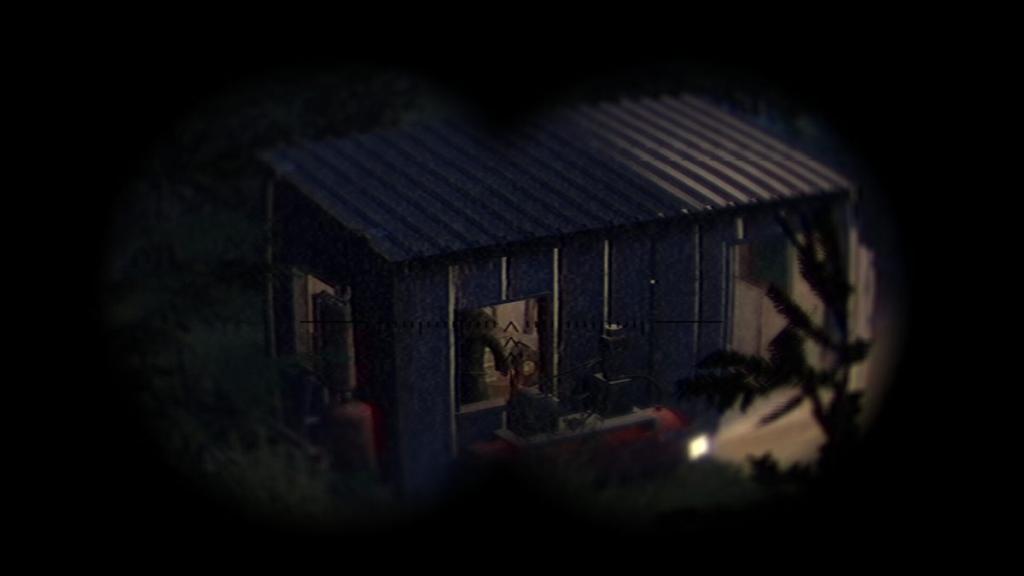
Where do the stories come from?
Emails, Reddit threads, creepypasta, and the broader horror ecosystem—YouTube narrators like Mr. Nightmare included—feed the well.
Rayll has openly invited submissions; r/nosleep is an obvious source because it behaves like an asynchronous campfire. Creators on YouTube, like Mr. Nightmare, have cataloged “true” subscriber tales for years and perform a similar transformation from private fright to public narrative. The game lives in that same pipeline.
On small, uncanny details, the game nails believability — Fears to Fathom feels real, even if it isn’t
You’ll forgive a teleporting intruder or a perfectly timed whisper because the rest taps a nerve. I felt that: a few impossible beats, surrounded by believable clutter.
The series trades documentary rigor for emotional truth. It stitches banal, everyday fears—house-sitting, late-night drives, a knock on the wrong door—into scenarios that escalate until your stomach tightens. The result is like a cracked mirror that makes ordinary reflections dangerous and uncanny.
That psychological mimicry is why the series works. You suspect fiction, but your body answers like it’s real.
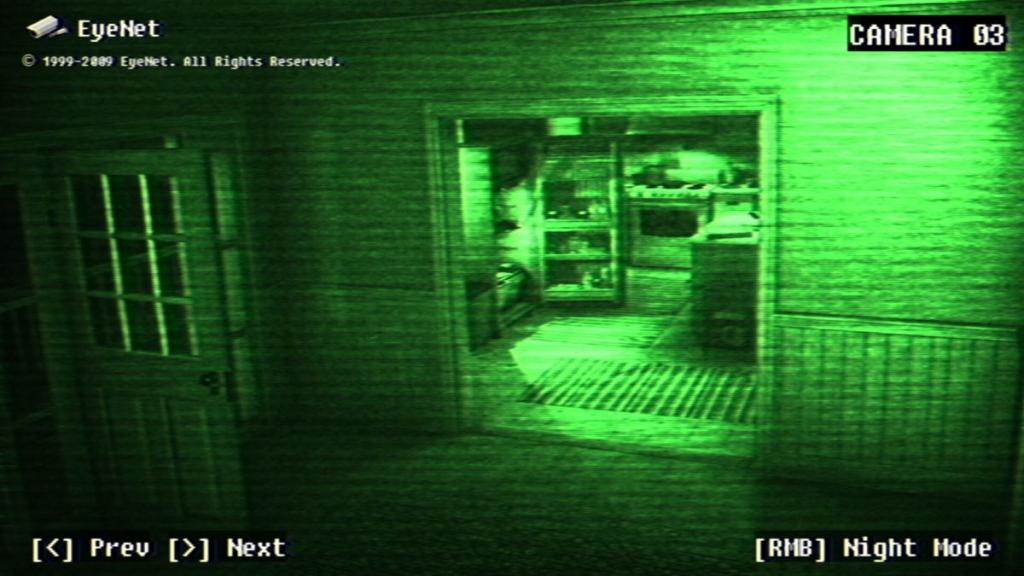
You can treat Fears to Fathom two ways: as an exercise in short-form psychological horror or as an experiment in social storytelling. I pay attention to both the craft and the cues—marketing, sourcing, and narrative stitching. If you want to hunt the truth, use Google, news archives, Reddit, and YouTube channels that compile first-person accounts; you’ll usually find fiction where the game claims fact.
So what matters to you as a player? The tension, the honesty of small details, the way a line of text from an anonymous sender can feel like a threat at your door. If the thread between truth and fiction is this thin, who decides how credible your fear is?