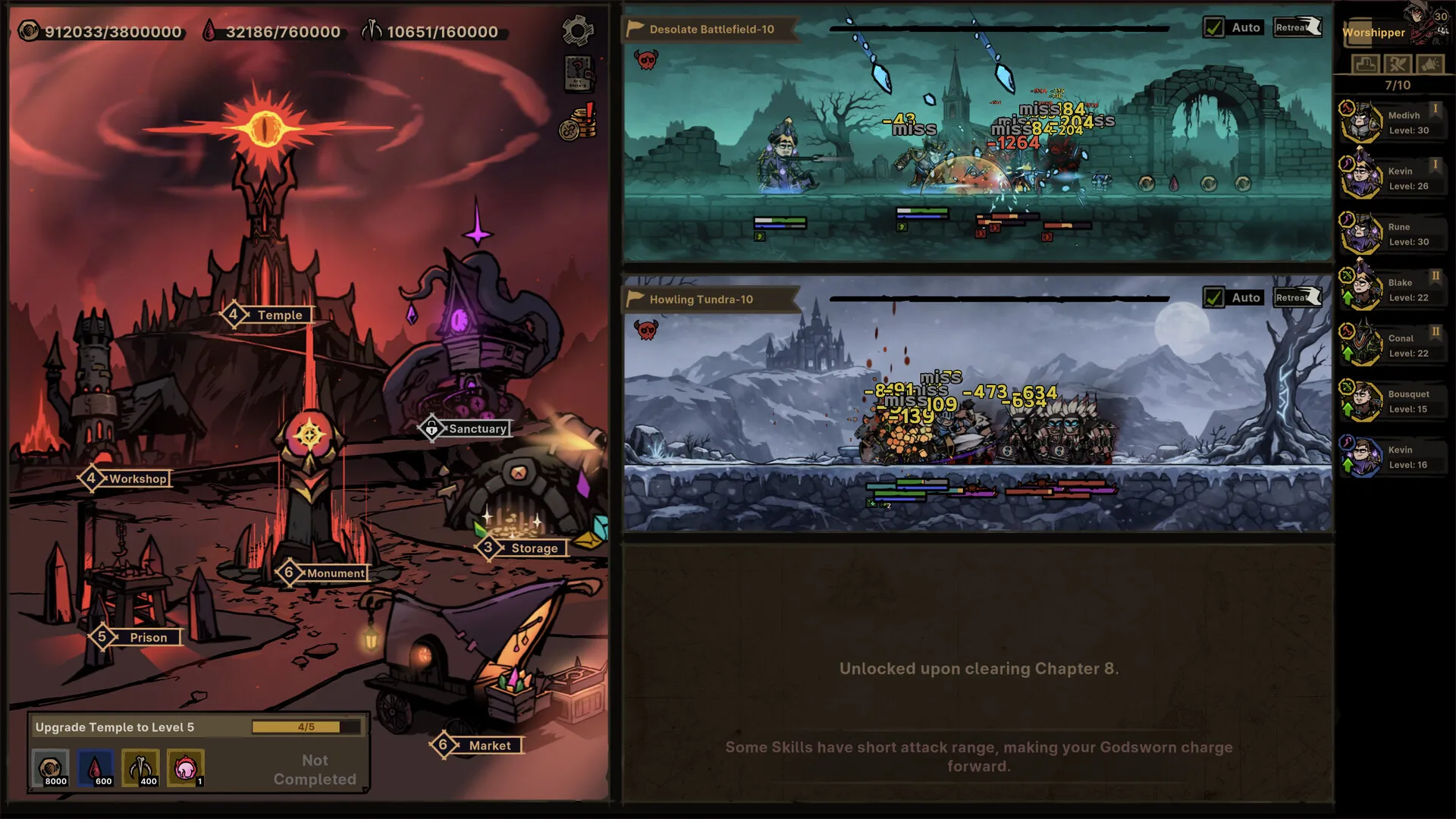
The boss bar hit half and my team stalled—damage numbers flatlining while cooldowns blinked useless. I felt every resource slip away; the run turned into a sieve, advantages leaking through without a plan. I learned fast: knowing which class to pick is the difference between a highlight clip and a wipe.
I’ve played dozens of runs, tested builds on Steam and watched spreadsheets from Discord theorycrafters, so I’ll tell you what works and what wastes time. You and I will cut through the noise: short recommendations, build notes, and the one tradeoff to watch for each class.
In weekend raids I noticed teams collapse when healing lagged—Complete Path of Idle: Old Gods Rising class tier list
Path of Idle masks tension behind automated combat, but the strategic weight is all on your roster choices. No class is permanently useless; some simply carry more leeway when you’re choosing talents, gear, and synergies. Below I split the six classes into S, A, and B tiers so you can draft a team that survives the late waves.
Which classes are best in Path of Idle: Old Gods Rising?
If you want an immediate answer: prioritize sustain and flexibility. S-tier options cover those bases, A-tier gives you strong alternatives with specific pairings, and B-tier needs targeted team support to shine. I’ll show you why each class sits where it does, and how to make them sing on Steam ($9.99 (€10) for reference) or on mobile.

S-tier
- Cleric: The Cleric is the axis every reliable comp spins around. Alone the class won’t carry; inside a team he is a force-multiplier—heals, steady buffs, and targeted DPS increases that make your other picks scale. Think of the Cleric as a lighthouse in a blackout: invest in sustain talents first, then add offensive auras. For builds, take sustained-heal talents, target crit-buff nodes, and stack gear that extends buff durations. Cleric pairs best with burst Mages or any summon-heavy Warrior.
- Warrior: The Warrior offers hardiness and the best utility: summons. Those add-ons let you stretch one slot into multiple, making up for the roster limits the game imposes. You can tank, hybrid into damage, or lean summon-heavy for attrition fights. Prioritize summon power and survivability—Hybrid builds that split between damage and defense are forgiving for new players, and advanced players can tune for pure threat control.
A-tier
- Mage: Ranged damage is slightly fragile early, but the Mage is the easiest to pilot for consistent results thanks to predictable elemental AoE. Enemies stack often, so a well-chosen AoE route clears waves fast. I lean Mage when I want straightforward scaling: focus on one element, max AoE effectiveness, and shore up defenses with gear that raises health or resistances.
- Priest: The Priest is the most fiddly and the most rewarding when built right. It’s a melee caster hybrid with freedom to specialize; Bone Chill-style talent trees turn the class into a secondary DPS and crowd-control anchor. If you enjoy tweaking talent synergies and pairing buffs, the Priest climbs into S-tier in the right lineup—just expect a steeper learning curve.
Should I build a Cleric or a Warrior first?
Short answer: if you’re aiming for steady progression, get a Cleric. If you want flexible solo runs and chaotic comps, grab a Warrior. Start with Cleric for raid reliability; pick Warrior if you prefer bootstrap summons and adaptive play. Watch community channels on Discord and Twitch for talent screenshots and live builds from creators who post their loadouts.
B-tier
- Hunter: The Hunter is the classic archer: solid single-target and decent range, but less flexible than Mage in AoE-heavy encounters. Use the Hunter when you need focused DPS and pair them with Cleric buffs or Warriors who can supply crowd control. On paper they’re fine; in practice they require a team built around their strengths.
As of this write-up I haven’t fully tested the Mercenary class—expect a follow-up once I’ve stress-tested its talent trees and gear synergies. I’ll publish raw builds and damage logs to Discord and link them on Reddit so you can copy and critique in real-time.
Whether you’re theorycrafting with spreadsheets, watching streamers on Twitch, or testing in App Store/Google Play builds, your class choices determine how forgiving the game is. The smart comp gives you margin for error—what are you willing to gamble your run on?