
The loan approval screen flashes and my pulse tightens—this one decision will decide whether my fledgling business dies on a curb or takes off. You stand over a storefront with a blinking “For Rent” sign and five figures you don’t yet have. I learned fast that clever choices in week one make the rest of the game feel inevitable.
I write this as someone who has tested the grind and the shortcuts. I’m going to walk you through a repeatable opening that turns a shaky start into steady income, then into free time to scale. It’s slightly boring, yes, but it works, and it turns you into cash flow that draws customers like a magnet for cash.
Downtown storefronts crowd the sidewalks, and the rents reflect it: How to get the best start in Big Ambitions
Your target is obvious: have between $40,000–$50,000 (€37,200–€46,500) on hand before you commit to big leases. You won’t begin with that, and the temptation is to chase flashy investments. Don’t. The reliable route is to borrow smart and place your bets where the math is simple.
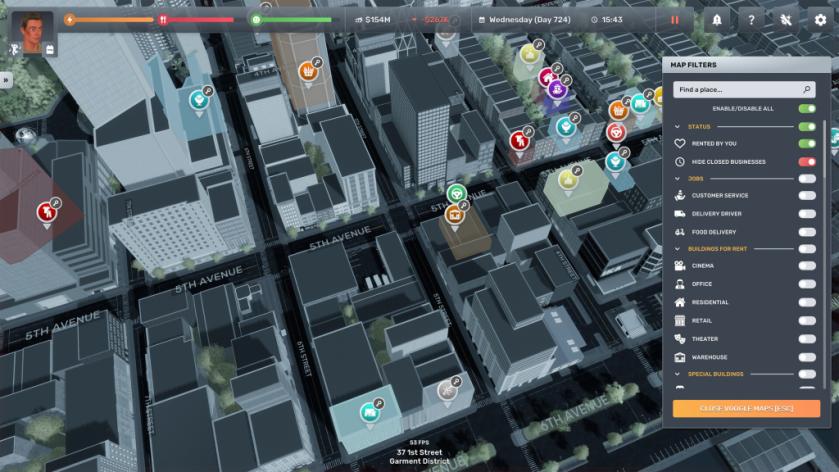
Step one: get a loan. If the game refuses at first, punch a clock for a few days at any job and the option appears. Once you have the cash, rent a retail shop with at least 30 customer slots in a high-traffic area. Reserve the remainder for a gym—small, 24/7, and varied rather than flashy.
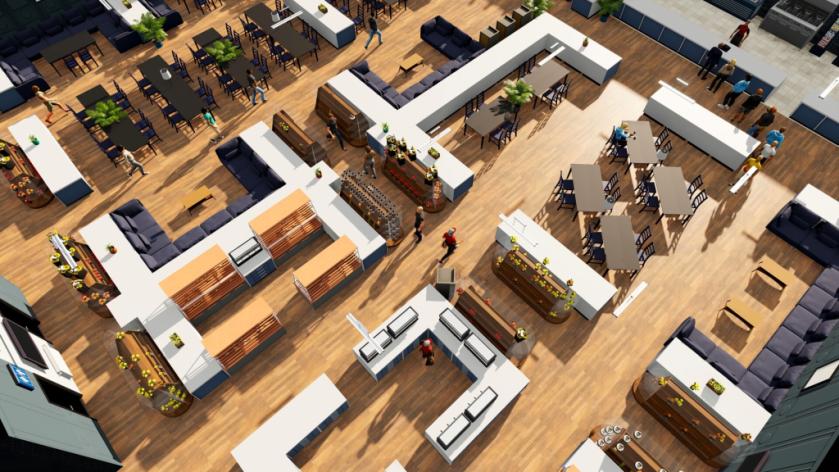
Why retail first? Retail brings steady per-customer income and requires far less micromanagement than other businesses early on. Pick a location with built-in footfall and keep overhead low—basic shelving, a handful of staff, and marketing via in-game ads will move inventory without constant babysitting.
How do I get money fast in Big Ambitions?
Short answer: qualify for a loan, then use it. If your stats won’t pass the lender’s check, work a few shifts. After that, buy a high-capacity retail store and a cheap gym. The retail shop gives immediate revenue; the gym compounds value over time because memberships and classes stack without hourly input.
Hire staff conservatively: start with four cleaners and four trainers. Keep shifts to six hours and run the gym 24/7. Schedule rotations so no hour is uncovered—this rotation should hum like a Swiss watch and prevents complaint spikes that kill reputation and income.
Should I open a gym or retail shop first?
Open both when your loan allows, but prioritize a large retail shop if you only have funds for one property. Retail stabilizes cash flow; the gym is the growth engine. Aim for variety over premium machines at first—customers complain less when they can choose, and diversity is the fastest path to steady membership revenue.
Practical tips: use Steam for community guides and mods, follow Hovgaard Games announcements for balance changes, and read outlets like Moyens I/O for early meta shifts. If you track your numbers, tools like a simple spreadsheet or bookkeeping app will show which locations and staff mixes actually hit profit targets.
This start builds a self-sustaining pair: retail pays the bills, the gym grows brand and passive income, and both need surprisingly little day-to-day attention after you set contracts and shifts. It’s boring to set up, but boring works.
Which first move will you make when the rent sign goes live and the loan pops up—risk the flashy or play the steady builder and test whose strategy the city rewards?