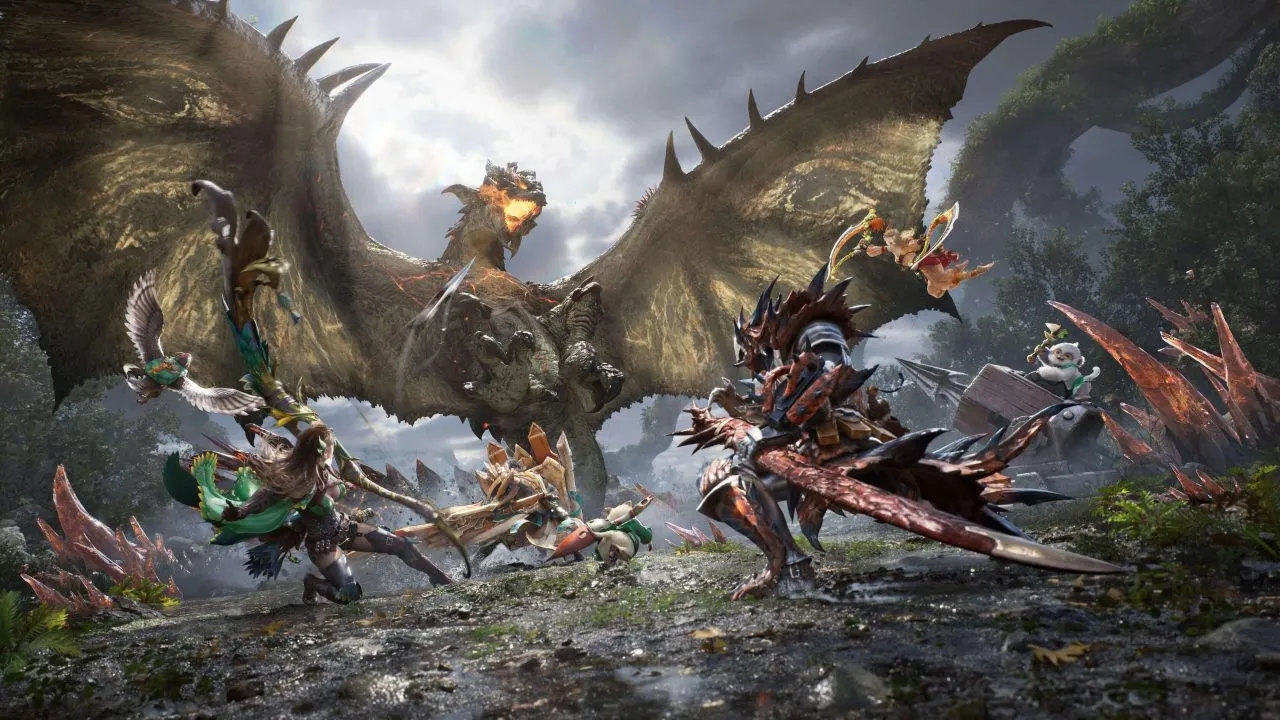
I swallowed a wrong parry and watched the monster reset its posture—our only healer went down. I closed the stream, checked my loadout, and realized the weapon choice was the moment that lost the hunt. You don’t need perfect aim to win; you need the right tool and a plan that doesn’t crumble under pressure.
I’ve hunted with dozens of players on Steam, Capcom events, and mid-tier mobile squads on Android and iOS. I’ll tell you which weapons actually change outcomes, which ones demand practice, and where a single slot swap can flip a boss fight from slog to highlight reel. Read this like a field guide from someone who’s tested every theory on Twitch and Discord servers.
Complete Monster Hunter Outlanders weapons tier list
At a local café I watched a solo player clear a boss with a single weapon swap and a calm head; the room applauded. That scene shows the divide: some weapons win fights by making you better, others require you to be flawless. Below I sort the eight weapon types into three tiers, explain why each weapon sits where it does, and point out the small habits that make them sing.
I rank weapons in three tiers so you can prioritize slot choices and builds quickly:
- S-tier — high impact, forgiving play patterns, game-changing in boss and clear runs.
- A-tier — strong picks that demand the right build or positioning to shine.
- B-tier — niche or defensive options that work in specific setups.
S-tier
| Weapon | Reason |
|---|---|
| Long Sword | The Long Sword is fast, mobile, and forgiving—Foresight Slash gives a parry window that buys beginners critical breathing room. Its damage scales smoothly with timing, and the safety it provides makes it a reliable anchor for any squad. The Long Sword cuts through fights like a razor through silk. |
| Charge Blade | Currently tied to the Fated Adventurer, the Charge Blade delivers massive burst damage and area clearance. With the right switch-axe timing and shield guard play, you can collapse boss phases in seconds; it performs exceptionally well on timed hunts. The Charge Blade is a freight train of damage when handled correctly. |
| Great Sword | High learning curve but enormous payoff—one well-timed charged hit shifts the entire tempo of a battle. Its Unwavering trait lets you tank through a hit and still land crippling blows, making it the go-to for deliberate, surgical plays. |
A-tier
| Weapon | Reason |
|---|---|
| Heavy Bowgun | Excellent for consistent ranged damage and team support—choose Normal or Slicing ammo depending on the target. Recent beta nerfs trimmed its ceiling, but it remains a primary choice for distance control and sustained DPS. |
| Bow | Reliable for mobile, hit-and-run play: position, fire, dodge, repeat. If you can hold your ground and maintain spacing, the Bow rewards patience with steady damage and utility. |
| Dual Blades | Aggression-focused: constant pressure and speed let you punish openings repeatedly. It demands close proximity but yields large DPS windows in skilled hands. |
| Hammer | Unique for stun application—if your team needs to chain-threatening crowd control or interrupt setups, Hammer is indispensable. Its utility elevates it beyond raw numbers in specific encounters. |
B-tier
The Lance sits here: excellent at defense and single-target guards, but its offensive rhythms are limited in many scenarios. If you want a playstyle that prioritizes survival and walling damage for a team, it’s solid; if you want fast clears or flexible positioning, it will feel slow.
What is the best weapon in Monster Hunter Outlanders?
If you ask community leaders on Discord or watch high-rank creators on YouTube and Twitch, the consensus tilts to Long Sword, Charge Blade, and Great Sword for different reasons. Long Sword covers consistency, Charge Blade offers explosive clears, and Great Sword gives single-hit turning power. Pick by role: solo clear, burst DPS, or controlled heavy-hitting.
Which weapon is easiest for beginners?
I tell new players to start with the Long Sword. It softens mistakes with Foresight Slash and teaches spacing and timing without harsh penalties. You’ll learn fundamentals that carry over to other weapons, which speeds up climb on Steam and mobile leaderboards.
Is the Lance worth using in Monster Hunter Outlanders?
Yes—if your goal is defense-first play or anchoring a team against heavy hitters. It’s less valuable for speedruns or aggressive clears, but in squad compositions that need a steady wall, Lance does the job better than most.
I’ve tested these builds across PC, console write-ups, and mobile patches; balancing shifts can nudge a weapon up or down a tier, so track patch notes from Capcom, community spreadsheets on Google Sheets, and meta discussions on Reddit and Discord. Will your next weapon swap be the one that turns losses into highlight clips?