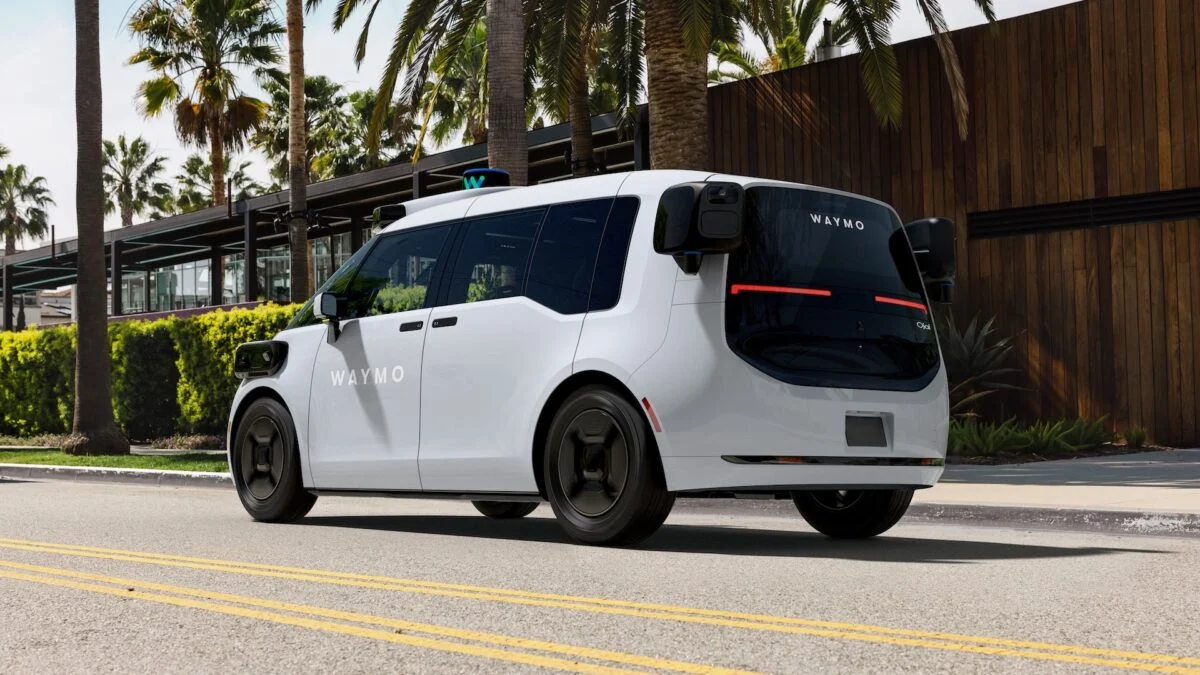
I remember the first time I climbed into a robotaxi and watched a street I knew by sight behave as if it had new rules. You notice how your throat tightens when the wheel stays still. For a few minutes the city felt both familiar and oddly unmoored.
I watched a Waymo slide past a newsstand on a Tuesday morning. Most Americans Believe Driverless Cars Are Coming—for Everyone Else
I’ve ridden in one; you probably haven’t. Gallup’s latest poll finds that belief and desire are decoupling: 31% of Americans now say fully driverless cars will be common in the U.S. within five years, up from 19% in 2018. Another 34% expect them in six to ten years, so the timeline is shifting forward even if personal interest isn’t.
When will driverless cars be common?
If you’re charting arrival dates, listen to the people who watch people: nearly one-third of respondents think the technology will be widespread in five years. That optimism tracks with what companies are doing—Waymo is operating robotaxi rides in 11 cities (San Francisco, Los Angeles, Phoenix, Miami, Austin and others), and Uber is partnering with Rivian and Lucid while planning big infrastructure moves, including a $100,000,000 (€92,000,000) investment in charging hubs built for autonomous fleets.
I saw an attendant step out of an autonomous vehicle to check a sensor. Why most of us still won’t buy one
You hear the marketing and you see the pilots; I see the reality checks. Gallup asked whether Americans would be likely to own or lease a self-driving car in the next 20 years. Only 19% said yes. That gap—expecting the technology but not wanting it in your driveway—feels like two separate futures running in parallel.
Will I own a self-driving car?
Short answer: probably not, at least not soon. Adoption looks concentrated among higher-income and more-educated people: about 25% of households earning more than $100,000 a year say they’d likely own or lease one, versus 15% of households under $50,000. College graduates register interest at 24%, non-graduates at 16%. Americans of color reported slightly higher openness (24%) than white respondents (16%).
Industry players keep pushing the envelope—Tesla, Mercedes-Benz, and Ford sell partially automated systems that still require human oversight—while Waymo, Zoox, and Cruise scale robotaxi footprints. Yet only about one in ten Americans report they’ve ever ridden in a driverless car. The technology is arriving, but your neighbor’s garage is not the first stop.
I watched a collision-avoidance demo and felt my skepticism sharpen. Why safety is the emotional brake
Fear sits in the passenger seat. Gallup asked whether roads would be safer if every vehicle were fully driverless; just 6% agreed. That lack of confidence is a major friction point for voluntary ownership.
Are driverless cars safe?
Data from trials and pilots show potential for fewer human-error crashes, but every headline about a failure magnifies public doubt. You and I both know safety isn’t just technical performance; it’s trust, insurance, regulation, and the stories people tell one another after an incident.
Adoption is moving like a slow tide, nudging robotaxis into new neighborhoods while leaving privately owned vehicles largely unchanged. For companies such as Waymo and Uber, success looks like fleets, charging networks, and partnerships with EV makers—not mass consumer purchases. For automakers like Tesla and Ford, the bet is on selling advanced driver-assist features that keep the human in the loop.
I’ve ridden in the future and I’ve taken notes; you will make your own decision when the option arrives at your curb. Will you let a computer steer your family home?