I was standing with you in a cramped community center as a neighbor named Rosa described the diesel hum and blinking towers rising behind her row of houses. You could feel the room tilt when someone muttered, “They’re spying on us,” and the local cop in the back made a note. In that instant it stopped being a zoning fight and started to look like evidence.
One fusion-center memo lists town-hall complaints as potential threats
I’ve read the pages Wired obtained, and they don’t read like fiction. The Department of Homeland Security, FBI and state fusion centers have compiled more than 1,000 pages that reframe ordinary protests and anti-AI chatter as a possible pathway to “anti-tech violent extremism.”
That phrase barely exists in public DHS or FBI histories, but it’s showing up in local briefs: residents objecting to new Equinix or Digital Realty data centers; programmers angry at OpenAI and Google DeepMind product roadmaps; small activist groups organizing online. The New York Intelligence and Counterterrorism Bureau even warned that the chaos around emergent AI could fuel large-scale protests and civil unrest within five years.
What does “anti-tech violent extremism” mean?
It’s a label that bundles a wide range of behavior — from alleged violent plots, like the Ziz LaSota case, to heated public meetings where people complain about data-center permits. The danger is not just literal violence but the way the term lets agencies treat dissent as potential criminality. I want you to notice how quickly legitimate civic pressure can be folded into a security narrative.
A White House favoring industry complicates the picture
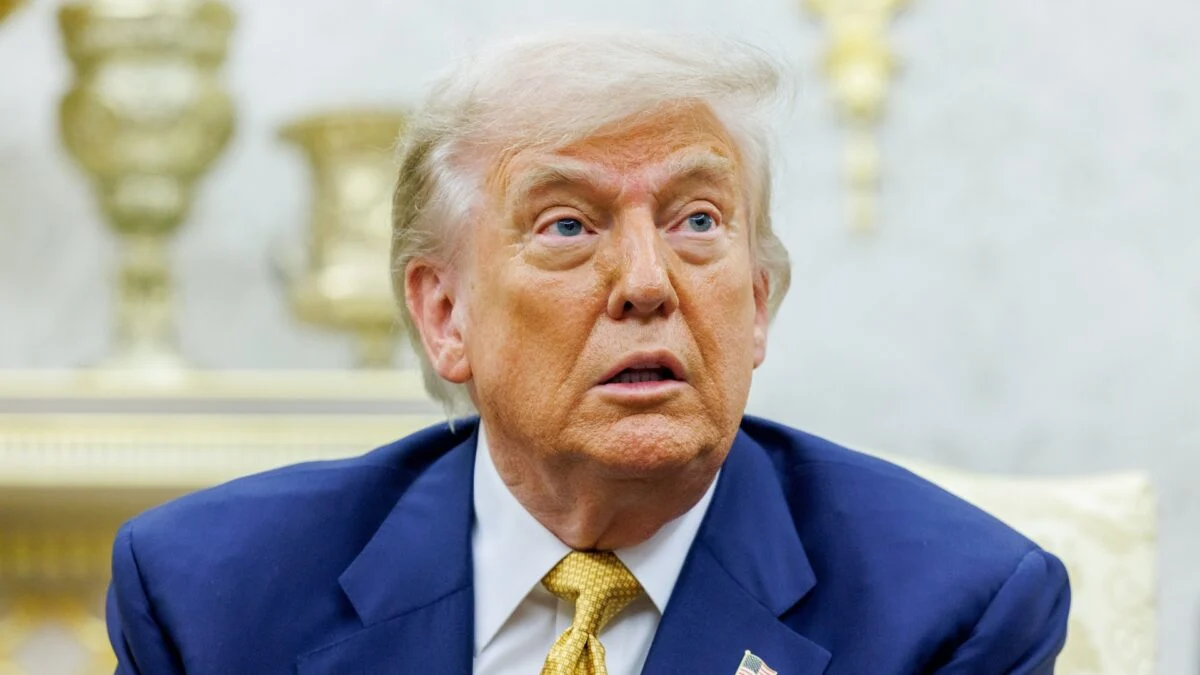
President Donald Trump’s administration has pressed for light-touch AI policy while publicly championing the tech sector.
You’ll remember the December executive order that pushed back against state-level AI rules and the more recent decision not to sign a proposal that would have given the federal government early access to frontier models up to 90 days before release. At the same time, the administration’s National Security Presidential Memorandum 7 directs federal law-enforcement resources toward political violence linked to what it calls “anti-Americanism” and “anti-capitalism.” That political posture creates a matching frame for law enforcement to watch anti-AI organizing more closely.
The FBI and DHS are watching protests and online threads
On the ground, fusion centers are cataloging everything from Reddit threads and Discord channels to budget committee comments.
Consider how surveillance tools built for counterterrorism can be repurposed: social-listening software, cell-site analysis, and sentiment flags that once tracked organized violent groups are now trained on online criticism of Microsoft, AWS, and other cloud providers. The effect is subtle but real — public complaint can trigger the same alerts as explicit threats, and the line between civic pressure and criminal suspicion narrows like a pressure cooker.
Can law enforcement surveil anti-AI protests?
They can, legally and technically, especially when a protest is framed as a potential threat to critical infrastructure. The FBI told Gizmodo it investigates people who commit or intend to commit federally criminal acts. That sounds narrow, but the new documents show local fusion centers are passing up reports that never rise to federal crimes but nonetheless appear in intelligence logs.
One high-profile case and many low-level alerts
There is at least one violent outlier: allegedly violent actors with anti-AI ideologies are real and have been charged in serious crimes.
Yet the same files track mundane opposition: citizens upset about energy usage, truck traffic, and tax incentives for data centers. When agencies group those town-hall complaints and fringe murder cases together, it creates momentum for surveillance and enforcement that reaches into ordinary civic life — a metal detector sweeping a crowd for no specific reason but because someone was nervous.
The Wired reporting raises another question about authority cues: who decides what’s extremist? You should note the players shaping that decision — the FBI, DHS, local fusion centers, plus a White House policy team and figures like Sebastian Gorka who have publicly categorized left-wing violence alongside narcoterrorists and Islamist terrorists. Even Pope Leo XIV’s rare encyclical calling for AI to be “disarmed” feeds public anxiety and gives politicians cover to act.
What this means for citizens and activists
People are organizing against technology for many reasons: labor, environment, democracy, neighborhood impacts. When the state frames those grievances as potential terrorism, the tools of national security—surveillance, predictive flags, interagency databases—slide into local civic spaces.
I advise you to pay attention to how your city’s police, local fusion center, or utility regulators log objections. Watch which platforms activists use — Twitter/X, Mastodon, Discord, Signal — and how public records requests or meeting minutes are cited in intelligence products. That trail shows how protest becomes intelligence.
The debate isn’t academic: it will determine whether tech companies like OpenAI and Microsoft face more scrutiny, whether data center firms such as Equinix see increased security partnerships, and whether your next neighborhood meeting gets cataloged in a federal database. Who gets labeled a threat, and who gets to decide, will shape public life for years to come. Are we prepared to trade those civic spaces for the promise of safer infrastructure?