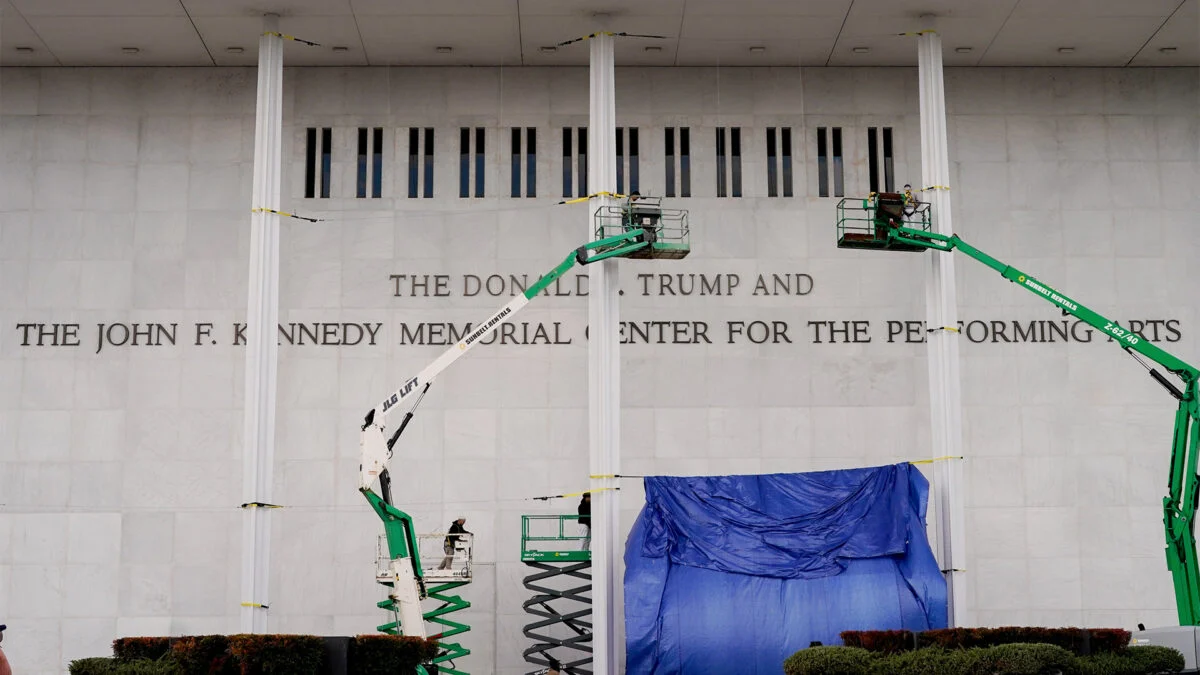
When I refreshed the Kennedy Center homepage this morning the name plate had already been changed back. You could feel the weight of the decision in that small, clean act. For a moment the drama of a presidency felt reducible to a single line of text.
I’ll walk you through what happened, why a federal judge stepped in, and what it means next — without the theater of outrage. You’ll get the legal beats, the players, and the cultural fallout in a pace meant for reading between meetings or before the next notification pulls you away.
On a late May morning the Kennedy Center’s facade read its original name — the court said the rebrand was unlawful.
U.S. District Judge Christopher Cooper ordered the performing arts center to revert to its formal designation by June 12, and the web team moved fast enough to comply. The center’s vice president of public relations, Roma Daravi, told the AP they are following the ruling while “evaluating all legal options” to preserve what the board called a “revitalization.”
Judge Cooper didn’t mince words: the center’s organic statute binds its formal name to President John F. Kennedy, not any later presidential vanity projects. The ruling also blocked a proposed two-year shutdown for renovations that the packed-with-loyalists board had proposed after adding the President’s name ahead of Kennedy’s.
Why did the Kennedy Center add Trump’s name?
The new board — installed last year after President Trump appointed himself chairman and dismissed the existing trustees — voted unanimously to place his name on the building, even placing it before Kennedy’s. The move was immediate, messy, and political: appointees included Pam Bondi, Laura Ingraham, Usha Vance, Dan Scavino, and Lee Greenwood. Performers and presenters canceled shows in protest, and the center’s credibility frayed.
You can still feel the haste in the rebrand — the takeover was surgical and public-facing.
The replacement of the board was an institutional power play. I watched the calendar clear and the invitations shift; what had been a space for national arts suddenly read like a campaign billboard. The decision to rename the building was rushed and unilateral, and opponents litigated that haste into a legal undoing.
The board’s gambit extended beyond signage. They tried to close the center for two years to carry out renovations that critics said would cement the change. That plan triggered more resignations from artists and institutions and left the center looking like a house of cards.
What did the judge order regarding the Kennedy Center?
Judge Cooper ordered the removal of the President’s name from all public-facing branding — signage, letterheads, email signatures and the website — and blocked the extended closure. The ruling rested on statutory language: Congress set the center’s name; the board doesn’t get to rewrite that.
On screens and court dockets the clash kept widening — this is as much theatrical as it is legal.
You’ll see the cultural angles on CNN, the legal filings on Politico, and the PR statements on the AP feed. The Department of Justice and White House lawyers have already taken positions that test the boundaries of presidential authority — a showdown that ended up in an appeals courtroom where DOJ attorneys argued certain executive actions might be beyond judicial reach.
The center has restored “The Kennedy Center” on its site today and replaced branded materials. But performances and programming signals have shifted too: upcoming events include a Mark Twain Award ceremony that will stream on Netflix and feature figures who have been both defended and denounced in public debate.
Will the Kennedy Center remove Trump’s name permanently?
That is uncertain. The board can appeal, and the White House has threatened to fight decisions it dislikes on social platforms like Truth Social. For now, court orders have forced a rollback; whether a future panel or political maneuver restores the change depends on litigation and political pressure from figures on both sides.
I’ve been covering institutional takeovers for years, and I’ll tell you this: when power moves occur without broad buy-in, the backlash gathers speed. The Kennedy Center episode is a reminder that institutions have legal backstops and social optics that can undo even the most aggressive rebrands.
If the stage can be renamed overnight, and then renamed back by a judge, what does that say about permanence and power in our public life — and who gets to decide the next act?