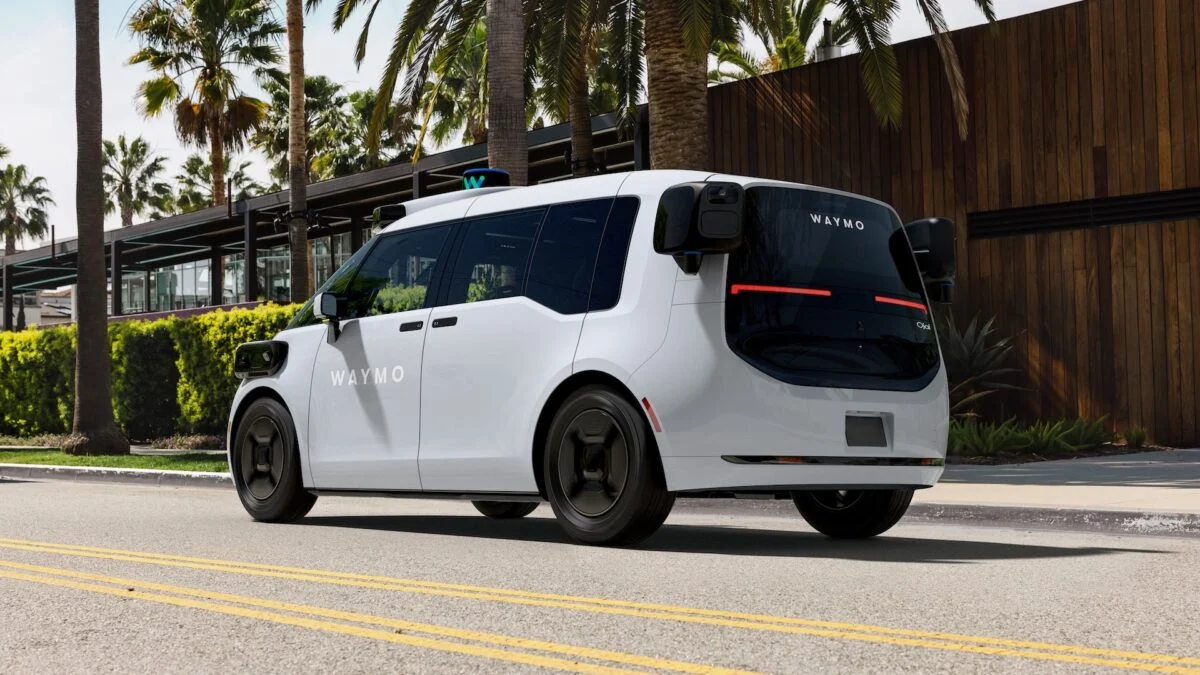
The ramp sign blinked red. Cones funneled traffic; a Waymo robotaxi threaded past and kept going at freeway speed into an active construction zone. I remember reading the NHTSA report and feeling that cold, small shock you get when technology slips.
I’ve tracked AV recalls long enough to know that small failures can feel huge in public view. You should care because this is where policy, public trust, and chemistry between human and machine all fray at once.
A Waymo vehicle crossed a closed ramp into a construction zone.
Waymo told regulators and the public it found a software behavior that, under certain conditions, lets its driverless cars enter closed freeway construction areas while still moving at speed. The company filed a voluntary recall with the NHTSA for 3,871 units of its fifth-generation Waymo Driver after several incidents in Phoenix and the San Francisco Bay Area.
The NHTSA report says the systems can inappropriately prioritize avoiding other freeway hazards or fail to recognize construction zones. For now, Waymo has restricted the affected vehicles from freeway operation while engineers build a software fix.
Why did Waymo recall its robotaxis?
Because several real-world episodes exposed a consistent failure mode: cones, signs, and ramp-closure markers were ignored. In Phoenix, five vehicles reportedly bypassed ramp-closure signs into planned work zones; in the Bay Area, seven vehicles drove between cones into active work lanes. Waymo flagged the pattern and told NHTSA it will push a software update to improve construction-zone detection.
Cones and barricades were treated as negotiable by the AV stack.
Those incidents read like test cases for edge behavior. When an AV selects how to respond to competing hazards, a wrong priority order can make a closed lane look passable. The result is a mismatch between human intent—the crews’ safety plan—and the car’s decision tree.
I’ll say plainly: this problem is small in scale but big in meaning. It’s the equivalent of a hairline crack in a dam; the failure point is narrow, but the downstream consequences are obvious.
How many Waymo vehicles were recalled?
The recall covers 3,871 Waymo Driver systems. Waymo describes them as fifth-generation software units; the company voluntarily pulled freeway access for these vehicles while the fix is developed and tested with regulators.
Waymo is growing its footprint even as it patches software behavior.
Waymo’s service area now spans roughly 1,400 square miles across 11 cities—bigger than Rhode Island’s ~1,200 square miles—and the company is scaling production at a Phoenix-area factory toward tens of thousands of vehicles a year. Alphabet’s robotaxi arm also bought the 5,500-acre proving ground that Apple once used for Project Titan tests.
All of that expansion increases the number of edge cases the fleet will encounter. Waymo is advertising safety—its recent national ad claims the Waymo Driver is 10 times safer than a human driver in its operating cities—but the recall shows how rare conditions can still trip a system. The ad even ran during the FIFA World Cup match on Fox, an unmistakable signal that Waymo wants mainstream trust as it scales.
The dynamic here is simple: rapid coverage growth plus real-world variety equals more surprising failures. You can think of the system like a carefully tuned orchestra; one instrument out of tune shifts the whole piece.
Is it safe to ride in a Waymo robotaxi?
Safety is not binary. Waymo points to its internal metrics and the 10x claim in its marketing; regulators point to specific incidents and open probes, including an earlier NHTSA inquiry into a January collision near a Santa Monica elementary school. The company has previously recalled vehicles after software errors led cars into flooded roads and past stopped school buses.
My take: if you avoid freeway trips in affected zones, the immediate risk is reduced—Waymo has restricted freeway operations—and the company is actively issuing software patches. But these recalls highlight how edge-case behaviors affect trust faster than engineers can patch code.
Regulators and engineers now have to close a narrow but critical gap.
Waymo notified state and federal regulators, voluntarily restricted freeway access, and filed the recall while it builds a detection fix. The NHTSA bulletin and Waymo’s own report show the company treating the issue as software behavior rather than hardware failure, which is good news for rollouts—software can be updated fleetwide—yet it still requires painstaking validation.
Alphabet’s position as the prominent robotaxi leader puts this under a public microscope. Rivals like Cruise and legacy automakers are watching. So are policymakers, cities, and everyday passengers who will judge AVs less by their overall safety stats and more by how they handle obvious, visible hazards like cones and signs.
I’ll leave you with a choice: when a car admits it missed a sign, will you trust its next apology?