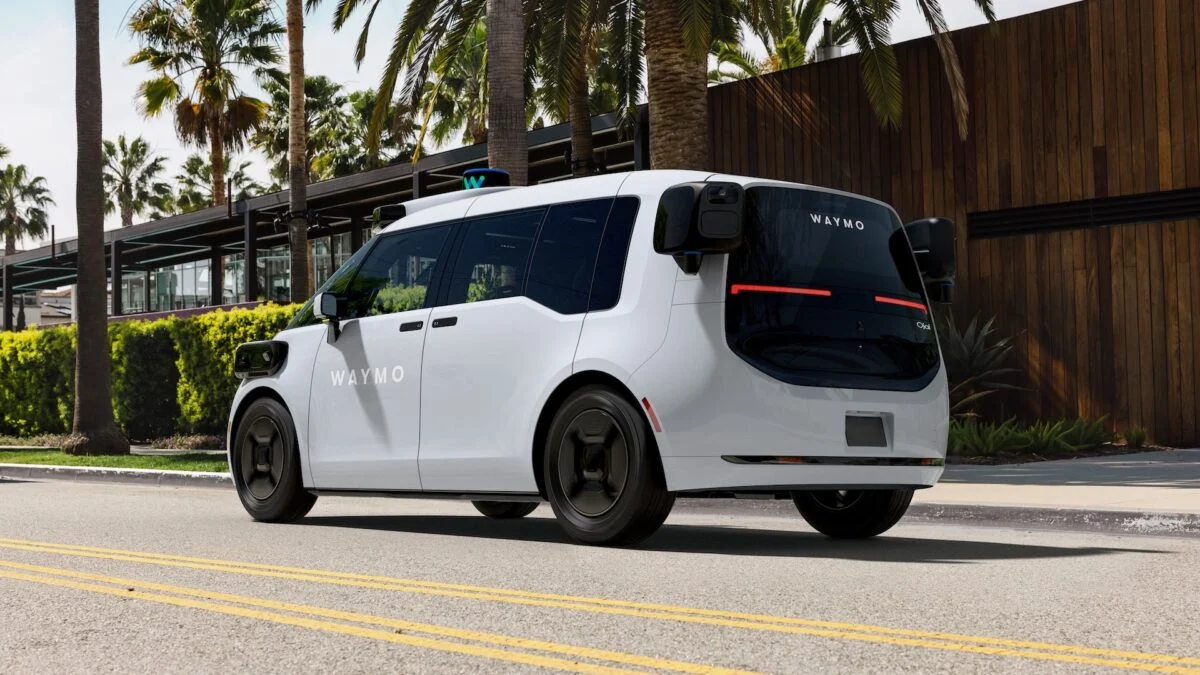
I watched an Ojai slide into a curb in downtown San Francisco and felt a small, odd jolt—not fear, but the realization that something familiar had quietly changed. The car’s doors opened like any taxi’s, but the badge under its hood came from across the Pacific. If you’re the sort who pays attention to how technology and geopolitics shove themselves into your daily commute, this moment matters.
I’ve followed Waymo for years; you’ve probably seen its yellow logo at the curb or in headlines. What matters now is that Waymo’s newest robotaxi—the Ojai, built on a Zeekr EV from China—is not a distant prototype: it’s in service for all riders in Los Angeles, San Francisco, and Phoenix.
New look, same Waymo. The Ojai is officially on the road in SF, PHX, and LA for all riders. With tons of legroom and new features to make the space your own, it’s like your home away from home. pic.twitter.com/prySK8Acu3
— Waymo (@Waymo) August 19, 2026
I noticed three roomy screens inside the cabin when a rider stepped out.
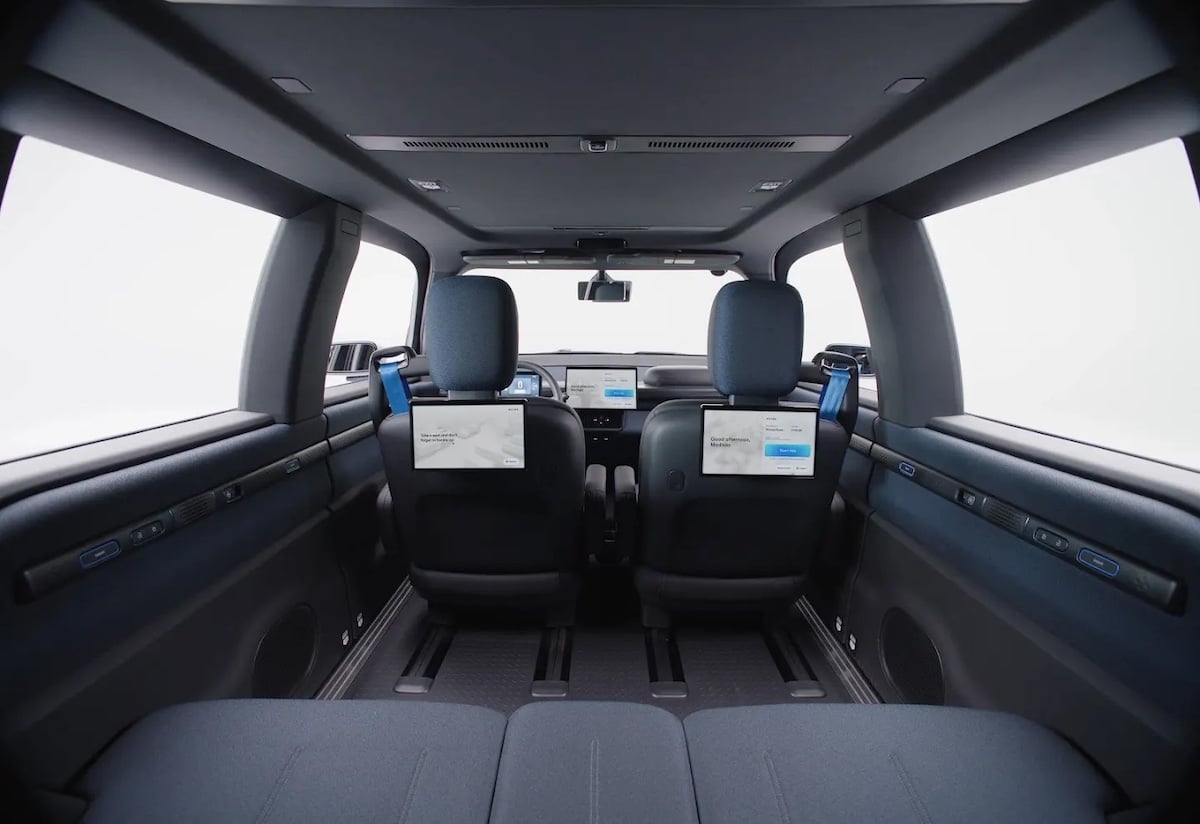
The Ojai’s interior is roomy, and Waymo leans on that comfort as part of the pitch: three Gemini-powered touchscreen displays give riders control of music, temperature, and personal space. You’ll recognize the company fingerprints—Alphabet’s AI (Gemini), Waymo’s sixth-generation stack—stitched into a chassis supplied by Zeekr, the Geely-owned Chinese automaker.
A parked Ojai outside Waymo’s Arizona site gave away the scale of the program.
Waymo isn’t teasing this. The company rolled the Ojai out to select users in May after months of employee testing; a TechCrunch source says roughly 300 Ojais are already in commercial fleets, with plans to deploy to Denver, Las Vegas, and San Diego. Electrek observers spotted more than 600 finished robotaxis staged outside Waymo’s Mesa, Arizona, facility—an image that felt less like a showroom and more like a factory line about to hum.
Can Waymo import Chinese-made cars into the U.S.?
Yes, but not the way you’d imagine. Direct imports of fully equipped Chinese autonomous vehicles would trigger steep tariffs and regulatory scrutiny—Chinese EVs currently face a 100% tariff on top of other duties. The Commerce Department and the U.S. Bureau of Industry and Security have also limited certain China- and Russia-linked automotive tech.
Waymo’s workaround is surgical: it brings in stripped-down Zeekr bodies, devoid of the sensors and computing systems that raise national-security alarms, and installs its own American-developed autonomous hardware and software at its Mesa plant. The result is a vehicle that’s Chinese in chassis but domestic in brain and operations—an assembly line that puts Waymo’s systems into a foreign shell.
A glance at customs paperwork showed how rules and business incentives collide.
More than 3,200 Zeekr vehicles have been shipped to the U.S. since 2024, according to Forbes. That volume suggests the math—tariffs, factory refit costs, domestic installation of sensors and compute—still favors importing chassis and completing the vehicle stateside. I’ve talked to engineers who compare the process to swapping a brain into a body: the exterior is bought, but the intelligence is homegrown.
Are Chinese electric vehicles allowed on American roads?
They can be, but with limits. The U.S. currently bars or taxes many Chinese-made EVs through tariffs and import rules designed to protect supply chains and national security. Where those rules bite, companies like Waymo find legal pathways: import incomplete vehicles, remove or bypass flagged components, and integrate U.S. tech before commercial use.
I watched a driverless Ojai pick up a rider outside a subway exit last week.
That small scene represents several larger dynamics: Waymo’s move away from Jaguar I‑Pace fleets (Jaguar ended I‑Pace production in 2024), its testing of Hyundai Ioniq 5 SUVs in partnership deals, and a practical acceptance that global supply chains will be hybrid—parts and platforms from multiple countries assembled in new ways. For regulators, the choreography raises questions about traceability, supply-chain resilience, and how far a company can go to reconcile cost with compliance.
You should also note the platforms and players involved: Alphabet (Waymo’s owner), Gemini (Google’s AI), X/Twitter (communications), Forbes and TechCrunch (reporting), Electrek (industry coverage), Zeekr and Geely (manufacturing), Jaguar and Hyundai (fleet partners), and the U.S. Commerce Department and BIS (regulators). That cast tells you this is as much about policy and PR as it is about engineering.
The Ojai is a visible sign that the industry is experimenting with pragmatic workarounds: import a durable body, refit the critical systems domestically, and roll the vehicle onto public streets under American control. It’s a chess match with trade rules and an experiment in operational design that could reshape how autonomous fleets scale.
There’s a political layer too: tariffs are blunt instruments, and companies with scale—Waymo among them—are testing how to operate inside those limits while preserving brand trust and safety. You may not care where your ride’s metal came from; you will notice if the robotaxi is slow to stop, or if the interface is confusing. Safety and experience are the currencies that matter at the curb.
For now, Waymo’s approach reads like two strategies at once: use global manufacturing to control cost and use domestic integration to control risk. It’s a careful balance, and it’s already moving from pilot to regular service in three major U.S. cities. Are you ready to hail a robotaxi whose chassis was built in China and whose mind was installed in Arizona?