I sat through the Venice premiere as the credits rolled and the crowd leapt to its feet. You could feel the applause like an order being placed for release—clear, loud, definitive. Instead, the studio that bought the international rights is now reportedly hesitating, and that silence is louder than the ovation.
I’m telling you this because I follow how films travel from festival love to global markets, and what looks like momentum can turn into a legal and PR logjam overnight. Universal Pictures bought international rights to Alex Gibney’s Musk back in 2023, but that buy no longer looks like a guarantee of distribution. The film, which critics met with a five-minute standing ovation in Venice and shouted thanks to the director, now has no international release date and may be returned to Gibney if the studio pulls out.
Venice applause, then public pushback
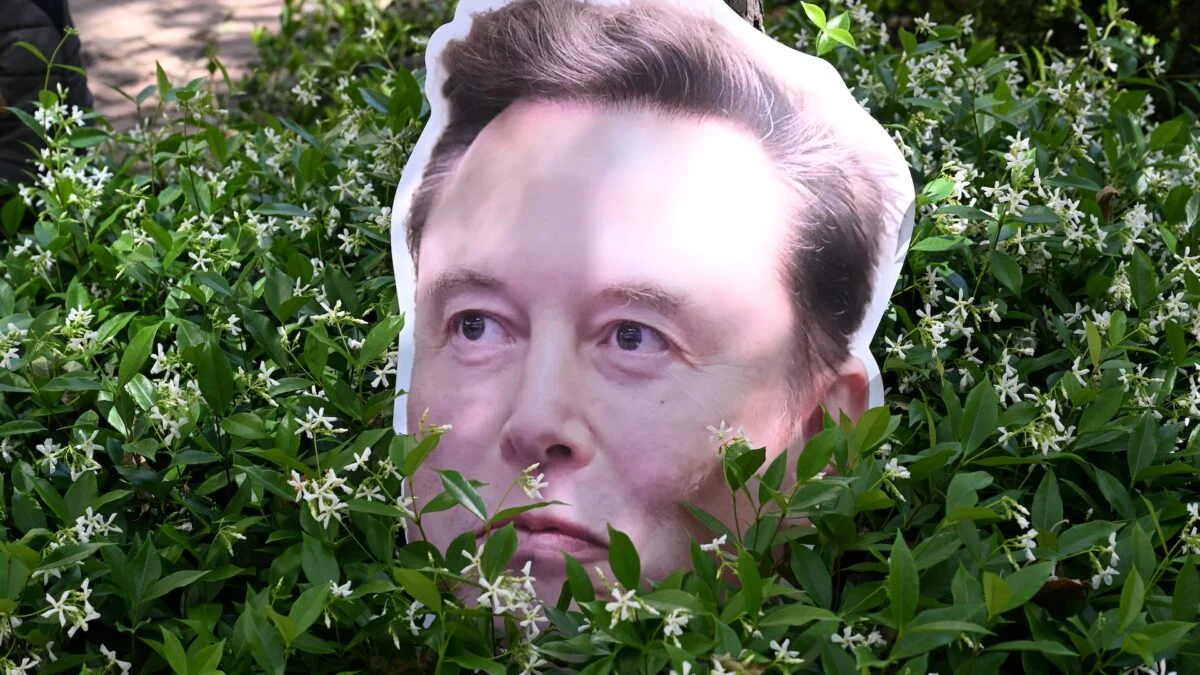
The audience reaction in Venice was visceral: standing ovations, shouts, and a press corps buzzing. That kind of reception usually signals sales teams calling buyers; this time it set off something different. After the premiere, Elon Musk took to X (formerly Twitter) and called the film a “psy op” and the filmmaker a “horrible human,” then his lawyers reportedly sent a letter alleging misrepresentation and threatening defamation action. The noise from Musk turned a marketing moment into a reputational threat for distributors.
Why would Universal shelve the film?
You should read the studio’s hesitation as risk calculus, not artistic snobbery. Distributors weigh legal exposure, diplomatic headaches in key markets, and potential advertiser and exhibitor pressures. Universal owns international rights outside North America; if it chooses to walk away it reportedly would pay a kill fee and return rights to Gibney. That leaves the film free to find a new home overseas while Bleecker Street still handles the U.S. release.
Public attacks, real legal letters
When a billionaire publicly accuses a film of being a “psy op,” that accusation ripples through legal and PR teams. You can imagine the scene in a studio war room: counsel briefing marketing, execs weighing counsel’s risk estimates, and communications teams drafting contingency lines. Musk’s tweets were followed by a letter from his lawyers demanding corrections and threatening litigation — the sort of pressure that can make even large companies pause and re-evaluate their exposure.
Could Musk’s legal threat stop overseas release?
I watch legal threats the way I watch weather: a warning doesn’t always bring the storm, but it reroutes flights. A defamation suit would force distributors into expensive, headline-grabbing litigation they may prefer to avoid. That said, Bleecker Street still plans to open Musk in New York and Los Angeles on October 9 and nationwide on October 16, with a later streaming window on HBO, so the U.S. path appears set for now.
Rights, release windows, and the market chess
You can see how the rights map becomes a board game when an international buyer steps back.
If Universal shelves the film, Gibney regains the rights and can shop it again to other studios or regional distributors. That trade involves kill fees, timing windows for theatrical and streaming releases, and strategic partners like HBO and film festivals that can carry a film into new territories. The negotiation over distribution can feel like a chess match, with every move changing where the film can play and who profits.
Will the film still hit US theaters?
Yes, at least for now. Bleecker Street remains the U.S. distributor and has dates on the calendar; Gibney confirmed the American theatrical plan and HBO streaming slot. That split—U.S. set, international unsettled—creates a strange patchwork release model that can limit global box office and the secondary market value, but it keeps the film visible where it matters most for awards and press.
I’ve followed movies through scandal and silence; you learn that the louder the public attack, the more private the negotiation. Universal’s reported hesitation raises a simple question: when powerful people push back, who decides whether a film goes dark or gets daylight?