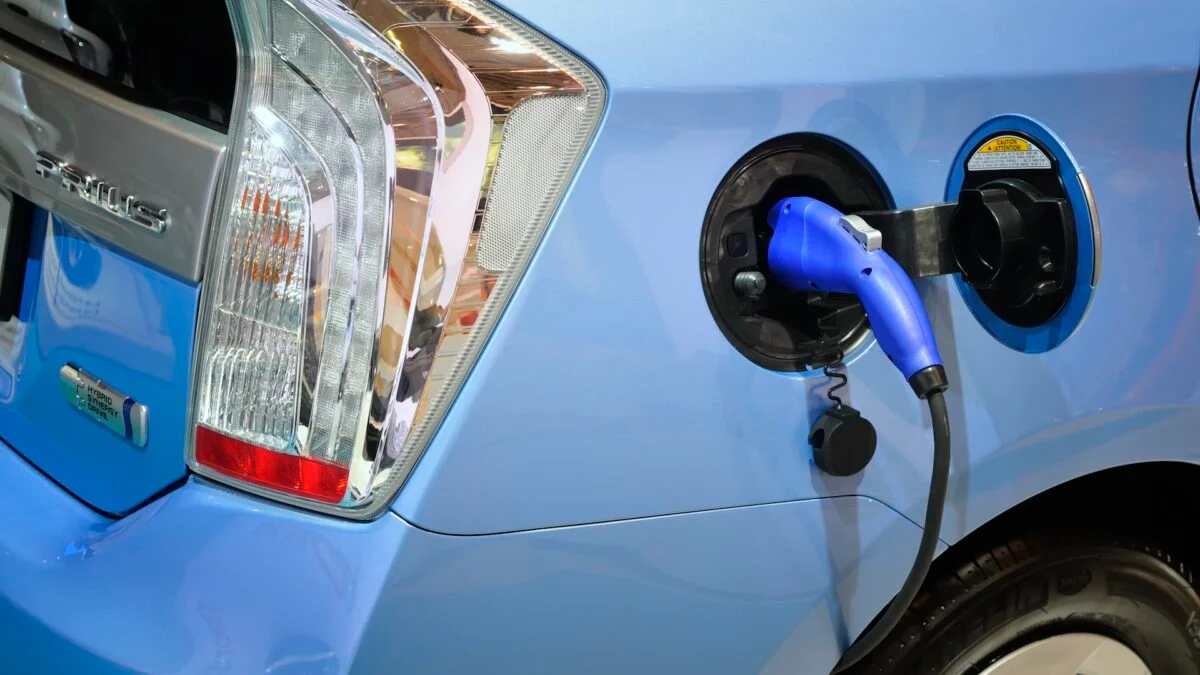
I watched a buyer walk out of a dealership last month, keys to a hybrid in hand and a glossy EV on the lot untouched. The relief on their face said more about money and range than about fashion. In that quiet moment I realized Toyota’s long gamble on hybrids isn’t just surviving — it’s quietly winning.
I’ll walk you through the numbers, what they mean for rivals, and why your next choice at the pump or charger might look different than you expect.
Toyota and Lexus combined sold 633,223 vehicles in the three months ending in September, a 0.6% increase year over year. Of those, 363,367 — or 57% — were what Toyota calls “electrified” (hybrids, plug-in hybrids, battery EVs, and fuel-cell models). For the Toyota brand alone, the split is starker: 325,227 electrified out of 540,167 total vehicles, just over 60% electrified, and Toyota’s electrified sales rose 29% year over year.
On showroom floors across the U.S., hybrids are outselling plain gas cars.
That tells you something simple: availability and practicality matter. Toyota and Lexus now offer more than 20 hybrid and plug-in hybrid options in the U.S., giving buyers easy, familiar choices when gasoline prices spike or charging infrastructure feels uncertain.
You’ll see two forces at work. One is market psychology — buyers are risk-averse after last year’s scramble for tax credits — and the other is product breadth. I’ve watched customers trade the novelty of pure EVs for the steadiness of hybrids the way someone trading a weekend thrill for a dependable commuter.
Toyota’s hybrid lineup is like a Swiss Army knife for buyers: versatile and ready for many situations.
Why are Toyota’s electrified sales so high?
Because Toyota built choices and consumers punished scarcity. With federal EV tax credits allowed to expire in September 2025 and emissions rules loosened, many shoppers bought EVs early and demand cooled sharply afterward. Cox Automotive reported new EV sales fell 46.9% year over year in August to 78,895 vehicles — and Toyota landed as the second-largest EV seller behind Tesla in that month. Meanwhile, hybrids offer immediate fuel savings without range anxiety or charging hassles.
At dealership counters and on highways, policy shifts rewired buyer behavior.
The policy roller coaster — tax-credit expirations, regulatory rollbacks — sent buyers to dealers in 2025 and left a hangover this year. Ford CEO Jim Farley warned the change could halve EV demand, and the market showed him right.
The fallout forced several automakers to rethink their EV plans. General Motors reported U.S. sales fell 6% year over year to 670,974 vehicles; some models cratered. The Chevrolet Equinox EV plunged 92% to 1,905 units, the Blazer EV fell 84%, and the GMC Hummer EV dropped 72%. GM’s limited hybrid lineup left it fewer options to ride out the slowdown.
The auto market right now behaves as a weather vane — sensitive to policy gusts and consumer sentiment.
Will Toyota sell an electric Corolla in the U.S.?
Car and Driver reported Toyota plans a major overhaul of the Corolla for the 2028 model year, expected to include gas, hybrid, plug-in hybrid, and for the first time a fully electric variant. Toyota hasn’t confirmed U.S. availability, but if it comes stateside the EV could offer single- and dual-motor options with at least 250 miles of range. Price estimates are roughly: gas Corolla around $25,000 (≈ €23,000), hybrid about $27,000 (≈ €25,000), and plug-in hybrid/EV near $30,000 (≈ €28,000).
In real-world garages and morning commutes, hybrids are delivering immediate value.
Higher gas prices have nudged buyers toward better mpg without making them live by a charger. That’s a pragmatic win for Toyota and Lexus: more electrified units sold, steadier revenue, and time to refine EV plans.
I’ve spoken to dealers who say a hybrid’s easier sale — fewer objections, simpler financing — has changed their monthly math. Meanwhile, automakers doubling down on full EV portfolios are seeing growing pains and sharper sales swings.
Are hybrids better than full EVs right now?
“Better” depends on priorities. If your priority is immediate cost predictability and no-charger anxiety, hybrids often win. If you prioritize emissions reductions and long-term fuel cost savings and you have reliable charging, EVs can be superior. Right now, market constraints — policy shifts, model cancellations, and charging infrastructure gaps — give hybrids a moment in the sun.
You’ve seen the numbers and the dealer conversations; I’ve tracked the strategy moves from Toyota, Tesla, GM, Ford, and the data from Cox Automotive and trade outlets like Car and Driver. Toyota’s bet on hybrids is earning it breathing room and market share while it plans for a fuller EV lineup in the years ahead.
Which side of the aisle will you be on when the next wave of models hits showrooms — the hybrid middle ground or the full-electric future?