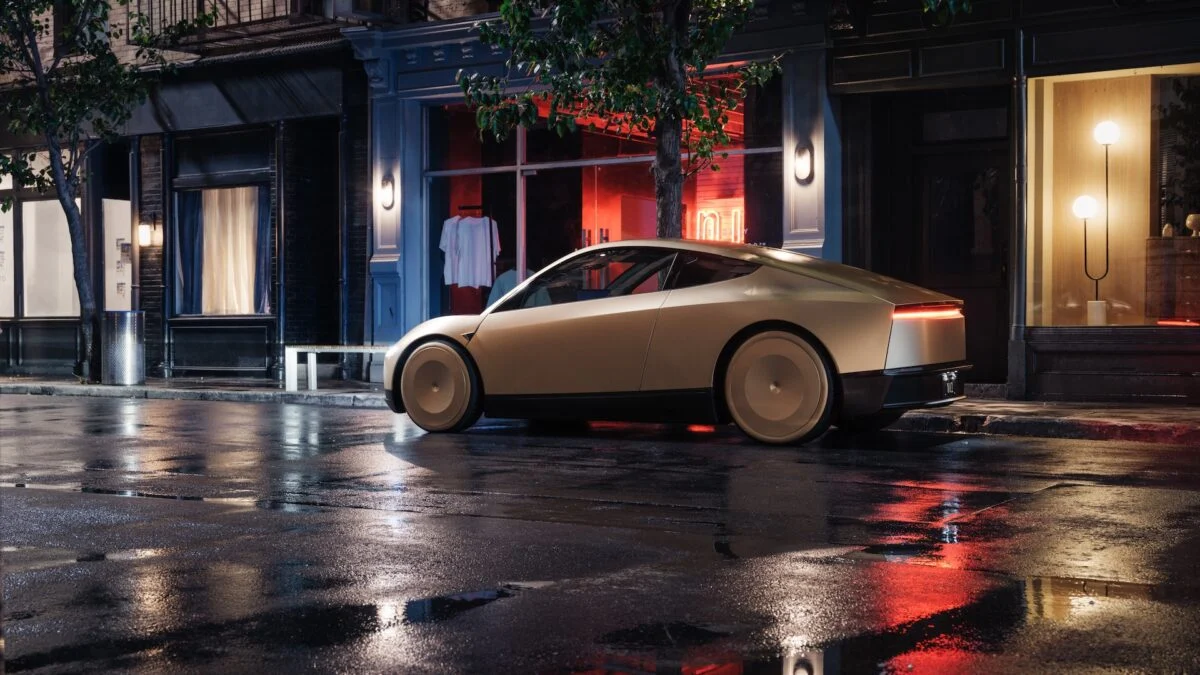
It was a school-morning scene: backpacks, a crossing guard, and a silent Cybercab that rolled through the painted crosswalk faster than local drivers. Parents flagged it down; the vehicle didn’t stop. I felt, in that moment, how fragile our trust in autonomous cars has become.
I’ve tracked automated-vehicle investigations for years. You’ll hear the terms, read the filings, and still feel puzzled when a vehicle programmed for safety seems to break the rules. Let me walk you through what’s happening and why regulators may be tightening the screws.
At a suburban intersection, a Tesla Cybercab reportedly cruised past a posted 20 mph school-zone sign.
The National Highway Traffic Safety Administration (NHTSA) opened a defect petition review after receiving formal complaints that Tesla’s 2026 Model Y and new Cybercab robotaxis were exceeding posted school-zone speeds. The agency’s Office of Defects Investigation logged the petition on Sept. 23 and says roughly 1,000 vehicles could be involved.
You don’t need me to tell you why that raises alarms: school zones are where tolerance for mistakes is lowest. The petition cites three videos and NHTSA has four reported incidents on record — no crashes or injuries so far, but plenty of concern.
Are Tesla robotaxis safe?
Safety is the question that will echo through public testimony and regulatory halls. Tesla’s automated driving system is the common thread: the incidents involve vehicles with the system engaged. NHTSA is reviewing whether to open a formal probe to test whether the behavior rises to a defect under federal law.
On the day Tesla debuted public Cybercab rides in Austin, regulators opened a separate review.
That review asks how Tesla certified the Cybercab despite the absence of traditional controls — no steering wheel, pedals, or mirrors — and whether certain Federal Motor Vehicle Safety Standards (FMVSS) apply. The agency is examining the technical data Tesla used for certification and whether the company concluded that some FMVSS requirements were not relevant to the design.
NHTSA has proposed updates to FMVSS for driverless vehicles but hasn’t finalized changes. That gray area is a practical headache for manufacturers and a political headache for regulators: who moves first, and how do you measure equivalence?
Why would Tesla’s robotaxis speed in school zones?
There are several possible explanations, ranging from sensor misclassification of signage to software routing or calibration errors. I don’t blame a single line of code — this is a systems problem where mapping, perception, and speed-policy modules must align. When they don’t, the result is a vehicle that behaves like an unwelcome bull in a china shop.
Outside courtroom policy rooms, other robotaxi makers have already been tested by similar incidents.
Last year the NHTSA investigated reports that Waymo cars passed stopped school buses with flashing lights; Waymo issued a recall affecting more than 3,000 vehicles. Earlier this year, NHTSA opened another inquiry after a Waymo vehicle struck a child near an elementary school in Santa Monica. Amazon-backed Zoox, by contrast, secured a temporary exemption this summer to operate up to 2,500 robotaxis per year for two years after NHTSA concluded its design met an equivalent level of safety, according to Administrator Jonathan Morrison.
These examples show regulators are willing to act — and to differentiate among companies based on data and design choices.
At the heart of the matter is certification and the policy framework that governs it.
The NHTSA review is not yet an investigation; it’s a gatekeeper step to decide whether the allegations justify full-scale inquiry. For Tesla, that means the agency will scrutinize whether its certification logic holds up under FMVSS and whether speed-control behavior was appropriately validated.
Right now the picture is legal and technical, with a political overlay: public trust, company posture, and the optics of sending driverless cars into neighborhoods with kids. The certification process feels like a cracked compass — regulators want clear bearings before accepting new vehicle architectures without conventional controls.
What will NHTSA do next?
If the review finds probable cause, NHTSA can open a defect investigation. That could lead to recalls, required software updates, or public enforcement actions. We’ve seen all of these tools used in past automated-vehicle probes.
On neighborhood streets, parents want answers faster than regulators move.
You’ll hear calls for immediate fixes and for heavier regulation. I think both are inevitable: companies will have to patch software and update rules-of-the-road, and regulators will tighten certification expectations. Tesla has not publicly answered questions about these particular allegations.
As you follow the story, watch for three vectors that shape outcomes: raw telemetry and video evidence, the legal interpretation of FMVSS for vehicles without traditional controls, and public pressure that moves policymakers. The next chapter may set precedent for how quickly—or how cautiously—the industry expands robotaxi fleets.
So where does that leave you, the resident commuter, parent, or policymaker? You should demand clear data and accountable timelines. Will regulators move from review to full investigation in a way that restores public trust, or will the speed of deployment outrun safety expectations?