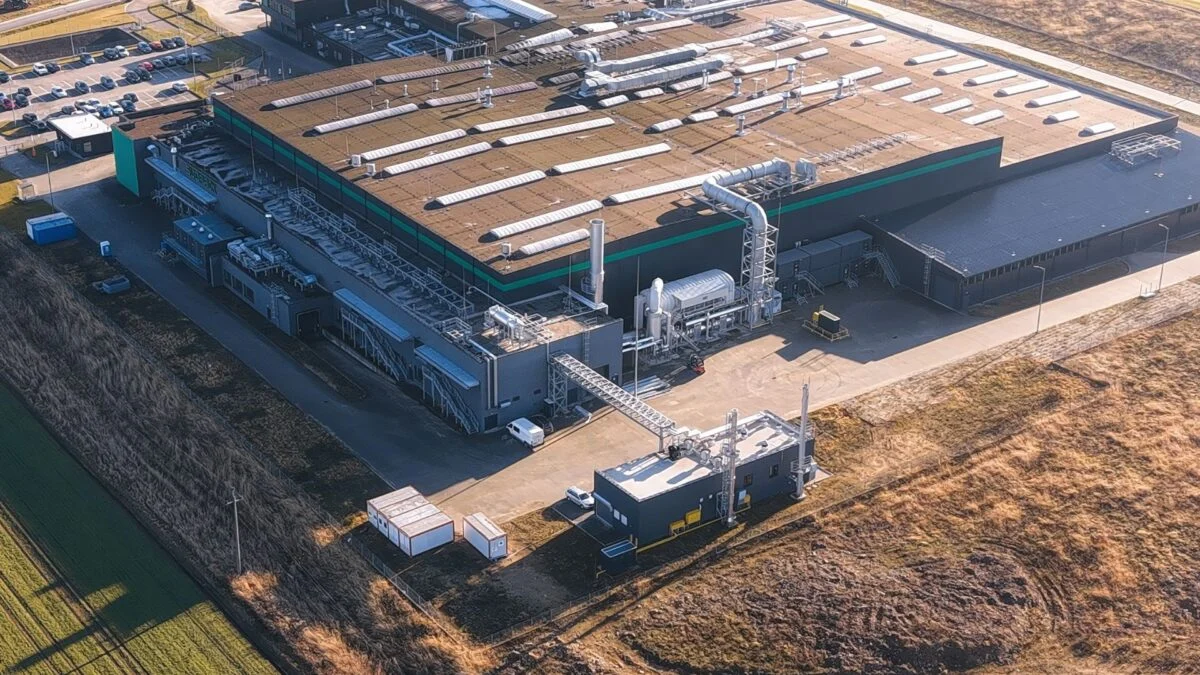
I was reading the council minutes when it hit me: a line in black ink promised Six Billion and 00/100 Dollars for a project no one in town had fully seen. You could feel the room shift—neighbors exchanging texts, candidates sharpening talking points, a small city suddenly on the map. Within a week, half the council was out.
I want to walk you through what happened in Festus and why you should care. You’ll get the records, the politics, and the scent of a bigger debate about power, pollution, and local control.
Neighbors on Glenkee Court watched survey stakes appear near their yards
One block of tidy houses ended up on the map as potential casualties. The March 30 council minutes note the developer, CRG Acquisition, LLC, “intends to invest a minimum of Six Billion and 00/100 Dollars” ($6,000,000,000; €5,500,000,000). The pages mentioned a buyout program for eleven homes on Glenkee Court—houses that, from a quick scan of Google Maps, sit at the very edge of the planned parcel.
Those inside the buyout zone were promised options. Those a few feet beyond it were left to wonder what happens next. I read the language and felt a simple truth: deals are made on paper; consequences land in front yards.
What happens when a town approves a data center?
Approval hands developers permits, tax incentives, and access to local infrastructure. It also hands neighbors uncertainty about noise, traffic, truck routes, and, critically, emissions from on‑site generators. The council documents require adherence to Tier 4 generator standards of the EPA, with a priority for natural gas or low‑sulfur diesel—technical words that carry heavy local meaning once turbines start.
At public hearings, the air filled with stories about gas and health
People from Memphis told a story that landed hard in Festus: a big data center operated by Elon Musk’s xAI (a SpaceX division) relied on natural gas turbines and drew complaints about nitrogen oxide pollution. “I can’t breathe at home,” a resident said at a hearing covered by Politico. That testimony traveled fast on social media and seeded a fear that energy infrastructure could make neighborhoods sick.
Are data centers bad for local air quality?
The short answer is: sometimes. Emissions depend on backup generator fuel, frequency of use, and local grid stability. Projects powered mostly by natural gas or diesel create pollution profiles different from fully electrified designs, and residents often experience the changes before regulators do. Tools like EPA permits and local monitoring can help, but they’re rarely a comfort at 3 a.m. when a turbine kicks on.
A city council vote became a political flashpoint on the ballot
The council approved the CRG deal and the planning documents, and that approval read to many voters as a deal done behind closed doors. Social posts amplified images of maps, buffer zones, and generator specs. One councillor’s minutes—now public—were then used as campaign fuel.
The backlash took a simple form: on election day Festus voters removed every incumbent running and replaced them with candidates who promised more transparency. Politico covered the shakeup and named the defeated incumbents—Jim Tinnin, Jim Collier, Brian Wehner, and Bobby Venz—and quoted new council‑elect voices like Rick Belleville, who said the city hadn’t been listening.
Can voters stop data center construction?
Yes, locally they can slow or reshape projects. Port Washington, Wisconsin, passed a referendum restricting future data centers the same week Festus voters acted—the first of its kind, and a sign that local ballot measures are becoming real levers. Regulators, developers, utilities, and voters now all play parts in the process.
Across town, campaign messages promised more transparency
Rick Belleville’s Instagram post eight weeks earlier called for an online platform so residents could ask questions and hold the city to account. Voters apparently remembered that promise at the polls. That momentum was quick and surgical: the political cost of a perceived opaque negotiation became visible almost overnight.
The data center debate in Festus is not an isolated skirmish. It’s a front in a wider conflict about electricity demand—S&P Global projects data center grid power demand to rise sharply in coming years—and about which communities shoulder the infrastructure required by AI, cloud services, and massive corporate compute.
The minutes on the council’s website are small documents with big consequences (read them here). The deal’s language was plain: buyouts for homes within 1,000 feet, Tier 4 generator standards, and a developer branding itself as “Architects of Liquidity.” The minutes were a loaded pistol.
What I watched in Festus was not simply policy; it was a social reaction. People who felt unheard organized, shared evidence, and voted. The project became a lightning rod, attracting scrutiny from Politico, local activists, and national conversations about where server farms belong.
Oracle and OpenAI’s presence in places like Port Washington, and Elon Musk’s xAI in Memphis, show the corporate cast on this stage. You should expect more local fights as companies expand capacity, and as towns weigh tax revenue against neighborhood risk.
If half a small council can be voted out over process and perception, what will your town do when a similar deal arrives at its council table?