I stood in the legislative gallery when the vote clicked up on the board. You could feel the room shrink around one question: who pays for the power? By the end of the night, Maine’s Democrat-controlled legislature had moved to stop large new data centers before they begin.
I watched lawmakers trade the chips of a modern debate in roll-call votes.
The House approved the ban 79–62 and the Senate 21–13, largely along party lines, according to the Wall Street Journal. Governor Janet Mills still has to sign the bill. Reports indicate she has signaled she might sign a measure under certain conditions — which means this fight could land on her desk and your inbox.
The text sets a threshold at 20 megawatts and places a moratorium on construction until November 2027, while creating a council to study how data centers affect Mainers’ costs. In practice, that 20 MW line functions less like a suggestion and more like a dam across a river of servers, halting large-scale facilities before foundations are poured.
What does Maine’s data center ban do?
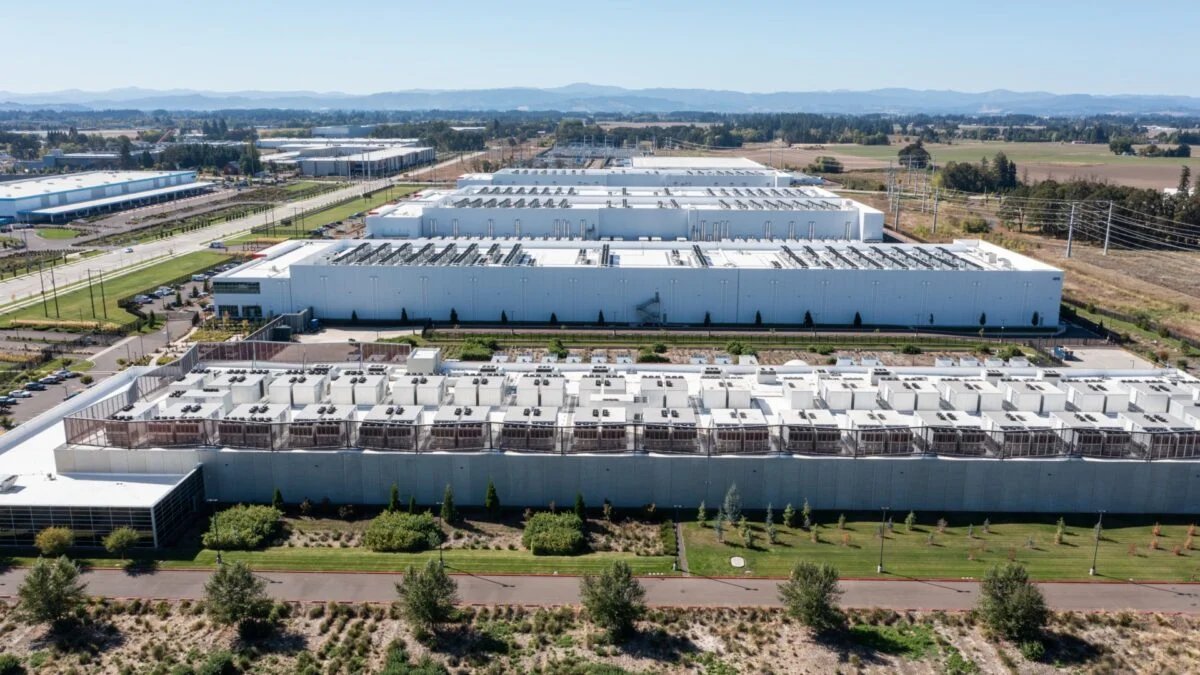
The law would block new data centers that would draw more than 20 MW of power. That’s a technical cutoff with a real consequence: contemporary AI-focused facilities commonly run at or above 40 MW, according to the Regional Plan Association, so many proposed projects would be prevented from moving forward.
The electric bill at my neighbor’s kitchen table changes the conversation in ways a press release never does.
Electric Choice ranks Maine among the states with some of the highest electricity prices — the site places it near the top of the list. That’s the political fuel behind the ban: when grid stress shows up in your household budget, public tolerance for heavy industry that leans on local power shrinks.
Data centers pull huge, steady loads. Early data centers once used about 2 MW; modern facilities average around 40 MW. That gap helps explain why a 20 MW cutoff is effectively a ban on the types of facilities that host large AI training clusters and hyperscale cloud services.
Will Maine’s ban stop AI data centers?
Short answer: it will stop many of them. Because the industry standard for a contemporary large data center sits near or above 40 MW, a 20 MW cap blocks projects that would host large AI clusters from being built in Maine. Major cloud providers — the likes of Amazon Web Services, Google Cloud, and Microsoft Azure — typically aim for much higher power envelopes when they design AI infrastructure, so this law narrows their options.
I keep a map of permit filings and the pattern is blunt: Maine isn’t the busiest dot on the map.
Business Insider’s permit-tracking shows only a couple of likely projects in Maine, which raises a question: why pass a statewide ban when active construction is limited? The answer lies in momentum politics — preventing future proposals before they become headlines — and the fear of a sudden industrial appetite overwhelming small-grid states.
Other states have tried and failed to pass similar measures; efforts stalled in Georgia, Maryland, Michigan, New Hampshire, New York, Oklahoma, South Carolina, South Dakota, Vermont, Virginia, and Wisconsin, while cities and states across the country continue to consider restrictions, according to reporting by Business Insider and the Wall Street Journal. This makes Maine’s move a test case for how far local governments will go to control energy demand from tech industry growth.
The ban also sets up an advisory council to quantify the financial and social costs to Mainers — an admission that the debate isn’t purely technical but about who bears the expense and who collects the profit. That framing puts you and your community at the center of a fight between local resilience and global cloud economics.
When would the ban take effect?
The law institutes a moratorium that lasts through November 2027. During that period the council will study impacts and recommend policy, so developers and cloud providers face a delayed timeline and new uncertainty for projects that would exceed 20 MW.
The reporting names the usual players: the Wall Street Journal, Business Insider, Electric Choice, and the Regional Plan Association. Tech heavyweights such as AWS, Google, and Microsoft don’t appear by name in the bills, but their infrastructure needs are the invisible hand here — and the companies will watch this closely.
I’ll be watching how Governor Mills frames a final decision and how state councils translate technical study into local policy. You should too — this law asks whether small states can set the pace for data infrastructure in America, or whether tech’s demand for power will redraw the map of where servers live like a hedge around a vulnerable garden. Do you think Maine just set a precedent or lit a fuse for a national policy battle?