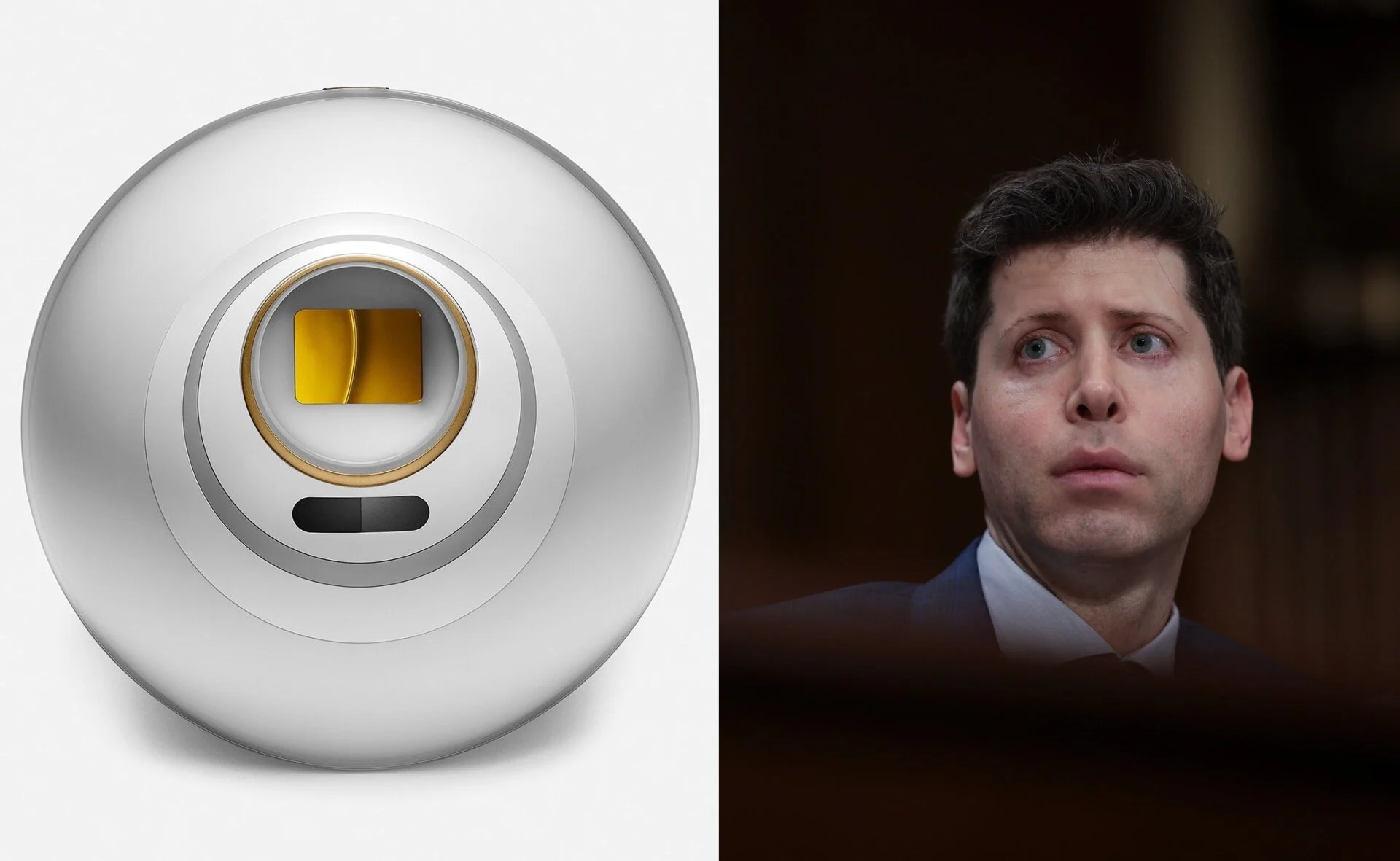
You open an inbox and there it is: a terse note from Tools for Humanity, trimming staff as the Orb keeps scanning no fewer skeptics than supporters. I read it the same day OpenAI filed to go public, and the coincidence felt less like timing and more like a message. I want to walk you through what that message means—how a biometric startup tied to Sam Altman shifted from bold promise to belt-tightening.
The layoff email landed the same day OpenAI filed to go public.
That timing matters. You and I both know headlines arrive on schedules, but this one read like a strategic punctuation mark: OpenAI on the path to IPO while Tools for Humanity pares back people. I’ve tracked founder teams through booms and busts, and when the CEO of an affiliated venture is juggling public-market optics, resource reallocation is rarely accidental.
Business Insider first reported the staff notice, quoting internal language that framed the cuts as part of “the next step of our company strategy and operating priorities.” You should read that as corporate phrasing that can mean hiring freezes, role consolidation, or outright layoffs.
Why is Worldcoin laying off staff?
Short answer: underperformance and a shake-up in priorities. World (formerly Worldcoin) set an audacious target—scan one billion people—yet by April it had verified nearly 18 million. That gap is not a rounding error; it’s a structural problem for a product that depends on physical presence and broad adoption.
The Orb still sits in festival booths and city kiosks, but verification numbers lag far behind the promise.
World’s Orb is a physical scanner with a digital promise: a unique ID tied to an iris scan to prove a human is a human online. Almost two years after launch, verified users are under 2 percent of the stated goal. When a product needs you to visit a kiosk to get an ID, growth curves flatten fast.
Regulatory headwinds haven’t helped. Several countries have launched probes or temporary bans over privacy and data-security concerns, coverage TechCrunch and Reuters flagged earlier. Those investigations put adoption on hold and make enterprise partners skittish.
How many people has Worldcoin verified?
The company reports nearly 18 million verified users via the Orb device as of April—far short of its one-billion target.
Key executives have left in a cluster, and you should read those departures as warning signs.
Chief Information Security Officer and Chief Architect Adrian Ludwig exited earlier this year, followed by Chief Legal and Privacy Officer Damien Kieran. Before them, leads for protocol research, people, talent, and device product departed. Loss of senior hires with security and privacy mandates is especially noisy for a biometrics company.
I spoke with former employees and sources who cited cultural friction and leadership challenges. That aligns with the pattern: when executives with stewardship over trust walk, it raises red flags for partners and regulators.
The startup once attracted big funding but is changing course while shipping new features.
World raised $115 million (€106 million) in Series C funding in 2023 and rolled out updates: a World App with chat and banking, and integrations that give Orb-verified users features on platforms such as Tinder, Zoom, and DocuSign. Those moves aim to create utility beyond a novelty badge.
Integrations are smart growth plays—Tinder badges and Zoom verification signal enterprise use cases—but they require broad baseline adoption and solid privacy guarantees to scale. If users refuse to yield biometric data, the network effects stall.
Is Worldcoin safe to use?
That’s the question companies and users keep asking. Regulators and media outlets including TechCrunch and Reuters raised privacy concerns; internal departures of security and privacy officers amplify those worries. If I had to advise you as a user, I’d ask: who controls the keys, where is the data stored, and how reversible is the ID?
The culture inside the company showed strain before the cuts arrived.
People left, teams regrouped, and the headcount—previously north of 500—contracted as the company reshaped itself. When a venture with high visibility sheds talent in waves, the signal is operational friction more than a single bad quarter.
Tools for Humanity’s pitch burned bright: solve bot fraud, protect online human interactions, and build a portable identity. But ambition met reality. The Orb is an Orwellian lighthouse; its beam attracted critics as well as adopters. Tools for Humanity became a house of cards.
I’ll keep watching how Sam Altman and his teams allocate attention between an IPO-stage OpenAI and a biometric offshoot that must win trust to survive. If you were deciding whether to try World’s verifier or to partner with it, which risk would you bet on: a biometric ID with limited reach or the brand that now sits before public markets?