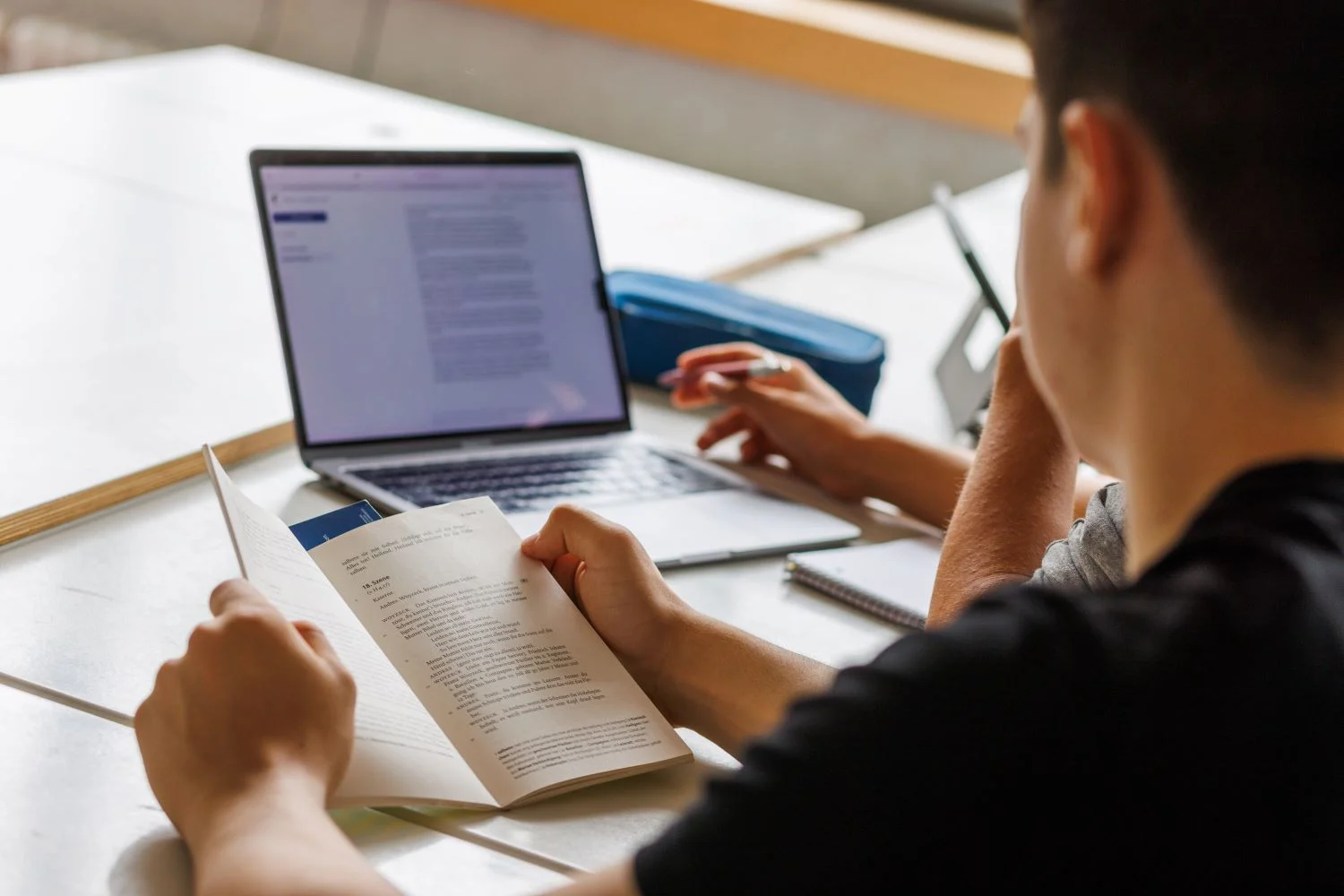
On Monday I watched a seven-year-old hand back a tablet and choose a paperback. The principal nodded—no devices, no AI, not here. You could feel the room tighten around a single task: learning.
The classroom emptied of screens: Norway draws a hard line on AI for kids
I read the Reuters dispatch and then called a teacher in Oslo. Prime Minister Jonas Gahr Støre announced a set of rules that will take effect when school returns in August: a near-total ban on AI tools for grades 1–7 (ages 6–13), supervised AI use in grades 8–10 (14–16), and looser guidance for those 17 and up. This is not a nudge — it is a policy that rewrites where and how generative models like ChatGPT and tools from OpenAI, Google and Microsoft can appear in classrooms.
Will Norway ban AI in schools?
Short answer: almost for the youngest children. Norway isn’t outlawing AI across society; it’s restricting classroom use for early grades and asking teachers to mediate tools in lower secondary. You should read the Reuters coverage and statements from Støre for the policy language.
Grades 1–7 went analog overnight: What the rules actually do
I visited a primary school and saw stacks of novels being circulated instead of screens. Students in first through seventh grade are effectively prevented from using AI in class; in lower secondary the technology can be used only under teacher supervision; older students have more latitude but are urged to use AI sparingly and appropriately. The government also plans new funding to buy physical books for classrooms.
There’s a blunt logic here: “The most important thing in school is that our children learn to read, write and do mathematics,” Støre said. You can hear the appeal — basic literacy and numeracy as the bedrock of schooling — and you can also feel the pushback from edtech firms that have built lesson plans around tablets, adaptive platforms and integrated AI assistants.
Why is Norway restricting AI for students?
Because previous experiments produced results worth worrying about. Norway’s tablet rollout in 2016 was followed by a noticeable drop in literacy and test scores. When the country banned smartphones in classrooms in 2024, the Norwegian Institute of Public Health reported declines in bullying and a rise in grades. Those outcomes shaped the political argument that AI and pervasive screens may be eroding attention and basic skills.
Teachers and tech firms watching the margins: Who wins, who adapts
At a teachers’ meeting I sat in on, publishers and veteran educators traded notes about textbook orders and lesson plans. The policy forces an immediate market shift: more demand for printed books, reworked teacher training, and new product decisions for companies like Apple, Google and Microsoft that sell hardware, cloud services and AI integrations to schools. Edtech startups that promised efficiency through automation will have to prove they improve learning rather than distract from it.
Screens became a second teacher in many classrooms; now the state is explicitly pulling that secondary instructor back. The policy is a lighthouse steering schools away from the shoals of distraction.
Can teachers use ChatGPT in class?
Yes, but mostly under supervision. In lower secondary (grades 8–10) teachers may allow AI tools if they control the context and the learning objectives; for older students the guidance is permissive but cautious. Expect guidelines about citation, critical evaluation of AI outputs, and measures to detect misuse or plagiarism — all issues that involve tools from OpenAI, Google’s Bard, Microsoft Copilot and others.
Norway’s move is a clear bet: that slower, more book-driven classrooms will improve focus and literacy while forcing tech companies to prove educational value. I’ll watch what schools do next and you should too, because this policy could be a model other countries copy or reject — which one will it be?