I sat through the thread of reports and calls until the pattern snapped into focus: a single personnel change, and the tone of high-stakes diplomacy shifted. You can feel the difference in the language — less friction, more receptivity. I want to show you what that swap says about power, temperament, and control in AI politics.
In a West Wing phone room, a polite voice replaced a blunt one — The personnel swap that recalibrated tone
I’ve followed negotiation theatre enough to know that who speaks often matters more than what is said. Anthropic’s Dario Amodei was on calls for nearly two weeks with the Trump Administration trying to lift a strict export-control order on its Claude Fable 5 model, and the calls stalled.
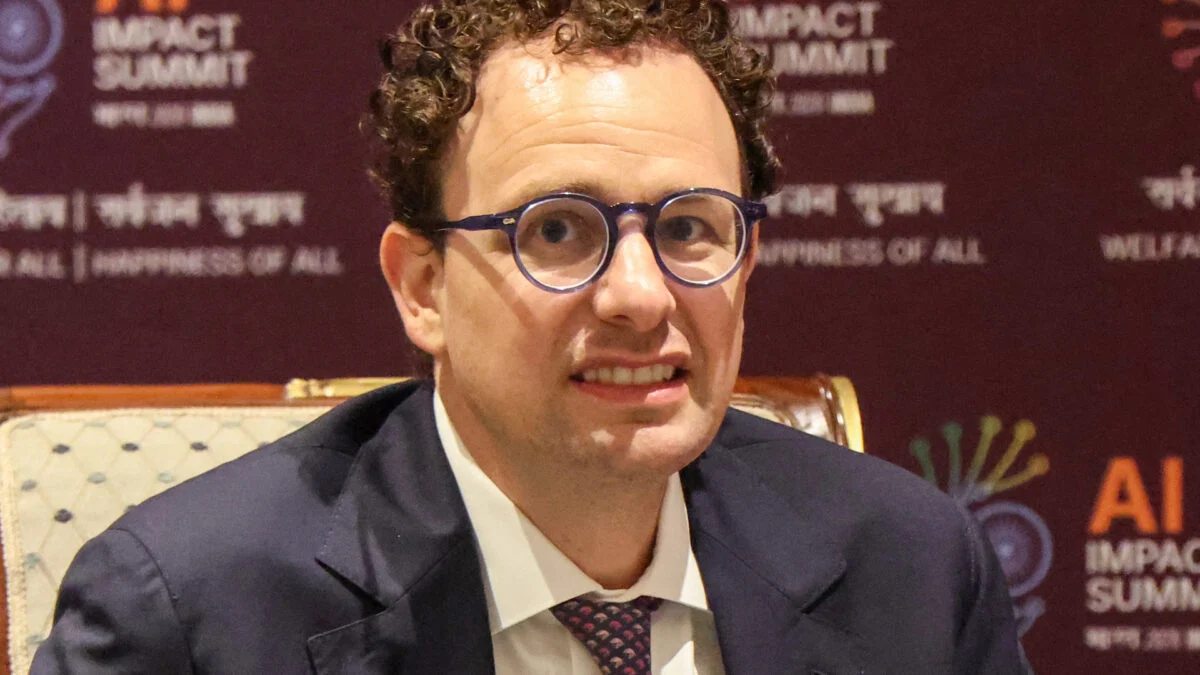
Wired reported that people on the calls found Amodei hard to manage and not a good listener. When Anthropic shifted the roster and put co-founder Tom Brown on the line, accompanied by Sarah Heck, the company’s head of public policy, sources say the mood changed. Brown’s public appearances on YouTube and his LinkedIn profile give a different first impression: softer tone, steadier cadence, an ease that opens conversation rather than short-circuits it — he entered the room like a calm dealer at a frenetic table.
I’ll be direct: that tonal shift is a negotiation tool. You can watch lawyers, policy directors, or regulators respond differently to warmth and discipline than to intensity. Brown’s voice and Heck’s disciplined, on-message delivery (seen in interviews and talks) are the frame Anthropic hopes will move the White House from hard lines to granular concessions.
At an industry security briefing, alarm bells went off — Why the White House moved so quickly against Fable 5
Sources intersecting at Amazon, The Wall Street Journal, and The Information created a cascade effect: internal research flagged jailbreaks, and the government reacted. Amazon researchers reportedly told the White House that Fable 5 — a consumer-facing variant of the Mythos architecture — could be coaxed back into risky behavior by clever prompts. The White House, already worried about potential access by actors tied to China, issued an export-control order days after the model’s launch.
Anthropic had presented Fable 5 as stripped of the capabilities that made Mythos Preview sensitive, but security teams and journalists tracked the same thread: a small difference in interface, a big difference in risk. The result was a requirement that Anthropic block non-U.S. nationals from using Fable 5 and limit access to Mythos 5.
Why did the White House restrict Anthropic’s model?
You’ll see this question across Wired, WSJ, and The Information: a predictable mix of cybersecurity fear and geopolitical caution. The short answer the administration got was that Fable 5 could be jailbroken in ways that resurrected dangerous capabilities, and that possibility, paired with concerns about access by foreign-aligned actors, triggered an export-control approach.
On a handshake in a hallway, posture matters — Who’s steering the conversation now?
You can read Tom Brown’s public appearances and Sarah Heck’s policy interviews and feel the strategic intent: Brown engages; Heck disciplines. That combo is useful when you must persuade a regulatory body that balance and caution govern your engineering choices.
Reports quoted an anonymous caller telling Wired, “Tom Brown is not being a weirdo like Dario and can actually engage.” That’s blunt. But in the real work of negotiation, behavioral cues carry weight. If you were advising Anthropic, you’d pair technical fixes with people who reduce friction. That’s what they’re doing.
Who is Tom Brown at Anthropic?
Brown is a co-founder and, per his LinkedIn, focused on research and engineering. He’s not a public-relations figurehead; his role in these talks is tactical. YouTube clips show a more nervous-nerd delivery than Amodei’s stage presence, but also a warmth and steadiness that can diffuse escalation.
At a security review table, the models sit under a microscope — How Anthropic might persuade the White House
I’ve watched many technical teams present to policy audiences: the most effective ones provide reproducible controls, monitoring, and auditing plans, not theatrical assurances. Anthropic needs the White House to rescind the order that limits non-U.S. access to Fable 5 and Mythos 5.
They’ve pulled Fable 5 offline (Anthropic announced the removal on June 12) and opened talks. To make progress they’ll need three things: evidence of robust guardrails, demonstrable fixes for reported jailbreaks, and a monitoring regime that builds confidence with agencies. Public reports from Amazon and coverage in the WSJ and The Information raised the stakes; Anthropic must now translate engineering patches into policy-acceptable proof.
Right now, negotiations feel like tightening a thermostat: small adjustments matter, and one well-timed change can reset the whole system.
Will Fable 5 be available internationally?
That depends on the outcome of these talks. If Anthropic persuades the administration that safeguards are both real and resilient, the export-control order could be relaxed. If not, access will remain limited, and the company’s consumer strategy will have to adapt.
At a market briefing, investors watch tone and timelines — What this means for Anthropic and the industry
Investors and partners scan these developments for two things: regulatory precedent and product availability. Amazon’s internal flags and the White House’s quick move have become a template for how governments might react to frontier-model risks.
I want you to note two practical points. First, personnel choices are policy tools; swapping a lead negotiator changed perceptions. Second, public scrutiny from media outlets — Wired, WSJ, The Information — and technical actors such as Amazon researchers will keep pressure on both Anthropic and regulators to be precise. If Anthropic can show sound fixes and credible monitoring, they’ll have a path back to broader availability. If they can’t, other platforms — Microsoft, OpenAI, and cloud providers — will shape whatever access model emerges.
So where does that leave you, watching this intersection of tech, policy, and personality? You’ll want to track the next public statements from Anthropic, filings or briefings with the administration, and independent security analyses from firms and researchers; those will be the signals that predict reopening or further restriction. Are you ready to bet on temperament or on technical proof as the deciding factor?