
I scrolled past the celebratory post and stopped. You can feel the triumph in the caption, but my eyes were pinned to the background. The shelf on the new Air Force One looked off — awkwardly literal, oddly staged.
On Wednesday Karoline Leavitt posted a photo from the new Air Force One.
I watched the X post land in feeds: “What a privilege to be aboard the inaugural flight on the brand new Air Force One!” The plane itself was presented as a gift from the government of Qatar, a gesture that collides with federal anti-bribery rules that bar gifts above $20 (€18). You notice the headline detail, then the eye wanders to the background and the questions begin.
What a privilege to be aboard the inaugural flight on the brand new Air Force One! A truly unforgettable day. pic.twitter.com/0vGswnULwK
— Karoline Leavitt (@karolineleavitt) July 2, 2026
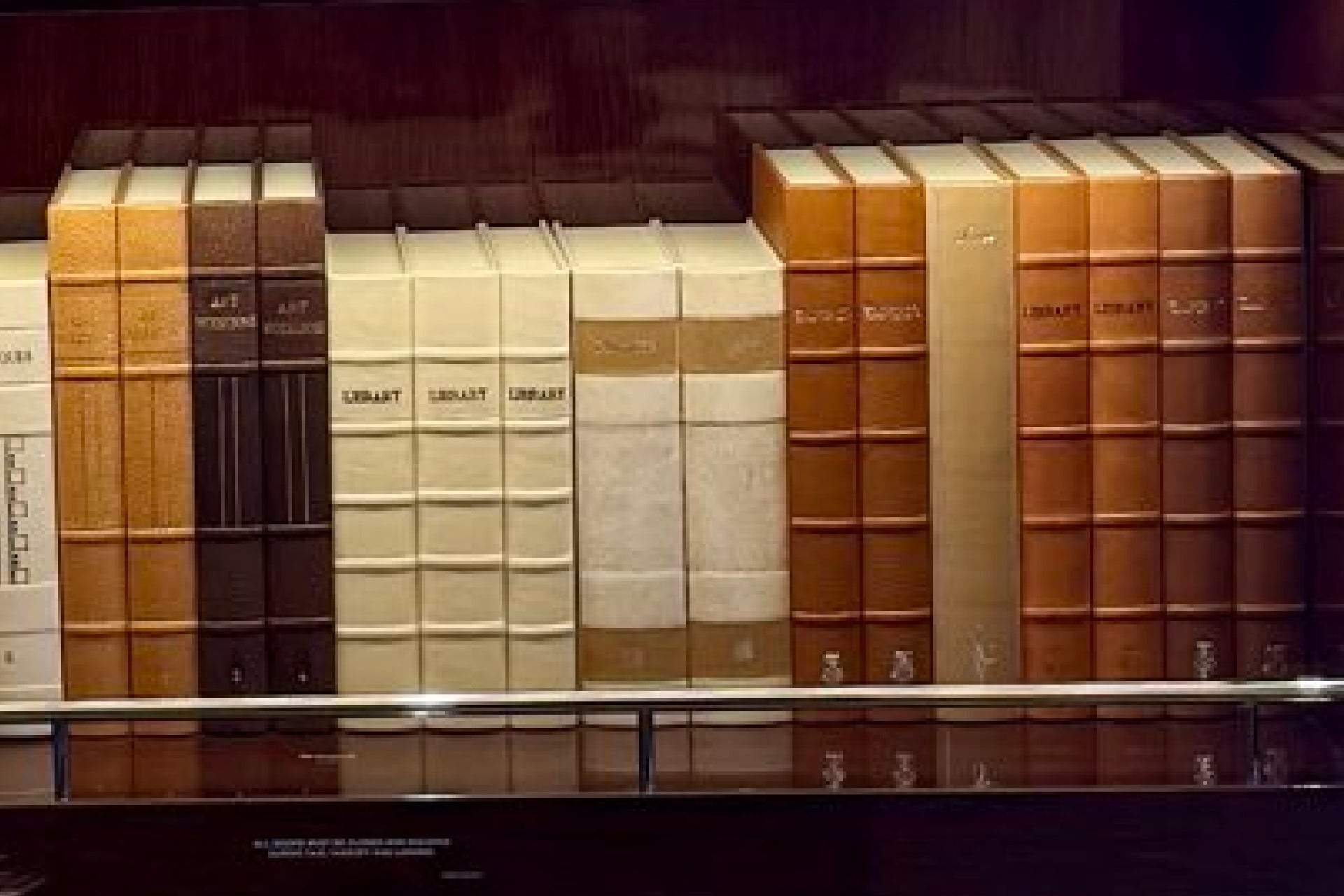
You can see the shelf in the background — the spines read “Library,” “Arts,” “Architecture.”
The close-ups are gloriously mundane: giant block-letter titles, no author names, no publishers, just generic categories repeated across several spines. Those spines read less like books and more like museum placards. People online mocked the absurdity — Arts as a novel title made Twitter snark blossom — and the thread hardened into a real question: were we looking at prop books or at an AI-generated image?
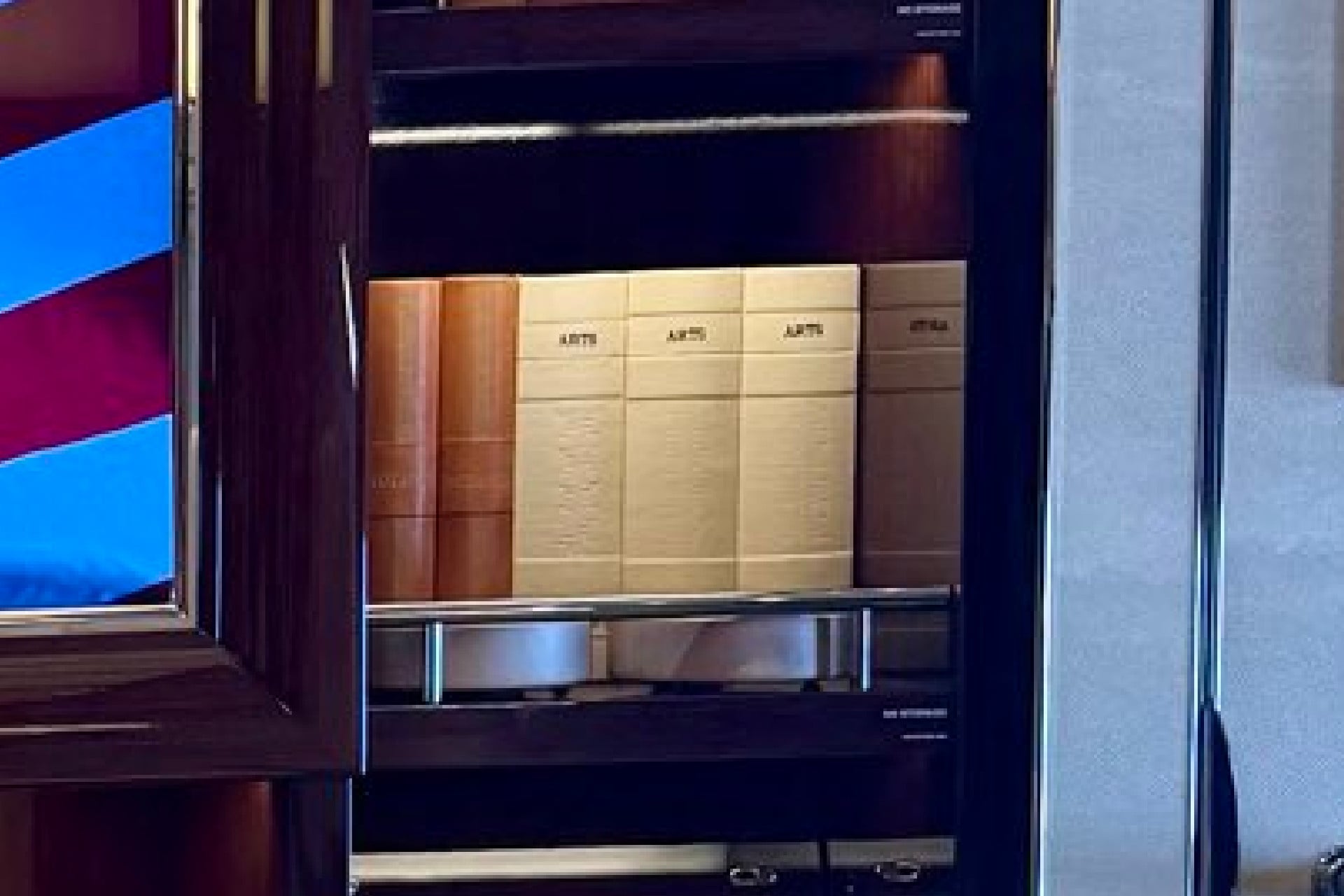
Are the books on Air Force One real or AI-generated?
I ran the image through Google Gemini to check for a SynthID watermark. SynthID is Google’s invisible tag that marks images generated by Google’s image tools. Gemini reported that the watermark was not present.
That answer is useful and limited. SynthID only catches images produced with Google’s systems; it does not flag content created by Midjourney, Stable Diffusion, OpenAI’s image models, or other proprietary tools. So Gemini cleared one path but left several others open. Given there’s no obvious need to fabricate this particular photo, the simpler explanation is physical decor: decorative, mass-produced mock-books meant to read as “library” from a distance.
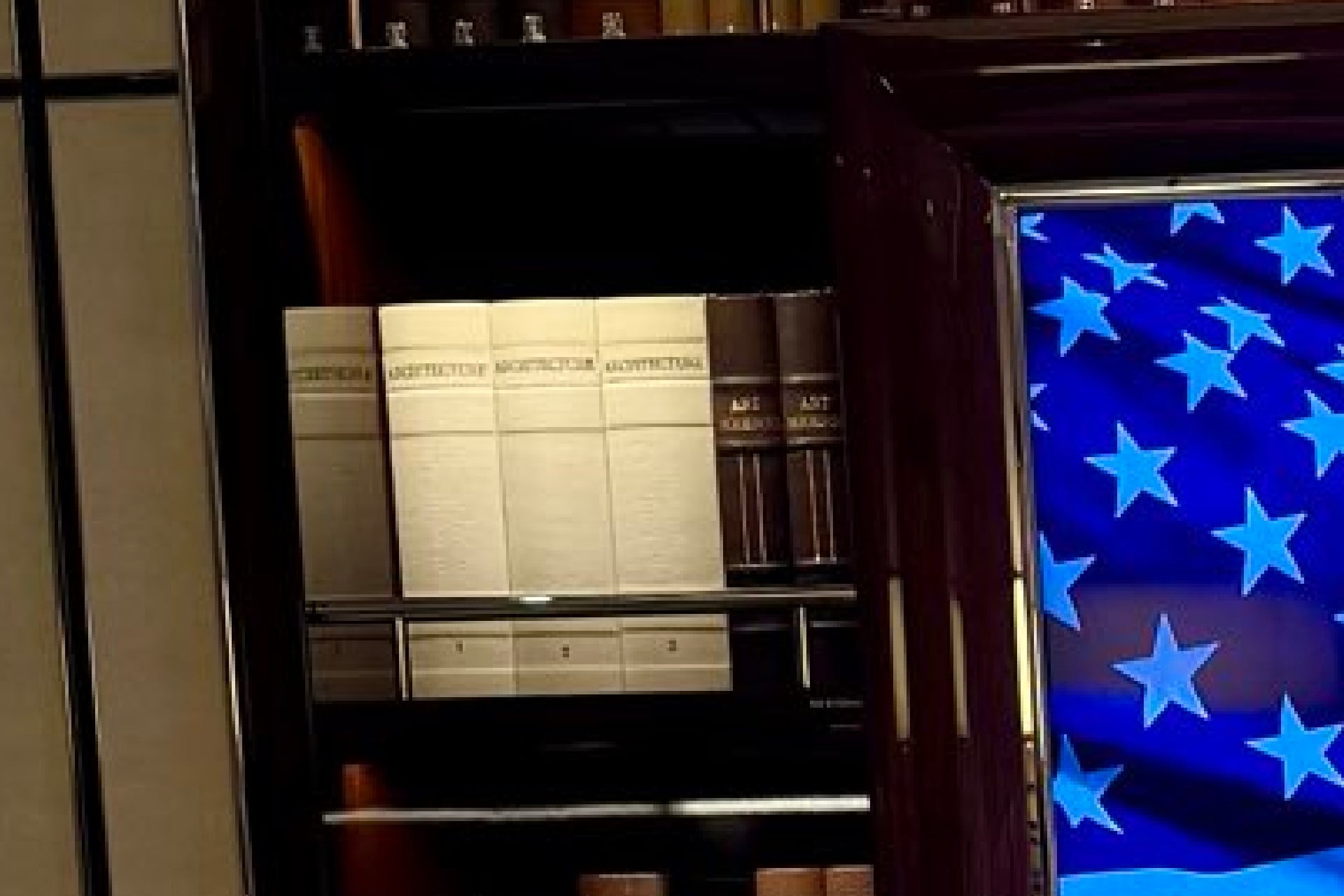
Gemini said there was no SynthID watermark when the image was checked.
That result tracks with what Gizmodo and other outlets reported: no Google watermark, which narrows the field but does not close it. You have to keep in mind that AI detection is a patchwork. Tools like Gemini, TinEye, and reverse-image search can point you toward provenance. But they do not substitute for on-the-ground verification — photographers, timestamps, metadata checks, eyewitness photos — and CNN’s reporting exposed a clear example when an AI-generated eagle posted on Truth Social was contradicted by independent photographers.
Given the absence of a SynthID marker, the visual oddities, and the lack of motive to artistically fake an Air Force One snapshot, the most plausible reading is physical prop-books placed for aesthetics. They are a veneer of stagecraft on a presidential set.
How can I tell if an image was made by AI?
Start with Google Gemini for SynthID checks. Then run reverse-image searches (Google Images, Bing, TinEye). Look for repeated patterns, unnatural textures, odd shadows, or impossible reflections. Check for metadata if available and cross-reference independent photos from journalists or agencies like CNN. No single tool is definitive; you combine signals to build confidence.
People quickly mocked the titles and compared the image to other suspicious posts from the administration.
Social media amplified skepticism within hours. Trump himself posted an AI-flagged eagle on Truth Social that Gemini identified as AI, and CNN verified photographers did not see that eagle. That pattern — optimistic posts, quick pushback, then forensic checks — explains why users treated Leavitt’s photo with suspicion even before any technical test.
There’s a political angle, too: a gifted aircraft and anti-bribery norms create a tension in public trust. When presentation is so theatrical, trust erodes faster than facts can catch up.
Why would the White House use fake books on Air Force One?
Design teams use decorative books to create warmth and gravitas in small spaces. They are cheaper and more secure than actual rare volumes, reduce risk of spill or theft, and control the aesthetic seen on camera. It’s theatrical, but not new: interiors in film and on sets have long used props for the same reason.
I’ll tell you plainly: the photo does not show traces of Google’s SynthID, and there is no independent evidence the image was manufactured by other AI tools. The odds favor physical, mass-produced prop books — absurd, literal, and a little comical. But in an era when a President posts an AI eagle and an administration is photographed aboard a gifted jet, what we see and what we believe are two different currencies — which one are you willing to spend?