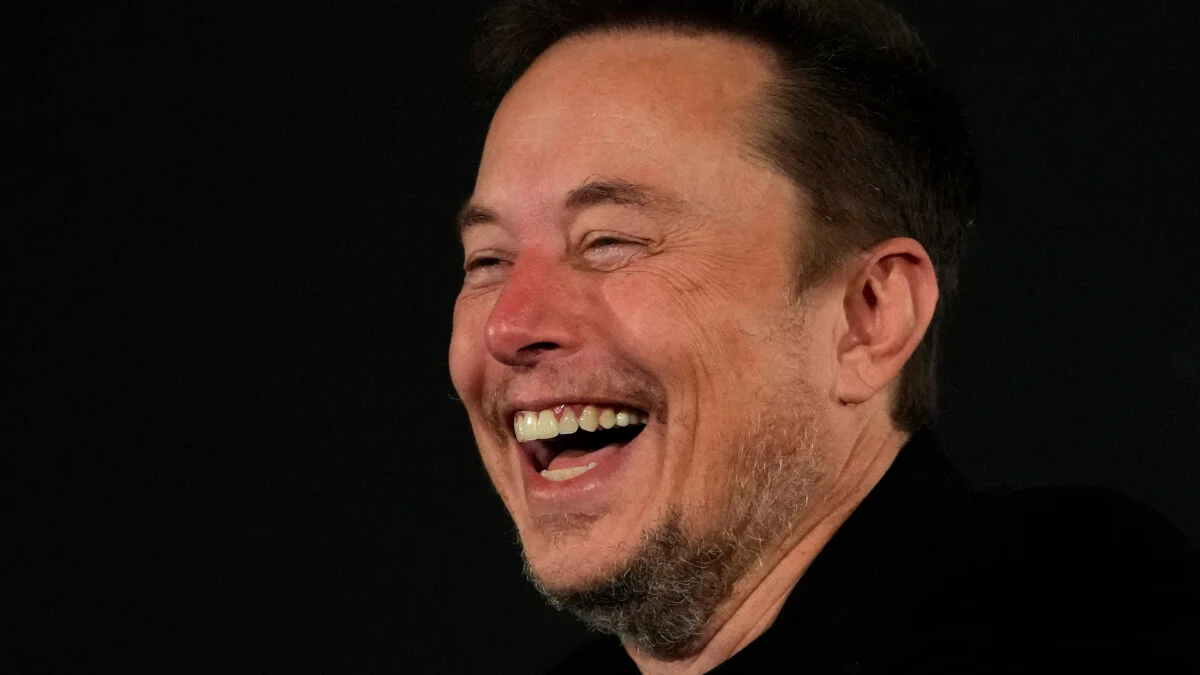
I was watching a short clip of an AI demo when a detail landed like a cold step in an empty room: Elon Musk quietly acquired a company that runs mobile gas turbines. There was no press release, no tweet storm—just an FTC filing and a thread from Electrek. You can feel the gap between what he says about carbon pricing and what his balance sheet now owns.
I flagged his permit for dozens of turbines earlier this year, and you should know I follow these threads so you don’t have to chase them. I want you to see how small filings and silent purchases redraw the map of power—literal and political.
APR Energy filed a change of ownership in May, then the public saw almost nothing
The FTC early-termination notice names Elon Musk the individual as the buyer. That single line is the loudest clue: this is personal ownership, not a SpaceX or Tesla acquisition. The company provides mobile, gas-powered turbines used to generate electricity where grids are strained or absent.
Electrek flagged the purchase and estimated APR Energy at about $1 billion (€930 million). APR lists roughly 800 employees and a YouTube channel that now feels oddly timely. The absence of a press announcement is not innocence; it’s a strategic choice that compresses public scrutiny into a very small window.
Did Elon Musk buy APR Energy?
Yes. Documents posted on the FTC site confirm the acquiring party is Elon Musk as an individual. That matters because the legal and public relations fences around individuals differ from those around corporations like SpaceX or Tesla. When you hold an asset personally, you change the signals investors, regulators, and journalists read.
The company’s fleet of turbines is built for rapid deployment, and that changes how power gets contracted
APR sells mobile gas turbines that can spin up and feed a grid in short order. Those machines are the sort of gear data centers rent when they need capacity fast—or when a new AI cluster needs reliable, on-demand juice.
I mentioned earlier this year that permits for dozens of gas turbines had crept into filings tied to data centers supporting models like Grok. The purchase now connects the supply chain: operator buys generator fleet, operator can move capacity where money and latency demand it. This is not theoretical; it is infrastructure being placed on the chessboard.
Why would Musk buy a gas turbine company?
There are three blunt motives you should weigh: power security for sprawling data centers, hedge against grid fragility, and a revenue stream from emergency or short-term deployments. Owning the turbines flips the equation—rather than renting capacity when needed, you control a commodity that becomes more valuable whenever grids wobble or demand spikes.
The optics clash with past statements about carbon pricing, and that invites scrutiny
Back in 2014 Musk argued that the lack of a carbon price makes fossil fuels artificially rewarding. That sentence—public, clear—now sits beside a private purchase of a fossil-fuel energy firm. The contradiction is the story’s oxygen.
[…] because there’s no price on carbon emissions it makes things that are carbon-producing very rewarding, because the true price is not being paid. So if you’re a petrochemical engineer you can earn a tremendous amount of money, but you shouldn’t really be earning that huge amount of money.
If you read this as an ethical puzzle, fine. If you read it as part of a strategic playbook, also fine. The same operator who builds AI that can reduce energy waste can also own the short-term fix when power fails. One could call it pragmatism; another might call it opportunism.
Is APR Energy now part of SpaceX or Tesla?
No—at least not on paper. The FTC documents list Elon Musk the individual as the acquirer. That distinction matters for liability, reporting, and public perception. When assets sit under a person rather than a corporate umbrella, the pathways for scrutiny and redress are different.
There are immediate questions for regulators, clients, and local communities
Clients who rent mobile turbines—governments, utilities, telecoms, and data centers—will want clarity about maintenance, deployment priorities, and fuel sourcing. Regulators will ask about environmental impacts and whether a single high-profile buyer changes competitive dynamics.
The public-facing silence is a lever. When headlines are absent, narratives build in comment sections and trading desks. That empty space draws rumor, which is why official clarity matters more than ever.
I’ve been tracking permits, filings, and small corporate moves for years; you learn that quiet buys often do more to shape outcomes than loud headlines. This one ties a figure who preaches market discipline on carbon to ownership of a flexible fossil-fuel asset—an odd pairing that will ripple through policy conversations, AI infrastructure planning, and investor models.
So: a silent purchase, a checked-off FTC form, a YouTube channel that suddenly looks strategic—what happens next when power markets meet AI ambition?