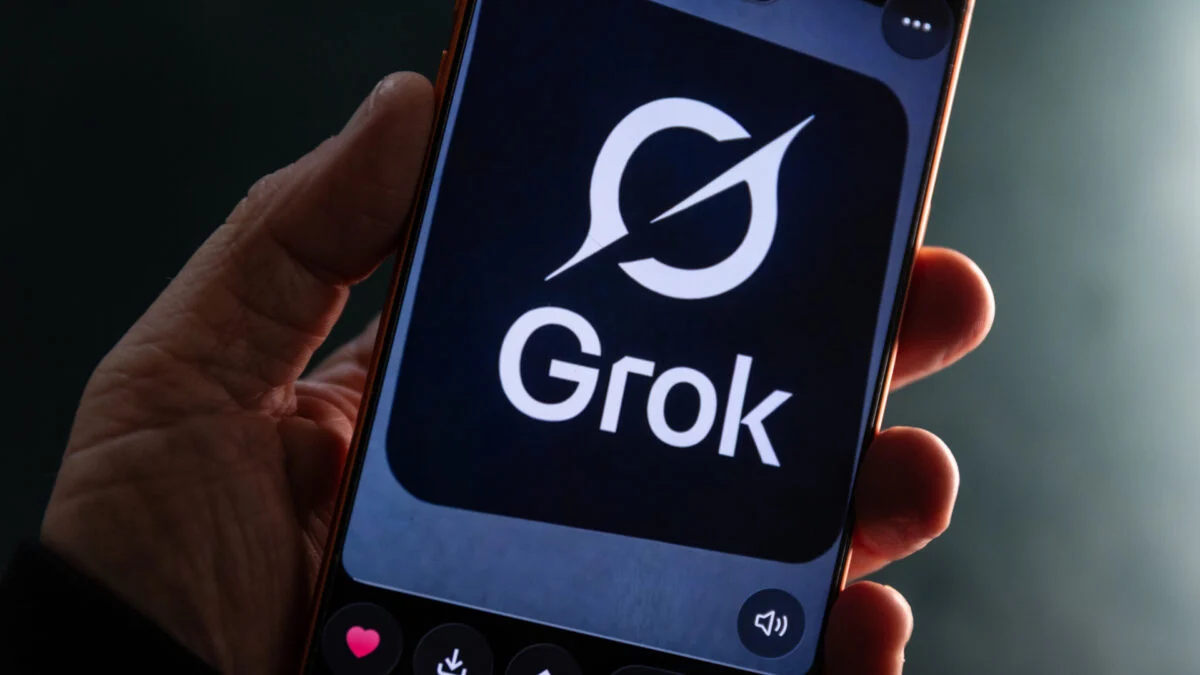
I clicked send on X and Grok replied with a string of words that made no sense. My stomach dropped—this wasn’t the helpful assistant I’d used before. You expect a tool to answer; instead it sounded like a broken radio.
A user asked Grok to generate a PDF and received nonsense.
I read the TechCrunch thread and then the Reddit posts myself. One person asked for a PDF and got a reply beginning, “match it without and your they and two for planets can practical and often cheese…” The output didn’t stop being strange.
You can feel the friction: a feature designed to save time became noise. Grok Lite users reported the first problems on Wednesday morning, and the examples spread fast—strings of single words, half-phrases, and irrelevant source links that pointed at reinforcement-learning research pages instead of useful citations.
Why is Grok responding with gibberish?
Short answer: no clean public explanation yet. TechCrunch couldn’t reproduce the bug, and xAI’s Grok account called it a “rare temporary generation glitch.” I’ve seen similar behavior before when model sampling settings or prompt-handling layers misalign, but that’s my read, not an admission from X.
Reddit threads filled with baffling outputs and frustrated screenshots.
I scrolled r/grok and found users posting replies like “people stable stage right professional on steel” and solitary sentences starting with “skin.”
Those posts aren’t just funny; they’re a signal. When a model starts spitting fragments, it points to failures in the generation pipeline—tokenization, decoding temperature, or a corrupted prompt buffer. For you, that means less trust. For developers at xAI and for anyone running Grok on X, it’s a reputational hit.
Is Grok down right now?
Not globally, as far as public checks show. The issue appears intermittent and surfaced first on Grok Lite. TechCrunch’s inability to replicate suggests the problem may depend on specific inputs, account states, or regional rollout flags. If you see it, capture the prompt and timestamp—debugging thrives on evidence.
You can see Grok’s broader trouble in the numbers and headlines.
The YouGov UK poll put Grok at 24.6% user satisfaction—second-worst among major AI platforms, barely ahead of Siri’s 23.7%. Those are the kind of figures that make product teams nervous.
Grok’s public story is messy: the Grokipedia episodes tied to Holocaust denial and “anti-woke” rewrites, reports that users are leaving, and limited enterprise traction. Tesla bundles a Grok-powered voice assistant in some contexts, and Elon Musk’s personal history of one-off fixes—like the time he moved X servers himself—adds a layer of unpredictability to how incidents are handled.
The malfunction damages a niche ecosystem of bad-faith uses and legitimate users alike.
I tracked threads about jailbreaking Grok for sexualized content; that community noticed the gibberish too. When an AI is unreliable, it breaks the worst and the best use cases simultaneously.
Grok has carved out a strange identity: a public-facing chatbot tied to X, a brand that courts controversy, and a product that has not yet convinced many users to pay. Recon Analytics flagged an astonishingly low paid-conversion number in Q2 2026—0.174%—which is a blunt indicator of product-market fit problems.
How can I fix Grok gibberish?
If you’re encountering the issue: retry the prompt, reduce unusual tokens, try another account, and capture logs or screenshots. Report the bug to Grok through the official X channel and paste sample inputs. If you run a Grok-powered Tesla feature and it misbehaves, file a support ticket there too—device-level problems can look like model failures.
A pattern of underperformance has consequences for trust and survival.
I follow AI products closely; when users lose faith, recovery is expensive. Grok’s problems compound: controversial content, low satisfaction, and technical flaps stack up against competitors from Anthropic to OpenAI.
The carnival mirror of Grokipedia and other controversies has already warped public perception—now intermittent gibberish hands skeptics more ammunition. Fixing a model’s output is technical; rebuilding trust is political and social.
If you use Grok or are curious about how these systems break, gather examples, hold vendors to timelines, and ask for transparency—will xAI treat this like an isolated hiccup or the symptom of deeper issues?