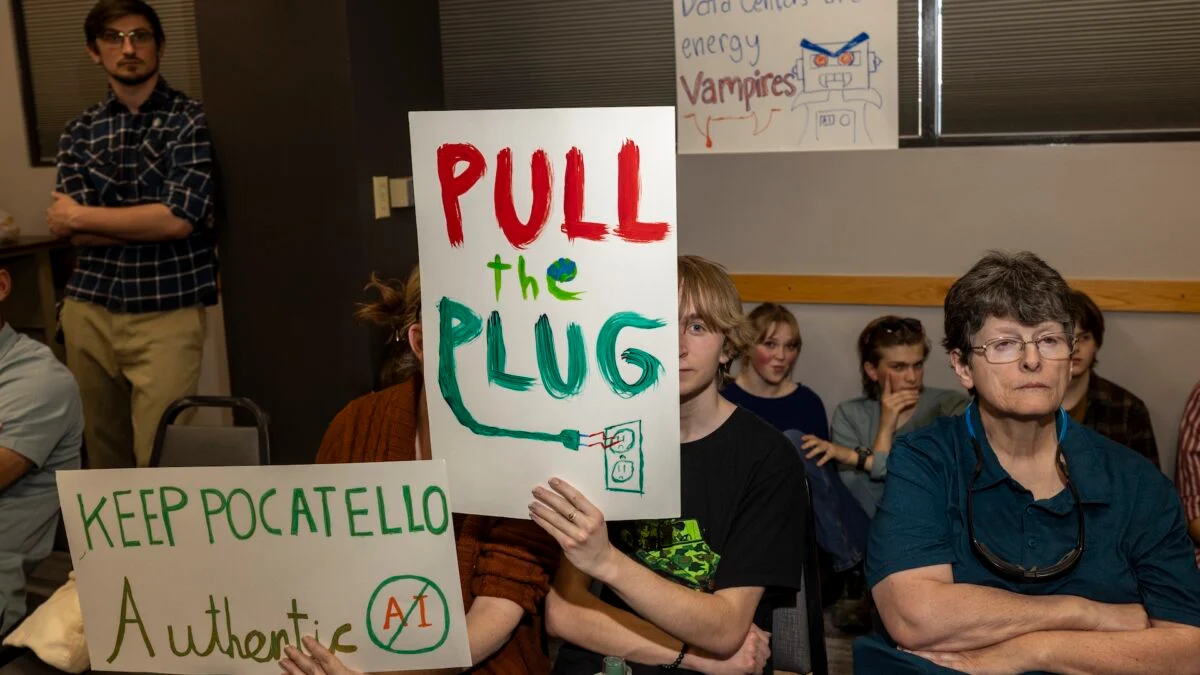
I watched the livestream as a woman wearing a school ID clapped once and the room snapped to attention. You could see four officers close in; she was forced to the floor, handcuffed, and carried out. That single clap detonated a months-long fight over data centers, corporate power, and how city halls respond to protest.
I’ve covered city meetings and tech fights long enough to tell you that small moments reveal big fault lines. You’re about to see how one teacher’s gesture exposed a political pattern and what it means if your town is next.
At the July Emporia meeting, a physics teacher was handcuffed for applauding — the footage went viral.
Lux Claridge, a 37-year-old physics teacher, stood to applaud an anti-data center speaker at the Emporia, Kansas commission meeting on July 22. Minutes later, officers forced her to the ground, cuffed her, and booked her into Lyon County jail on disorderly conduct and interference with law enforcement.
The city had warned protesters to refrain from “clapping, snapping,” or other “rude and disruptive” behavior ahead of the meeting about a proposed 1,000-acre hyperscale data center. The arrest prompted national coverage from Politico, Futurism, PCMag, Vox, and local outlets like 404 Media, and it turned a local planning dispute into a test of how officials police dissent.
Why was the teacher arrested for clapping?
The short answer: Emporia commissioners said Claridge violated meeting rules after repeated warnings. The longer answer: officials were running a meeting about a massive corporate project and had chosen strict decorum as their control lever. Claridge’s single clap became the public symbol of those limits — and a catalyst for backlash when video went online.
The city pushed the vote, then moved meetings online — public comment will resume on September 2.
After the arrests, Emporia commissioners passed a zoning change to allow the data center and shifted to virtual meetings citing “public safety.” Public comment is scheduled to reopen September 2, and citizens will have two months to make their case before a November vote that could ban centers outright.
If you live near a proposed site, this is where the stakes are clear: zoning laws, tax incentives, and promises of local jobs collide with concerns about energy use, water consumption, and corporate influence. Big cloud providers — Amazon Web Services, Microsoft Azure, Google Cloud — and chip makers like Nvidia and firms such as OpenAI drive demand for hyperscale facilities that require huge power and cooling footprints.
The politics are raw. Polls reported by PCMag and analyses from Vox show Americans increasingly distrustful of data centers and AI industry growth, and an anonymous AI company rep told Politico that economic anxiety plus soaring wealth among tech elites will make AI and its infrastructure a major election issue.
How do data centers affect local communities?
They promise jobs and tax revenue but bring intensive energy demand, zoning shifts, and sometimes secretive incentive deals. Communities see new substations, pipelines, and impermanent construction jobs while long-term hiring often favors specialist technicians flown in by contractors. For towns weighing offers from hyperscale operators, the math is rarely straightforward.
The charges were dropped without prejudice — a procedural win, but not the end of the fight.
On Monday, Emporia dropped the charges against Claridge without prejudice, meaning the county could still choose to refile. Claridge told 404 Media she’d been informed by her attorney and joked she was “in the clear unless the county is feeling froggy.”
The dismissal is a small victory that shifted momentum back to residents. I’ve seen cases like this before: public pressure and viral footage force soft reversals, but the larger policy choices — zoning, tax breaks, who gets to speak — stay on the table. The arrest itself became a magnet for outrage, litigation risk, and media attention that likely accelerated the city’s decision to back off.
Can charges be dropped after an arrest at a public meeting?
Yes. Prosecutors can decline to pursue charges or dismiss cases after review; “without prejudice” allows for refiling. Civil remedies are also possible — if someone argues their free-speech rights were violated, they can seek legal relief. If you’re involved, consult counsel quickly: evidence, witnesses, and the public record matter.
The viral clip turned a local policy debate into a national example of how communities push back against projects that promise corporate profits more than local benefits. The reaction was fierce because people are already squeezed economically and resent the concentration of wealth among tech leaders and large firms.
The atmosphere around these battles is tense — like a pressure cooker — and every small action can change the pressure gauge. When citizens demand public hearings and officials respond with arrests or heavy-handed rules, the story rarely ends quietly; it becomes a test of civic power, media leverage, and legal limits.
I’ve watched mayors and commissioners try to shepherd deals that look tidy on paper but fracture in public view. If you want to influence the outcome, show up, record meetings, and link your local fight to national coverage from outlets like Politico, Futurism, and regional press — public attention is often the most powerful check against overreach, a lighthouse in fog.
So who wins when a teacher’s clap becomes a national story: the community that forced a rethink, or the corporations waiting for a zoning stamp — and what will you do if your city faces the same choice?