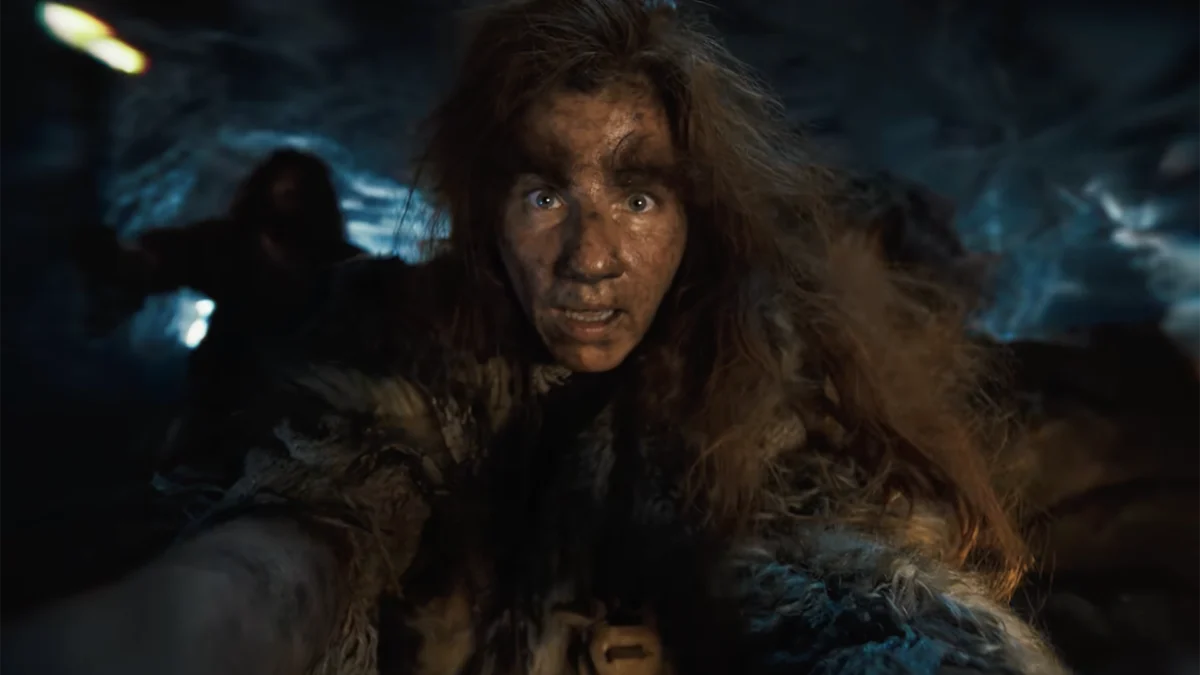
I was midway through the Humankind 2 trailer when the chat lit up: “That’s AI.” You paused the frame at 0:36 and felt the same small alarm—sharp, wrong, convincing. I’ve been following these arguments long enough to know that alarm is both symptom and story.
Let me be blunt: you and I both rely on instincts here. But instincts are messy. They can protect you from fakery and also burn honest creators alive on the altar of suspicion.
At Gamescom, the trailer landed like a flash of static
The 90-second clip premiered on opening night and the reaction was instant—accusations, threads, and a flurry of “AI slop” hot takes across Twitter and Reddit. You can see why: a handful of shots feel not wrong but oddly sterile. Amplitude Studios insists the trailer was live-action, shot at Nu Boyana Film Studios in Sofia with real actors, practical sets, and custom props. They promised behind-the-scenes images; folks waiting for proof are still clicking refresh.
This is where platform context matters. The trailer lives on Steam and YouTube, where compression and streaming artifacts act like a bad witness—telling a story that isn’t exactly the one the filmmakers intended. YouTube’s aggressive bitrate juggling and Steam’s encoding can eat subtle texture, turning a deliberate choice into a red flag for viewers primed to suspect generative frames.
Did Amplitude use AI in the Humankind 2 trailer?
Short answer: we don’t know for certain. Amplitude hasn’t claimed zero AI use, and modern productions routinely use machine tools for cleanup, de-noising, or environment extension. That doesn’t automatically mean the footage was “generated.” I’ve seen shoots that mix live plates with heavy CGI and still pass as wholly practical to casual viewers.
What matters is transparency. When a studio names Nu Boyana, Gamescom, and live actors, they anchor the narrative in concrete production practices—but the internet’s court of public opinion runs on screenshots, not receipts.
You can freeze one frame and the alarm will still sound
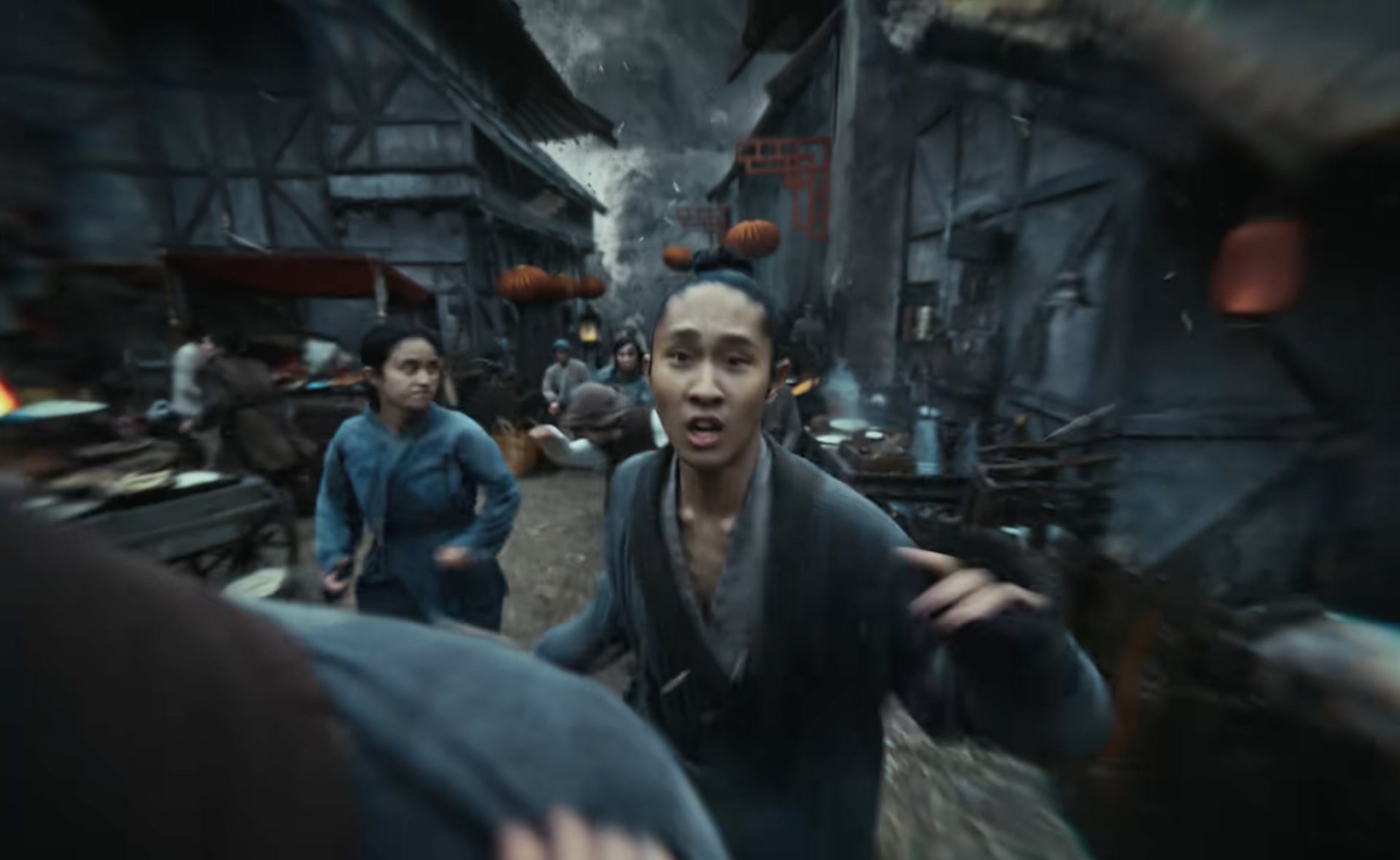
Pause the runner sequence at roughly 0:35 and you’ll notice an unnerving consistency: the actor is almost always in perfect focus; background edges blur in a way that feels calculated. That’s not how most handheld or fast-moving practical lenses behave without a lot of light and carefully rigged focus pulls.
Game cameras are almost always razor-focused unless motion blur is explicitly added. The trailer borrows that crispness—so much so that it looks like watching The Hobbit in 5K 3D at 48 frames per second. The effect is oddly familiar and oddly wrong, and your brain flags the mismatch.
How can you tell if a trailer was made with AI?
If you want tactile clues, watch for how focus behaves across motion, how skin texture reacts in compression, and whether secondary elements (hair, hands, reflections) hold natural micro-variations. AI generation often struggles with micro-details and the imperfect choreography of crowd shots. But that standard is brittle: modern compositing and CGI can mimic those micro-variations closely enough to fool most casual viewing.
I advise you to treat a single visual quirk as a signal, not proof. It’s a pattern you assemble across multiple frames, sources, and—ideally—behind-the-scenes evidence.
The accusation economy is changing how creators work
There’s an emotional cost here. When skepticism becomes the default, every honest production risks being misread. You can do everything by the book—hire actors, build sets, rent a studio—and still be called out as a generative cheater because of lighting choices, focus, or upload artifacts.
That environment pressures studios to over-explain, post BTS stills, and sometimes preemptively flag tool usage. It also hands power to a binary test: you know it when you see it. But “you know it” is a blunt instrument that shrinks nuance, and that shrinking changes incentives for directors, VFX houses, and indie teams who can’t afford PR fights.
A technical anatomy of the uncanny
Real cameras require light and mechanical focus. Hold deep focus through motion and you need either a very small aperture with tons of light or sensor tricks that don’t behave like old lenses. The trailer’s shot selection—central elements surgically sharp, edges smeared—reads like a composited frame or an intentionally post-processed plate. Compression then adds the final insult: blocky edges, washed micro-contrast, and haloing around high-contrast pixels.
Steam and YouTube encoding can turn a careful composite into a suspicion magnet. Add to that our shared cultural memory of generative failures (bad fingers, melting signs) and you have a perfect storm where reasonable creative choices end up branded as fake. The footage sits unnervingly like a wax museum under a spotlight.
Why do some AI videos feel uncanny?
People sense inconsistencies the way we sense sour in food—subtle, automatic, and difficult to articulate. AI often nails big shapes and color but still fumbles temporal continuity and micro-imperfections. That gap between plausibility and fluency is the uncanny valley in motion: it’s technically impressive but emotionally off.
Where we go from here
We need better signals. Studios should publish making-of reels. Platforms like Steam and YouTube could offer metadata tags for productions that used generative tools for specific tasks. Industry figures—from Amplitude to Sam Altman—should help set norms so suspicion doesn’t become censorship by default.
You and I can do our part by demanding proof before verdicts, and by learning to read technical telltales without weaponizing them. Credit must be earned with evidence, not mob certainty.
So what happens when suspicion becomes the default currency for creative work—do we protect truth or punish craft?