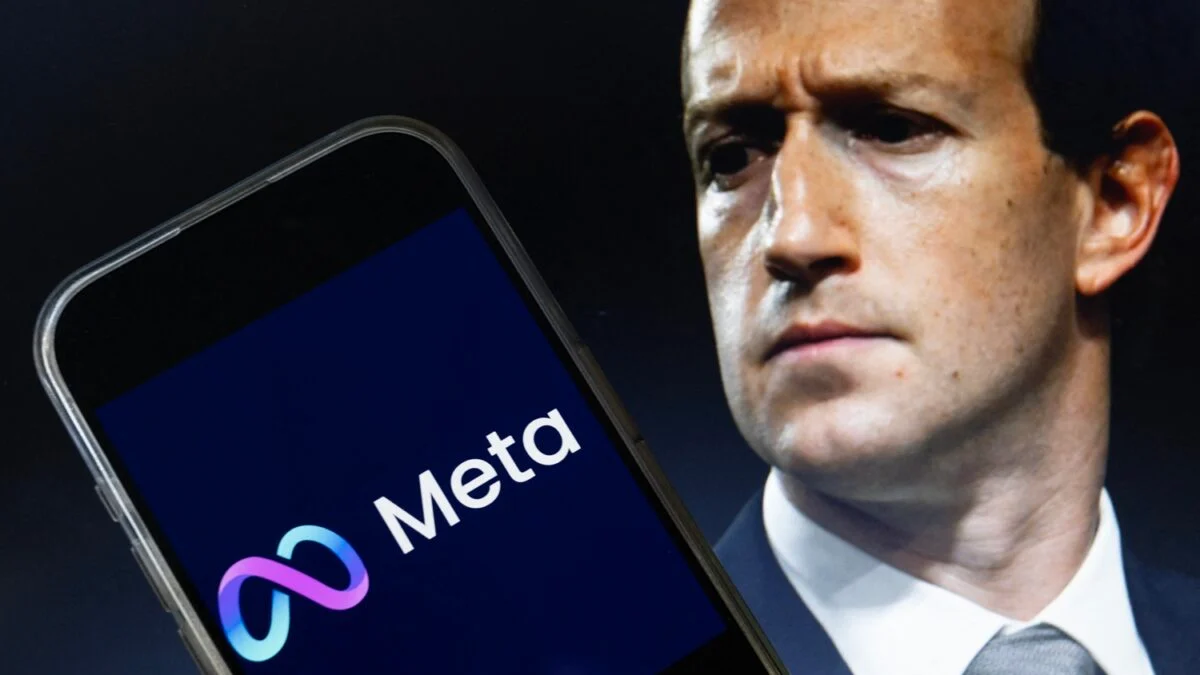
It was a quiet Thursday until a press release lit up my feed and a senior researcher walked out the next day. You felt the jolt: Muse hit the market and then Andrew Tulloch quietly exited Meta. Meta’s new product launch was a neon billboard for ambition.
I’ve been following this beat long enough to tell you when a departure is routine and when it smells like something larger. Tulloch’s résumé — Perth to Cambridge, math at the University of Sydney, co-founder of Thinking Machines Lab — reads like a who’s who of modern AI. His own site even lists his role as “working on superintelligence.”
Muse went live yesterday — the day after Tulloch’s reported exit
Muse, Meta’s agentic AI platform, shipped yesterday aimed at mainstream tech users rather than just devs or researchers. The product promises agentic workflows and coding-capable assistants and has been compared to what some call OpenClaw or other agent frameworks.
You should know the timing: people inside and outside Meta noticed that Tulloch’s departure was filed the day after Muse’s release. That sequencing raises questions about internal strategy, morale, and whether a flagship launch masks quieter churn at the company’s AI core.
Why did Andrew Tulloch leave Meta?
Publicly, nobody is giving a tidy explanation. Semafor reports the exit but offers no clear reason, and Meta didn’t provide details beyond routine comment. Andy Stone, a Meta spokesperson, called earlier reporting about a massive recruiting offer “inaccurate and ridiculous,” which only deepens the rumor mill.
Mark Zuckerberg reportedly offered massive pay — the story that made Tulloch a legend
A Wall Street Journal piece from roughly a year ago pushed a narrative that added to Tulloch’s mystique: when Thinking Machines Lab resisted acquisition, Zuckerberg allegedly moved to recruit staff individually. According to that account, Tulloch was once offered a package that could have been worth $1.5 billion (about €1.4 billion) over six years depending on bonuses and stock performance.
He did sign with Meta about ten months ago, per reporting, though the actual compensation has never been publicly confirmed. You can judge the optics yourself: a sensational compensation rumor, then a hire, then a quiet exit shortly after a major product drop.
How much was Tulloch actually paid by Meta?
Short answer: unknown. The WSJ story created the headline number, but Meta disputes that framing and details are scarce. Compensation in Silicon Valley can be architecture: base pay, stock grants, performance bonuses and cliffs — the public numbers often miss the fine print.
A researcher left Anthropic the same day — the industry is jittery
Another reality: an Anthropic researcher announced their departure yesterday too, and that triggered online alarmism about the speed of AI progress and safety priorities. Names like Dario Amodei and platforms like OpenAI, Anthropic, Scale AI and Meta circulate in the same breath when people debate whether companies should throttle research or sprint forward.
That cluster of exits and pronouncements is not proof of a centralized reckoning, but it is a pressure cooker of questions about incentives, governance, and what senior researchers prioritize when trade-offs appear.
Tulloch’s background and where he worked inside Meta
Tulloch grew up in Perth and studied math at the University of Sydney and Cambridge; his personal site is public and candid about ambitions. He was placed in Meta’s TBD lab inside Superintelligence Labs, a group Semafor describes as central to Meta’s AI push, working under Alexandr Wang (co-founder and former CEO of Scale AI), and alongside leadership that reports to Zuckerberg.
That positioning matters. When someone working on “superintelligence” leaves, you and I read it not as a personnel blip but as a signal about how senior researchers evaluate risk, reward, and institutional direction.
What the exit says about AI hiring and the market
Hiring in AI has been theatrical: mega-offers, rapid pivots, and headline-grabbing joiners and leavers. The Tulloch arc — high-profile recruiting stories, a later hire, and now exit — is a crystallization of that era.
I want you to watch two things: where Tulloch lands next (if he surfaces publicly) and how Meta frames internal continuity. Names and platforms matter here — Thinkng Machines, Meta, Muse, OpenAI, Anthropic — because each move reshuffles talent and narrative momentum.
Sources: Semafor’s report on the departure; the Wall Street Journal story on the recruiting saga; Tulloch’s personal website; and ongoing coverage from outlets such as Gizmodo and Yahoo Finance. I’m tracking responses from Meta and will update when there’s official word.
One last thought: a neon billboard and a pressure cooker can both dazzle — but which one do you think this exit actually signals for the future of big-company AI research?