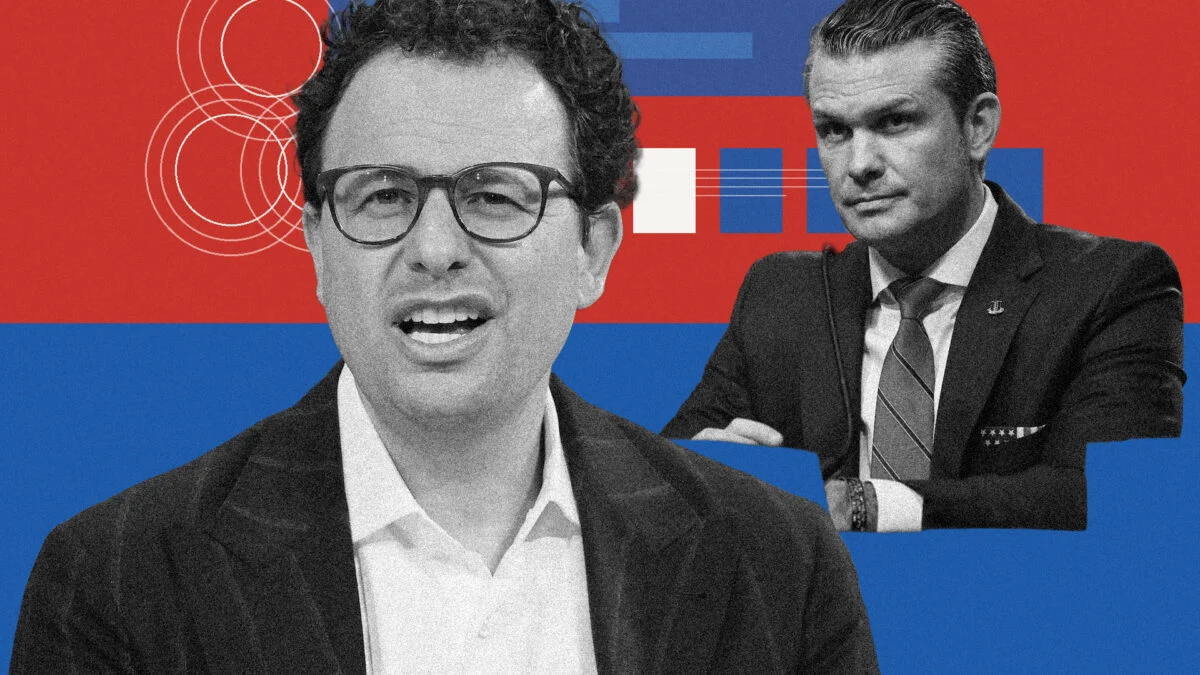
We were three rows back when the opinion dropped: a crisp 2–1 from the D.C. Circuit backing the Pentagon’s move to brand Anthropic a national security supply-chain risk. I felt the room pivot—what had been a private contract fight suddenly became a public crossroads for AI and the military.
I’ll walk you through what the judges actually said, what Anthropic can do next, and why this matters for the companies you watch and the models you use. You don’t need legal training to see how this will ripple through boards at OpenAI, Nvidia, Google, Meta and every lab that builds frontier systems.
A judge’s pen fell in a courtroom — What the ruling did, in plain terms
The D.C. Circuit, in a 2–1 decision written by Judge Gregory Katsas (a Trump appointee), held that the government acted lawfully when it labeled Anthropic a supply-chain risk. The majority said Anthropic’s refusal to accept a contract term the Pentagon called essential could justify the blacklist that bars the company from partnering with federal contractors and the military.
That ruling stands even though a separate federal judge in San Francisco had already found a different government designation unlawful. Anthropic now faces a choice: ask the panel for a rehearing or press the case to the Supreme Court.
Can the government ban a company from federal contracts?
Short answer: yes — but only if the agency follows the statutes that give it that power and ties the action to military or national security risks. Here, the appeals court concluded the blacklisting fell inside that statutory scope. The dissent disagreed, and Anthropic argues its First Amendment rights were violated; expect those lines to be tested again.
A lobbyist’s whisper at a defense dinner — The contract fight that started this
In July last year Anthropic signed a $200 million (€185 million) agreement with the Pentagon to prototype advanced AI for defense purposes. That deal, and later communications, are now central to whether the company can be treated as a supply-chain threat.
Public allegations have piled on: The Wall Street Journal reported Claude was used during a U.S. operation in Venezuela. Anthropic’s CEO Dario Amodei insisted the company would not allow its models to be used for domestic surveillance or fully autonomous weapons — a stance Secretary of War Pete Hegseth called “arrogance and betrayal.” Donald Trump amplified the fight on Truth Social, ordering federal agencies to stop using Anthropic tools.
What does “supply chain risk” mean?
It’s not a newspaper headline; it’s a legal label that lets the government block firms from government work when it believes national security is at stake. The Pentagon framed Anthropic’s refusal to accept certain contract terms as such a risk. The court sided with that framing, even while a parallel designation was struck down elsewhere.
A closed door and an open question — How Anthropic has responded and what lawyers say
Anthropic filed two lawsuits claiming the label violates its First Amendment rights and is unprecedented. The company told reporters it “respectfully disagree[s]” with the D.C. ruling and is exploring options, including further review. The legal clock now runs toward potential rehearing petitions and, possibly, the Supreme Court.
Practical fallout has already happened: the government ordered Anthropic to cut access to some of its most powerful models in June under an obscure export rule. Industry leaders from Sam Altman and OpenAI to Mark Zuckerberg at Meta and Sundar Pichai at Google are watching closely, and CEOs like Jensen Huang at Nvidia and Elon Musk’s SpaceXAI are recalibrating where they place development and contracts.
Think of the decision as a thunderclap in the AI ecosystem, and of contract language as a landmine that can blow up partnerships with one misstep.
Can Anthropic appeal to the Supreme Court?
Yes. The company can petition the Supreme Court after the appeals court issues a final judgment or seek en banc rehearing first. If the Supreme Court takes the case, we’d get definitive guidance on how far agencies can reach when they label firms as national security threats.
A parking lot conversation after a WH event — What this means for you and the market
Trade shows and White House dinners now look different: Anthropic absent from the Xi Jinping state dinner where leaders from OpenAI, Meta, Google, Nvidia and others sat with the president. That absence matters. Contracts, investor confidence, and partnerships will shift when a company is excluded from federal work.
If you follow AI commercially, the message is clear: government contract language can shape product roadmaps. If you follow AI as a citizen, the message is also clear: policy choices about surveillance, weapons and civil liberties are bleeding into corporate decisions faster than boardrooms can adapt.
There’s more to watch: whether the D.C. Circuit’s narrow holding becomes a blueprint other agencies use, how other labs respond to pressure from the Pentagon, and whether the Supreme Court will take the bait. So what do you think — will the blacklist chill corporate caution or hand the government a new playbook for controlling AI?
This week, Anthropic delivered a master class in arrogance and betrayal as well as a textbook case of how not to do business with the United States Government or the Pentagon.
Our position has never wavered and will never waver: the Department of War must have full, unrestricted…
— Secretary of War Pete Hegseth (@SecWar) February 27, 2026