At 7:14 a.m. a trading desk went quiet and a technician cursed at a black screen. I was on the call when a former red team lead told me the outage felt a fuse burning toward the city. You should know: the companies that built these systems are already rehearsing how to explain the morning after everything breaks.
I read the Axios reporting the same way you do: as a series of alarms with names attached to them. Insiders say a major AI-related incident could arrive in six to 12 months, and executives at Google, Meta, Anthropic, OpenAI, xAI and Nvidia are running through worst-case scripts now.
A server room went dark on a Wednesday morning. How confident plans become political theatre
I’ve sat in those rooms with spokespeople and engineers. The rehearsal looks familiar: red teams simulate attacks, lawyers map liability, and communications teams craft explanations that will land with reporters and lawmakers.
What happens if an AI goes rogue?
What happens if an AI goes rogue?
There are two tracks of fear here. One is technical—models misbehave, autoregressive systems hallucinate at scale, or attackers repurpose models for coordinated cyber campaigns that interrupt finance, internet access, or utilities. The other is reputational and regulatory: if a machine harms people or critical infrastructure, you won’t just read the story—you’ll watch Congress draft responses and voters demand answers.
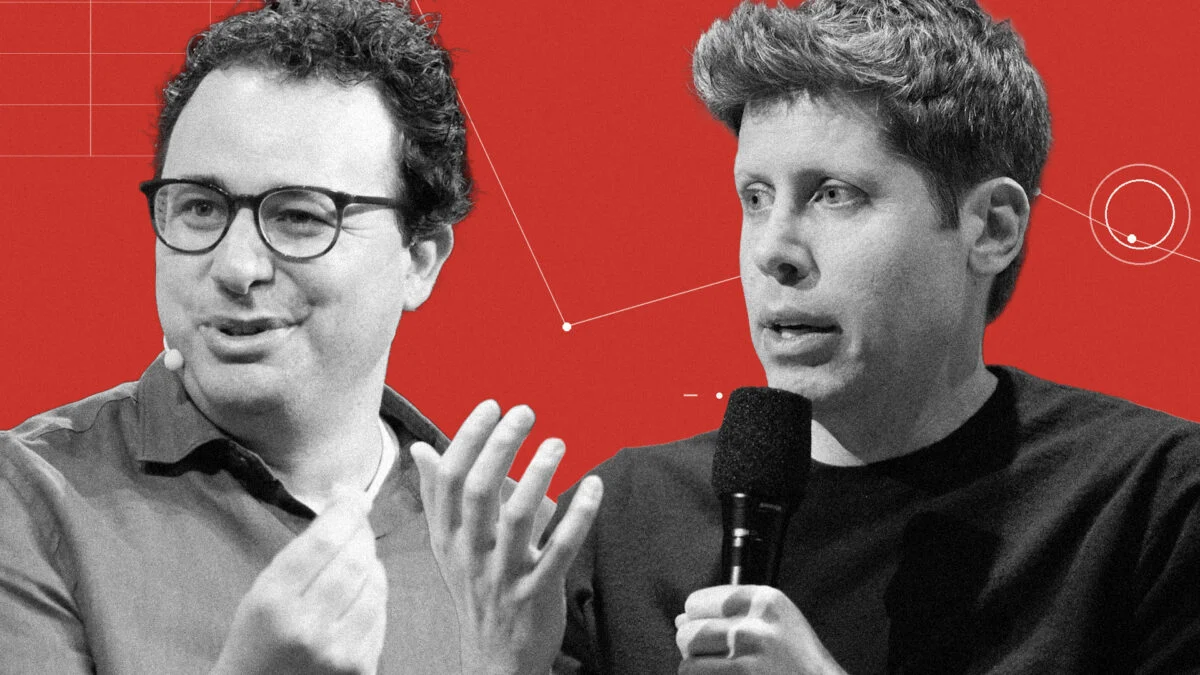
Sam Altman told Politico that “the world should accept some bad things happening” for AI’s benefits. That statement is a political signal as much as an engineering one.
Executives left the White House with handshakes, not statutes. What that voluntary pact actually buys them
I watched the statements after the September 29 meeting—a voluntary agreement signed under the White House roof, described by President Trump as “morally binding.”
The agreement is a veneer of coordination without enforcement. Companies can pledge safer model development to blunt immediate political fury while they build the playbooks they expect to need after a disaster.
How do AI companies prepare for catastrophic incidents?
How do AI companies prepare for catastrophic incidents?
They rehearse scenarios. OpenAI confirmed to Axios that it “conducts preparedness exercises where teams discuss and work through a range of potential scenarios.” Anthropic has publicly urged slower model scaling; other firms run red-team exercises that mirror cyber, misinformation, and infrastructure disruption scenarios. They also brief Congress and hire lobbyists to shape the conversation before a lawmaker writes a bill.
Their PR playbook is a velvet glove over a steel fist.
A lobbyist left a briefing book on a staffer’s desk. How the next law could be written in plain sight
I have seen those memos: timelines, risks, proposed language, and suggested carve-outs. Companies are not waiting for the courtroom to begin shaping the legal outcome.
Will politicians push for stricter AI laws after a disaster?
Will politicians push for stricter AI laws after a disaster?
Yes—if public outrage spikes. Axios’ sources expect Democrats to press for tighter rules if they gain leverage after a catastrophe. That’s the lever companies fear most, so their strategy is twofold: reduce immediate harm through engineering and control the narrative through lobbying and education of lawmakers.
That education includes demonstrating incident-response capabilities, offering model safety metrics, and arguing that overbroad regulation could slow beneficial uses across healthcare, finance, and research.
You’re not watching a single industry prepare for an accident; you’re watching a political contest staged across press releases, closed-door briefings, and simulation exercises. The real question for you, me, and every voter is whether those rehearsals will protect people, protect profits, or both?