
She plucks a can of tuna from the shelf and the little electronic tag beside it blinks. I watch a system designed to change that tiny light and, on paper, change the price next to your cart. You feel that quick shiver—because the patent says it can do exactly that.
I have followed Lindsay Owens’s work for months, and you should be paying attention too. You know the actors here: Owens, CEO of the Groundwork Collaborative and a relentless critic of corporate pricing; Dan Bartlett, Walmart’s executive vice president of corporate affairs and one-time White House communications director; and a stack of patents filed with the U.S. Patent and Trademark Office that read like a playbook for dynamic pricing.
In aisle 3, an electronic label quietly updates. The patent on the shelf that keeps the argument alive
Owens pointed to US11687872B2, a Walmart patent granted in 2023, and quoted the passage everyone is now reprinting: a customer using “scan and go” may have known items in their cart and “the price for other items the customer purchases may be varied based on what items are already in the cart.”
I read that paragraph and I don’t get lost in jargon. It is an instruction manual: detect a purchase pattern, change the price. That is a technical capability; it is also a moral question. Owning the recipe doesn’t mean you’ve cooked the meal, Bartlett argues. But owning the stove makes people anxious.
Can Walmart use patents for dynamic pricing?
Yes, patents describe capabilities. No, a granted patent doesn’t by itself prove deployment. That’s Bartlett’s play: patents are inventions on paper, not contracts with customers. Owens’s counter is practical: companies rarely patent technologies they don’t intend to use or test, and when a firm ties machine learning to shelf labels and to a digital assistant like Sparky, the line between theoretical and real starts to blur.
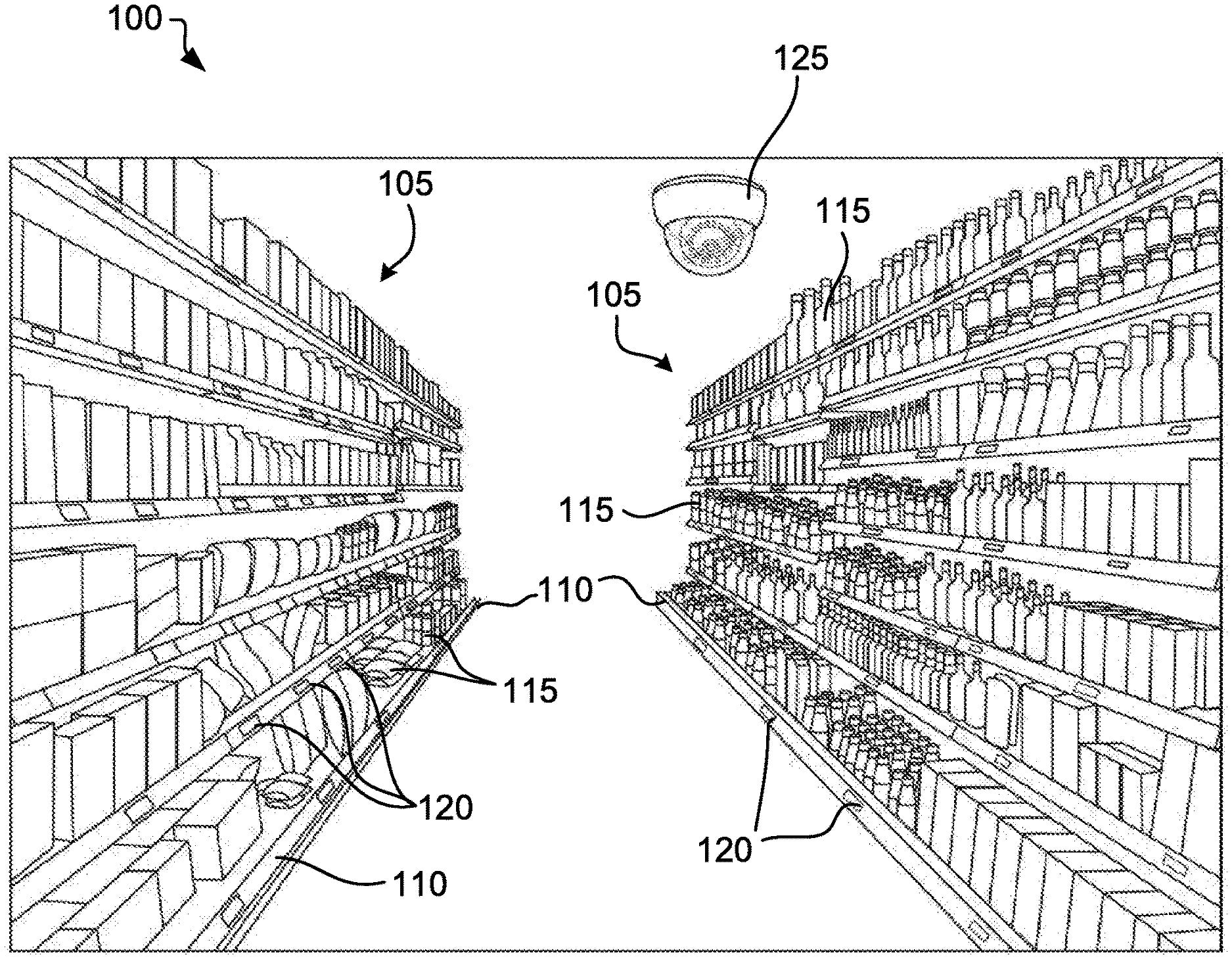
In an interview, she named tuna and mayonnaise. The public example that turned a file into a story
Owens used the tuna-and-mayo scenario repeatedly in interviews—from Jon Stewart to Gizmodo—to illustrate how a cart’s contents could nudge prices for related items. That phrase lodged in public imagination because it is simple and scary: you pick tuna, mayo climbs.
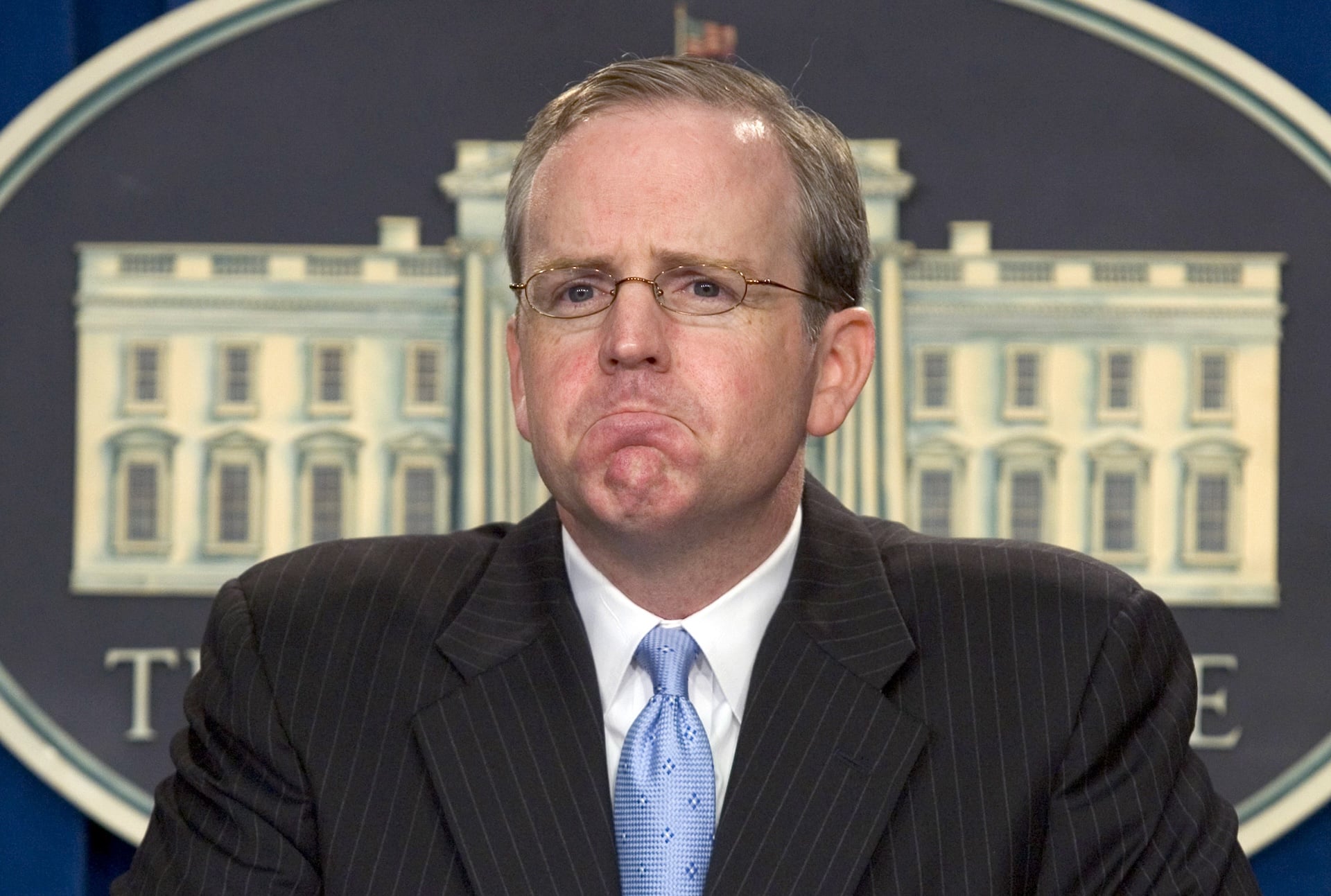
Bartlett pushed back on X, asking Owens to “correct the record.” He wrote that the company “does not do that, and we will not,” and that a patent “does not mean that Walmart has deployed a capability, used it with customers or decided to do so in the future.” Those are strong reassurances from someone who has spent a career shaping public messages.
Does having a patent mean a company will use the technology?
Not always. But patents are playbooks. Some sit unused; others are blueprints that guide experiments, vendors, and procurement. Policymakers and competitors watch patents for signals. When a company pairs shelf tags with machine learning and an assistant like Sparky—whose CEO, David Guggina, reportedly said customers who engage with the assistant see average order value jump 40%—it reads like a field test invitation.
At the corporate briefing, a former Bush aide demanded corrections. The PR versus the paper trail
Bartlett framed his rebuttal as a plea for precision. He emphasized that a patent “describes an invention and potential capabilities.” He also warned that saying Walmart plans to squeeze consumers would mislead the public.
I respect that line. You should, too. But I also expect companies to explain data flows and safeguards. When machine learning, electronic labels, and customer tracking meet at scale, there’s a real incentive to experiment with price signals. That incentive is an invisible hand turning a dial—hard to see until the numbers change.
On a hot afternoon, frozen desserts sell faster. The behavioural tests companies already know how to run
Corporate teams have decades of pricing experiments under their belts—Coca-Cola’s controversial trials in the 1990s are an old lesson. Dynamic pricing can be as subtle as raising an index or as blunt as surging prices on a hot day. When you match weather data, inventory levels and individual carts, the system becomes a loaded deck for price optimization.
Owens’s larger point is not to accuse without evidence but to force a conversation: if the capability exists, what rules govern it? If Sparky lifts average carts by 40%, what data does it use to do that? You should be asking those questions because they affect what you pay and how companies learn to sell to you.
What should customers know about surveillance pricing?
Know this: surveillance pricing means using personal data to set or alter prices for individuals or groups. It can be based on purchase history, device IDs, location, time of day, or inferred income. Platforms and retailers—think Walmart, Amazon, and app ecosystems—have the building blocks. The debate is whether they should have the authority to use them without clear consumer protections.
I want you to keep two things in mind when you walk out of the store with your receipt. First: patents are not promises, but they are warnings. Second: public reassurances from PR teams matter less than verifiable audits, regulation, and transparent product design.
So who do you trust—the expert who has read the patents and warned Congress, or the company that says it merely holds possible inventions and will not use them that way?