I was on a call when the alert popped up: Microsoft had walked away from a deal that was supposed to crown a British cloud company. You could hear the room go quiet—models that had been humming suddenly stopped. For Nscale, an IPO that once felt like a finish line turned into a moment of acute uncertainty.
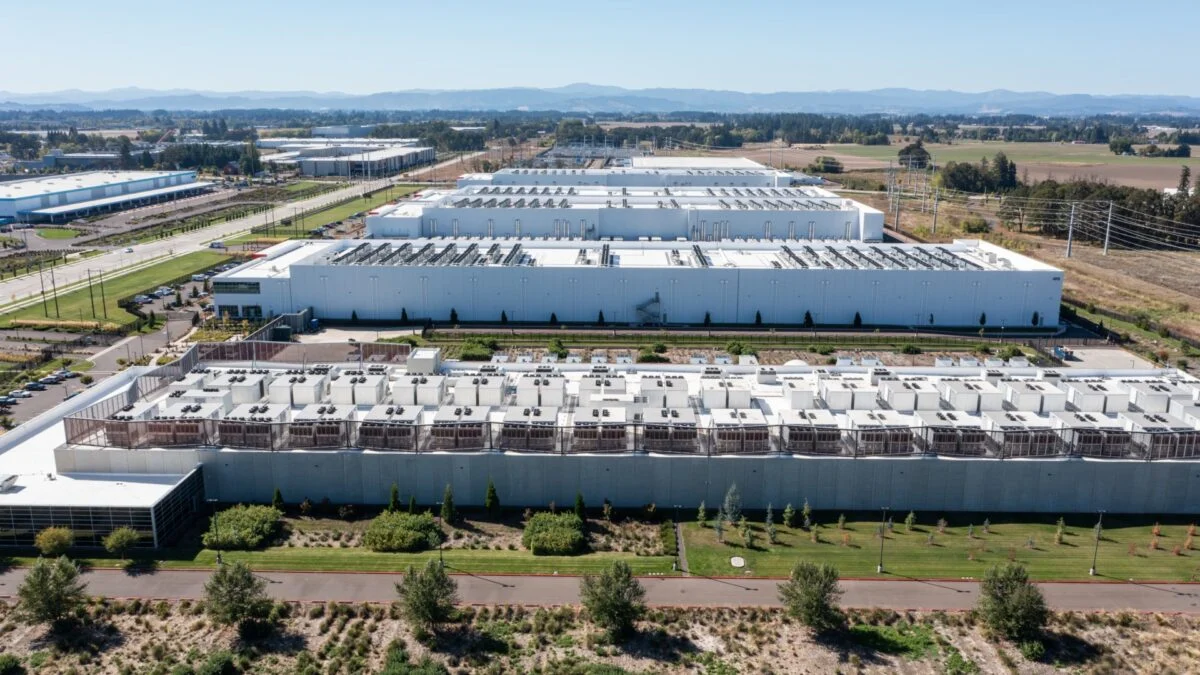
Microsoft was due to rent 23,000 Nvidia chips at Nscale’s Loughton site — and then it pulled out.
I follow these deals because the plumbing of cloud AI tells you where money and power flow. According to the Telegraph, Nscale’s Wall Street debut was expected to value the firm at $35 billion (€33 billion). The headline figure landed like a shockwave: Microsoft was set to be the anchor client for a new Loughton, Essex facility that would host those Nvidia accelerators.
That facility has been delayed and wasn’t expected to be online until 2030 or later, which mattered. Nscale also runs three U.S. data centers, per Datacenters.com, but the Loughton play was the one investors had circled. Microsoft reportedly accounted for about 40% of Nscale’s contracted revenue—one of two largest clients—so the exit is material, not symbolic.
Why did Microsoft pull out of the Nscale deal?
I asked the same question when the Telegraph’s reporting landed. Microsoft has not publicly explained its decision and Gizmodo’s request for comment went unanswered. There are, however, industry signals you can read like tea leaves: global AI debt issuance dropped from $113 billion (€105 billion) in June to $23 billion (€21 billion) in September, according to the Financial Times. That tightening of capital markets makes giant, long-horizon infrastructure commitments harder to justify.
Nscale announced a $3.36 billion pre-IPO convertible note — then the rug was pulled.
You saw the financing as a statement of intent: late last month Nscale revealed $3.36 billion (€3.1 billion) in pre-IPO convertible financing, money specifically structured for an imminent public listing. In practice, a pre-IPO round is a bridge: it signals the company expects to hit the market and needs a shot of capital to get there.
When the most important customer steps back, that bridge starts to wobble. I’ve watched capital markets move like weather—sudden storms can close doors just as quickly as they open them. Nscale’s timing was vulnerable: large physical builds, delayed timelines to 2030, and a concentrated revenue base made the company sensitive to a single counterparty change.
How will Microsoft’s exit affect Nscale’s IPO?
If you were an investor sizing risk, you’d now ask whether Nscale can replace that 40% revenue anchor or renegotiate terms that make its math hold. Without Microsoft, valuation expectations tied to the $35 billion headline will face scrutiny. Wall Street does not like concentrated counterparties, and bankers will demand either new contracts, clearer timelines or a smaller pricing assumption for the IPO.
The wider market reaction: AI finance has gone from sprint to uneven mile-markers.
I watch indicators—debt issuance, convertible activity, who’s hiring for data centres—and they’ve cooled. The FT’s figures show capital that fueled a frantic buildout earlier this year has receded, and that matters for anyone betting on physical infrastructure for AI.
This is not just one corporate spat; it changes the calculus for companies building large-scale GPU farms. Expect more scrutiny from lenders, slower commitments from hyperscalers, and a premium placed on diversified customer books. In short, the runway for speculative, hardware-heavy plays just got shorter.
What does this mean for AI investors and data-center builders?
You should be attentive to counterparty concentration and construction timelines. Nvidia remains the central hardware vendor, and Microsoft and Amazon Web Services still set demand narratives. Tools like PitchBook, Bloomberg, and even Datacenters.com will be your compass for deal-level detail; regulatory filings and pre-IPO documents are where you’ll find the most honest timelines.
Two quick metaphors to keep this in focus: the deal left a smoldering crater in an ecosystem that prizes reliability, and in an industry of leverage and optimism, a single pullout can feel like a house of cards collapsing. I’m not here to panic you—I’m here to point to the signals you should watch.
So where does that leave Nscale, Microsoft, and the next round of AI infrastructure bets—will investors still back the next British AI darling?