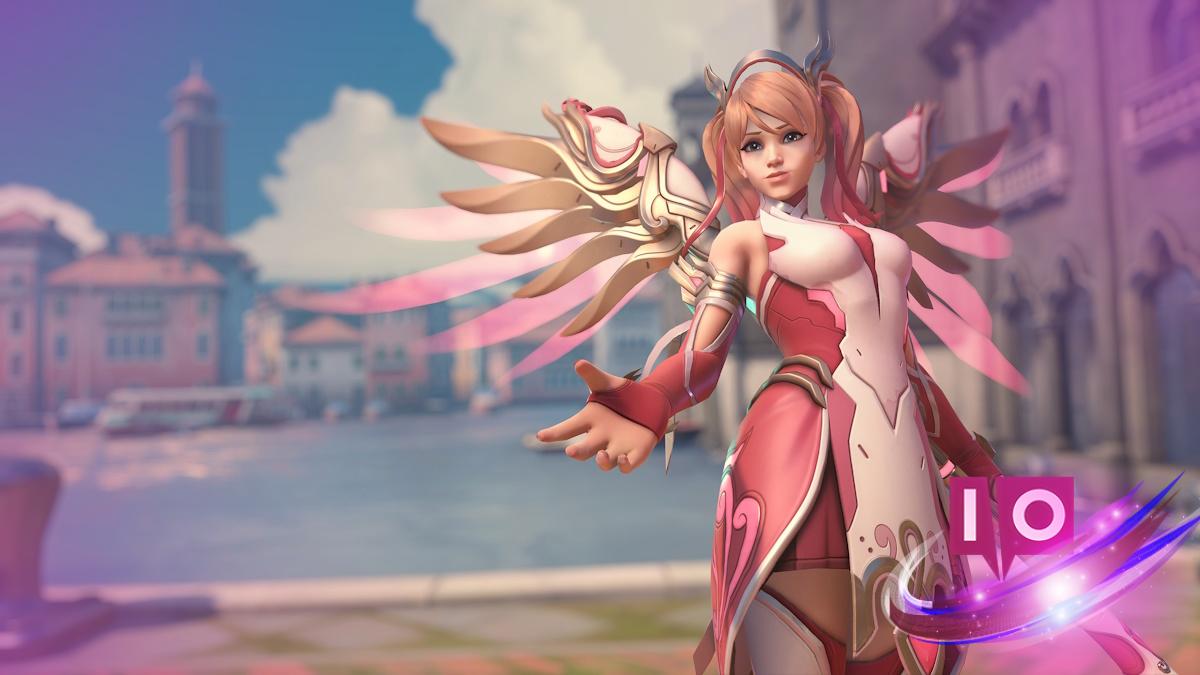
I joined a match and watched the team chat fill with all caps: SUPPORT STRIKE. A Mercy main locked Tank and refused to swap. The round folded into a quiet, deliberate protest.
I’ve followed Mercy mains for years on Twitter/X, Reddit and Twitch; I know how sacred their flight and timing feel. You’re about to get a short, direct read on what changed, why players are responding, and what Blizzard and the community are saying — from patch notes to protest chat logs.
In one match the team chat read “SUPPORT STRIKE” — what Blizzard changed and why it matters
On April 14, Blizzard rolled a season-two patch that trimmed Mercy’s Guardian Angel launch speed by 10 percent while baking Flash Heal into her base kit. The dev note said Flash Heal “gives her more reliable on‑demand healing while rewarding thoughtful cooldown management,” and that mobility and baseline healing were slightly reduced to compensate.
That sounds surgical on paper, but systems that feel small to designers can land large in the player experience. Mercy mains argue that a 10 percent slowdown is not a tweak — it’s a snip to their primary identity: meeting allies in motion and rescuing fights before they collapse. I’ve watched these players for years; when their toolkit gets rebalanced they don’t just complain on forums, they stage behavior that forces a visible reaction.
Why are Mercy players protesting?
They believe the patch changed the timing window for clutch saves — the tiny fractions of a second that separate a resurrect from a wipe. That perceived loss of control triggered coordinated responses: queueing tanks, typing protest messages, and highlighting the change across Twitter/X and BlizzardCS support threads. The protest is both a feedback loop and a pressure play aimed at developer attention.
At least four team queues saw Mercy mains lock tank — how the strike plays out in matches
In practice, the protest looks simple: a habitual support player locks into a tank slot, apologizes for poor tank play, and intentionally underperforms to make a point. That’s the mechanism — the message is leverage. When a core role goes quiet, the match becomes lopsided, losses spike, and friends in competitive ladders take notice. The social cost of that disruption is the whole point.
The action functions like a paperweight on team cohesion, pinned and immovable. It draws attention faster than a thousand complaints on Discord.
How does Mercy’s Guardian Angel nerf affect gameplay?
The reduced launch speed elongates reach times and changes timing windows for clutch plays: faster dive targets get away more often, Mercy’s evasive arcs become more predictable, and the margin for reaction heals narrows. For players who measure success in split-second reads, those margins matter deeply. Streamers on Twitch and content creators on YouTube have already demonstrated clear micro-examples where the nerf flips win probability in highlight reels.
I saw the tweets and the memes — how the community is responding beyond the strike
On Twitter/X, posts ranged from mockery to sympathy; some users called the strikes petty, others treated them as a reasonable bargaining tool. Pro players and influencers have weighed in, with clips showing both old versus new timings and analysts on Reddit cataloging the change in frame-by-frame clips. The conversation landed on BlizzardCS and the official patch threads fast.
The reaction also pushed some players to play “actually useful heroes,” as a few streamers put it, turning protest into an invitation for others to capitalize on easier matches. For ranked players, that collateral effect is the real sting.
Will Blizzard revert the Mercy nerf?
Blizzard could respond several ways: roll back the change, tweak numbers, or monitor the data and let the patch stand. Historically, Blizzard listens when community pressure matches telemetry and when pro-level commentary makes a clear case. Whether they react this time depends on win-rate shifts, pick-rate telemetry, and how noisy the protest remains across X, Reddit, and pro circuits.
I’ve seen role-driven protests before in online games; they force a public debate about design trade-offs. If you play competitive this week, be prepared: Mercy mains may be in the tank queue and games may feel intentionally skewed — and that’s the point. Do you think this kind of protest is a legitimate form of player feedback or just griefing?