
He woke up to his phone buzzing: strangers asking about a game he doesn’t make. His wife—fresh from surgery—was getting the same messages. The plea on Twitter felt less like a tweet and more like a flare sent up by a community that had lost its way.
I’ve been covering games long enough to read the scent of fandom panic. You and I both know how fast curiosity turns into pressure. When that pressure becomes harassment, it stops being about a release date and starts being about harm.
Can people please, please stop spamming me regarding GTA 6, stop sending me emails and for the love of god please stop messaging my wife, she is recovering from a serious surgery and having weirdos messaging her to ask me stuff about GTA 6 is borderline crazy. I don’t even know… pic.twitter.com/Wc0TYnvERU
— Reece “Kiwi Talkz” Reilly (@kiwitalkz) May 11, 2026
At my inbox I saw the same pattern: obsession turned personal.
Reece “Kiwi Talkz” Reilly’s tweet lit a public fuse. People were tagging him, emailing him and, worse, messaging his recovering wife. This is not sleuthing; it’s an invasion.
Rockstar Games hasn’t invited this behavior. Journalists and dev interviewers like Reece are conduits for information, not broom handles to beat when news moves slowly. You can listen without becoming a threat.
Why are GTA 6 fans harassing people who aren’t involved?
Because leaks feed a hunger that social media amplifies. Platforms like Twitter and YouTube reward urgency and outrage; rumor posts spike, and then the crowd rushes to the next hot lead. That surge feels like power, until it targets the wrong person.
When expectations collide with scarcity—GTA 6 signals, a tease from Game Informer that showed a four-word cover—fans misassign blame. The cover turned out to be Blood of the Dawnwalker, an RPG tied to veterans of The Witcher 3, yet the comment threads filled with threats and entitlement anyway.
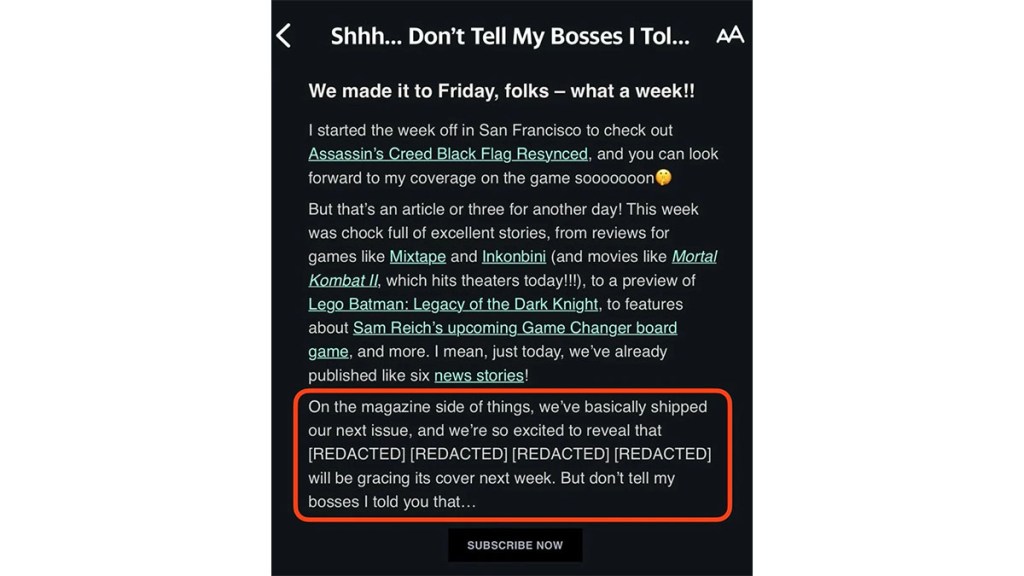
At the comments section I noticed a familiar ugliness—and a missed chance.
Fans reacted to a tease meant to spark conversation and instead barreled into accusations. The thread that should have been speculation became a vehicle for vague and explicit threats. That behavior drags the whole community down and hands critics like Jack Thompson fresh ammo.
You and I can separate a power fantasy from real-life conduct. GTA works as a game because it lets players do outrageous things inside a controlled system—not because it should direct how anyone treats others offline.
How can journalists and developers protect themselves from fan harassment?
Use platform tools and clear boundaries. Mute, block, and report on Twitter. Limit public contact points and funnel tips through official channels like press emails or dedicated forms. Industry names—Game Informer, Rockstar, independent outlets—have to push back when forums turn hostile.
There’s also responsibility on the audience. A rumor doesn’t entitle you to someone’s private life. When messages cross the line into health-related harassment, law enforcement and platform abuse teams should be involved.
The fandom is like a pressure cooker ready to hiss; one off-note can send steam everywhere. And when outrage spreads unchecked, it behaves like a wildfire—fast, indiscriminate, and destructive.
GTA 6 arrives on PlayStation 5 and Xbox Series X|S on November 19, 2026. If you want real updates, follow official Rockstar channels, reputable outlets, and resource sites like GTA6Bible instead of hunting down peripheral figures. You can be eager without being cruel—will you choose which side of the fandom you want to be on?