
I remember the first image that stopped me: a ventilation shaft full of breath that wasn’t human. You feel it in your throat the moment the Growth speaks in somebody you trust. I want you to hold that unease as we unpack every turn of Directive 8020.
In my newsroom, we chase a single angle — Directive 8020: Story, explained
I’ll guide you through the plot the way I trace a timeline for readers: clean, surgical, and unforgiving. You already know the hook — two survey ships, one planet, a meteor — but the way Supermassive Games builds dread is quieter and smarter than the headlines make it sound.
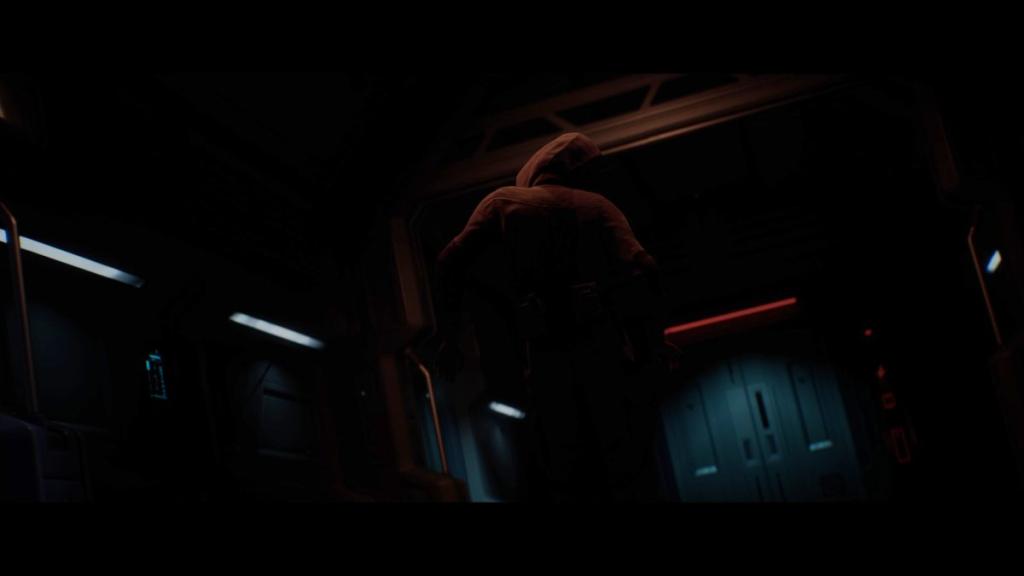
The Cassiopeia and its sister ship Andromeda are headed to Tau Ceti f, a world 12 light-years from Earth. A meteor fragments the Cassiopeia’s hull and brings a contagion the crew will call the Growth. The Growth learns faces and voices and history, then wears them to get inside human plans.
You watch Carter and Simms first — Sleep Technicians doing routine repairs — and then the story jerks time like a scratched tape. Simms finds something in the vents; she dies off-screen. Later you and I both see Simms walking. Carter’s body decomposes in a way that contradicts the recordings he made warning about Simms. That contradiction is the lever the plot uses to ratchet paranoia.
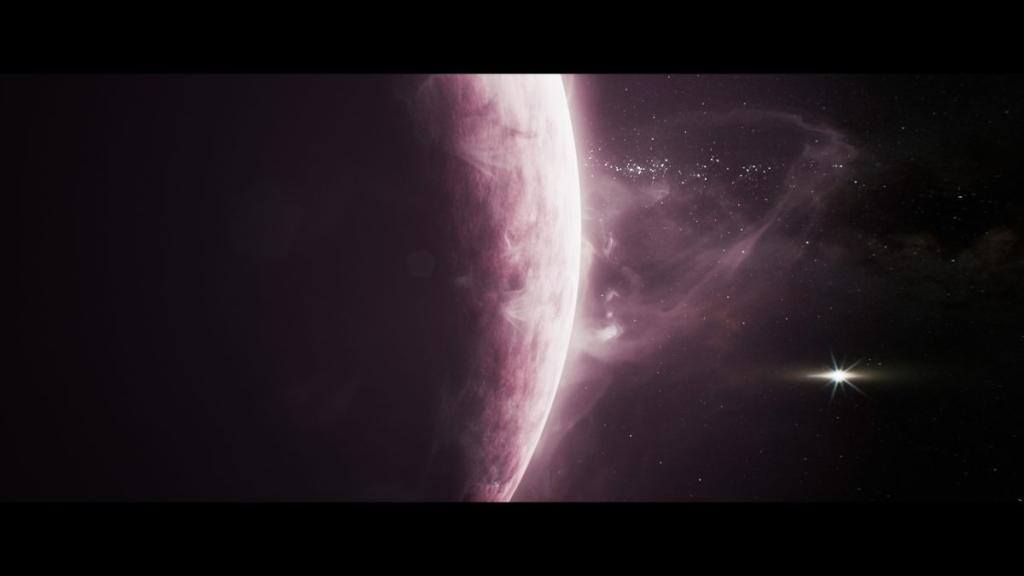
That discord fuels two threads: what the Growth is, and what Corinth — the company behind the mission — is hiding. Williams, who can reach Earth directly, behaves like someone with backstage tickets: guarded, decisive, and strange. He’s not the original Williams; none of the ten on the Cassiopeia are. They’re clones.
How does the Growth know crew memories?
The Growth doesn’t just copy faces. Over twelve cycles it learns through exposure and interaction; each failed mission is data. It mimics speech patterns and retrieves personal recordings. That’s why Cooper’s past trauma and the simulated citizens burned in her memory are used against the crew the same way a script is reused — except this script adapts and replies.
In practical terms, Corinth treats the clones as disposable assets. The originals remain on Earth or in corporate custody while clones are uploaded with memories and sent in three-month intervals to Tau Ceti f. The Growth gathers each cycle’s logs and refines its responses, so every return to the planet tightens its tactics.
On forums and subreddits you’ll read endless theory — Corinth and the cloning program
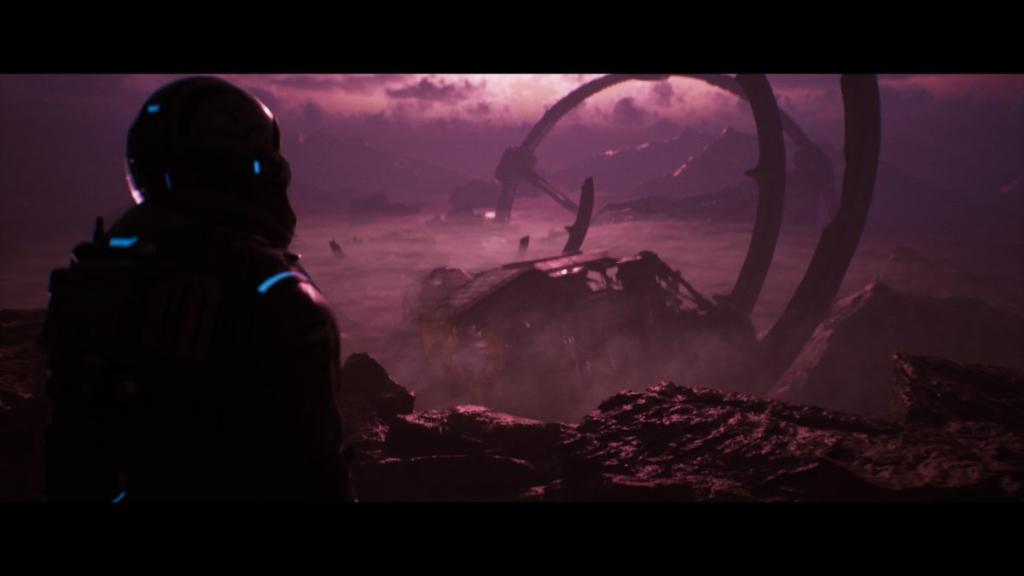
Corinth’s project is surgical: clone the team, upload memories, send them to Tau Ceti f to study, contain, and—if necessary—terminate the Growth. The Cassiopeia is one in a string of iterations. Cycle 13’s crew slowly pieces together overwritten transmissions showing previous landings, previous deaths, and an unspoken pattern of sacrifice.
Williams’ role is to keep mission drift from the originals back on Earth. That explains his direct line and cold calculus. The company’s cold logic looks like corporate survival, but to the cloned humans on board it feels like betrayal. You can see the moral fault line: are these people tools, or are they human enough to grieve?
What is Directive 8020?
Directive 8020 is Corinth’s protocol for extraterrestrial contact: quarantine, study, and sacrifice as necessary. The policy was written after a 2003 crash — the same event tied into House of Ashes — and it frames every choice the originals make. If you play on Steam, PlayStation, or Xbox, you’ll find the rulebook is less a plot device and more the engine of moral pressure in the narrative.
It’s the legal and corporate rationale that lets Earth send repeat cycles: the perceived greater good of protecting millions against a lifeform that learns. That legalism is why Carter and Simms were terminated in an earlier cycle once they tried to return — stasis fluid tampered to kill would-be survivors.
On community threads the endings are the battleground — All Directive 8020 endings, explained
The endings split along four fault lines: does Cycle 13 survive, does Young reveal the empty Cassiopeia, do survivors make it back to the Booster Ring, and is the cycle truly broken. Those are the decisions you steer in key moments.
If Cycle 13 survives but brings the Growth, Earth’s larger nightmare begins. If they survive and warn the originals, Corinth’s response is cold: previous cycles show the company kills returning clones to stop contamination. If survivors reach the Booster Ring and call for help, the rescue window is narrow — the next cycle launches every three months and the originals prioritize mission completion.
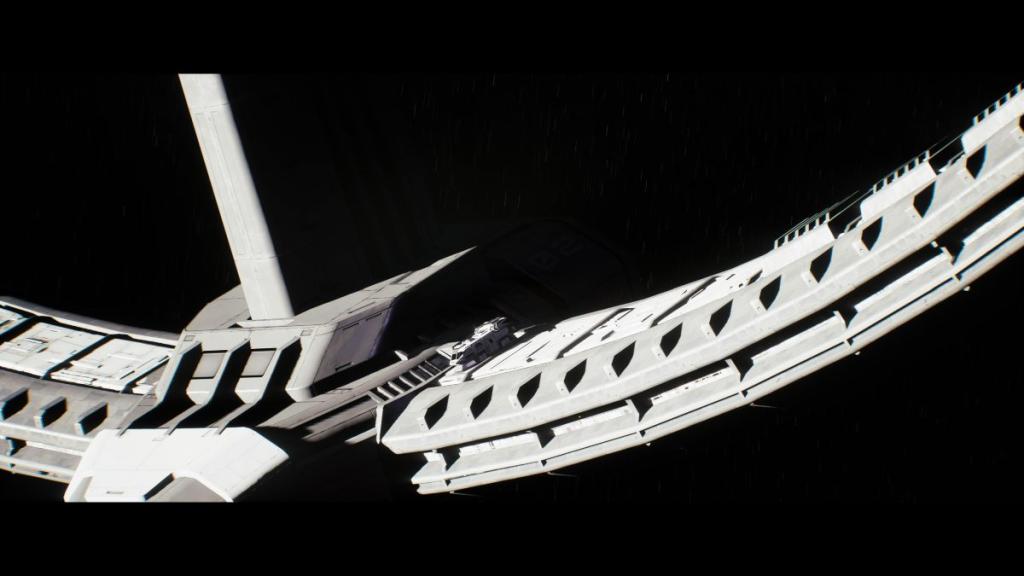
The cleanest resolution is the crew reaching the empty Cassiopeia and forcing a reckoning with Corinth. The question then becomes Eisele’s destiny: will she err on humanitarian instinct or scientific procedure? If she chooses humanity, the cycle can stop. If not, the experiment continues.
How many endings are there in Directive 8020?
There are multiple permutations driven by your choices and by five critical Turning Points, including whether you find the obol coin that summons The Curator. The game branches but orients around those four core outcomes — survival, warning, retreat to the Booster Ring, and breaking the cycle — each with shades determined by who lives and who dies.
On Steam threads the Curator mystery keeps surfacing — Is The Curator in Directive 8020?
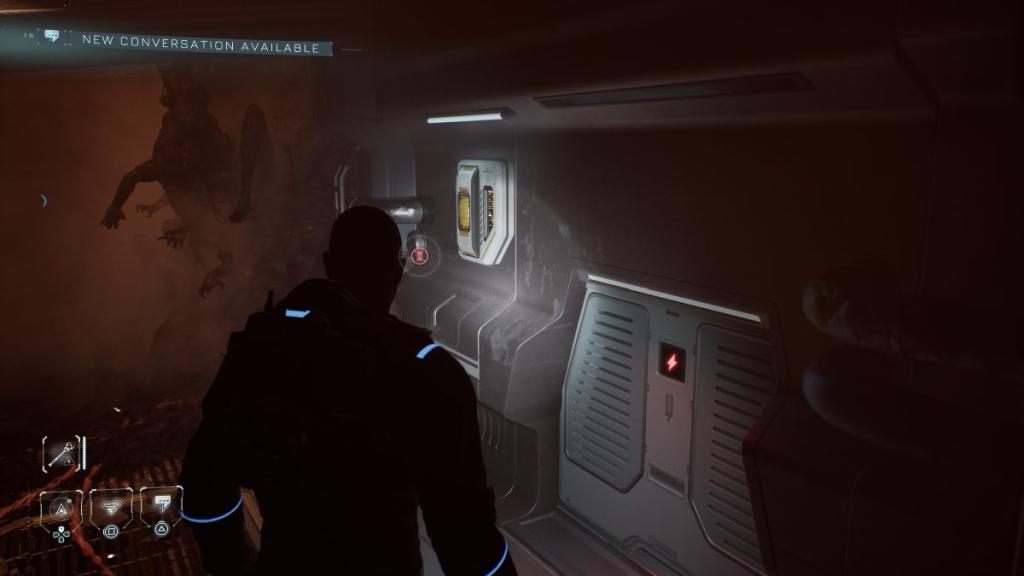
The Curator does appear, but only if you put in the time to explore. In episode eight there’s a vent puzzle near a fuse box; solve it using the Utility Strap and you get Simms’ recording and the Obol coin. That coin triggers The Curator’s five cameo Turning Points and grants access to a teaser trailer for the next Dark Pictures entry.
You’ll find chatter about this on platforms like Steam, PlayStation forums, and Discord channels dedicated to The Dark Pictures Anthology. The Curator is the anthology’s running narrator — his cameos reward players who hunt every corridor and examine every cache.
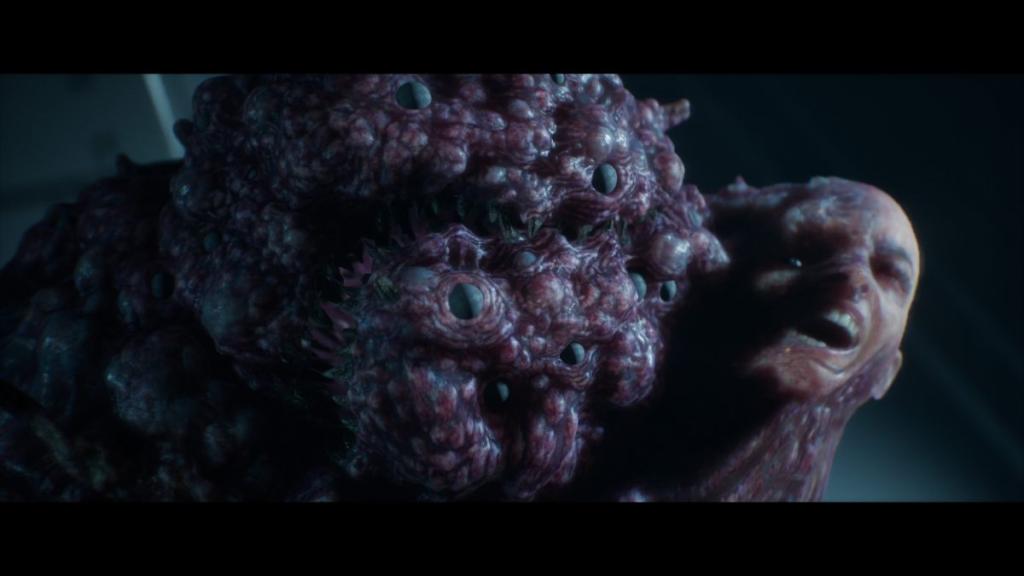
In a late-night thread I asked: what is human in Directive 8020?
There’s a brutal ethical pulse at the center of the story. The clones feel, mourn, and act on the basis of uploaded memories. They are treated as synthetic short-term assets by Corinth, but the game asks you to decide whether memory and pain equal humanity. I will press you: if someone remembers love, are they less human because a corporation made that memory?
The Growth grows smarter with every failed mission — it builds tech, sends a meteor as a weapon, and learns to fabricate social proof. It is an adversary that adapts like a shadow puppet, shifting shape to control light and attention. And the corporate answer to that is a clinical experiment repeated until something changes.
Play it on Steam, on PlayStation, or on Xbox. Read reviews on Moyens I/O, IGN, or watch clips on YouTube to compare endings. If you want to test a specific route, community guides on Reddit and Steam detail the Turning Points and how to secure The Curator’s appearances.
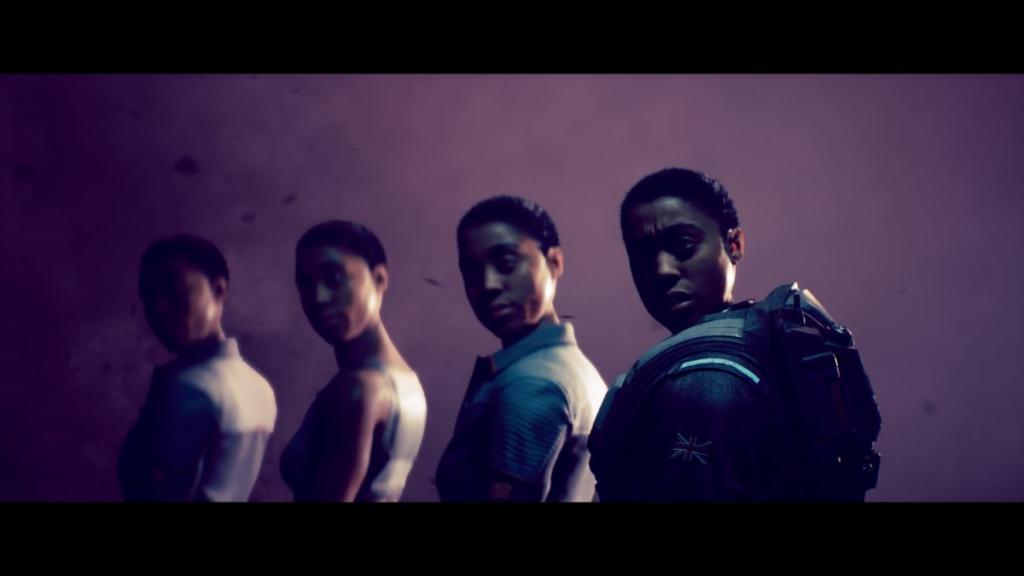
Here’s what I want you to carry forward: the game frames a choice between practical survival and moral integrity. The Growth learns like a virus in a file, and Corinth treats humans like test cases. Your decisions nudge the balance toward one answer or the other.
So I’ll ask you the same question I leave my editors with after every long feature: if you were Young, what would you tell Cycle 13 to do next?