The press release hit my inbox between meetings and felt like a curtain being pulled back. A headline — PayPal agrees to a $30 million settlement — stopped a feed, then a conversation. For a dozen small sellers I know, the moment read like a warning more than a rescue.
I’ll keep this short and precise. You’ve seen the headlines; I’ll show you what they mean, who moved the pieces, and where real money and real people intersect.
At a coffee shop POS, a Black owner checks settlement headlines: What changed for PayPal and its Economic Opportunity Fund?
The visible fact: PayPal launched an Economic Opportunity Fund in 2020, a $530 million program ($530 million; about €488 million) aimed at supporting Black and other minority-owned businesses after George Floyd’s murder sparked nationwide protests.
I tracked that effort from its launch in the summer of 2020. It looked like a corporate response to a civic demand — grants, investments, and programs meant to move capital toward entrepreneurs shut out of traditional channels. PayPal’s fund was one of several similar initiatives across finance and tech.
But this settlement replaces that original program with a new package: PayPal will waive processing fees on $1 billion of transactions ($1 billion; about €920 million), which the company estimates translates into roughly $30 million in fee relief ($30 million; about €27.6 million). The program is branded the Small Business Initiative and notably includes farmers, manufacturers, tech sellers, and some veteran-owned firms.
What was PayPal’s DEI program?
The Economic Opportunity Fund was an explicit investment in minority-owned businesses — a mix of direct capital and programmatic support aimed at reducing barriers for founders of color. PayPal has said it admitted no wrongdoing in the settlement.
On the DOJ front porch, the announcement landed with a flourish: Why the Justice Department called this ‘illegal DEI’
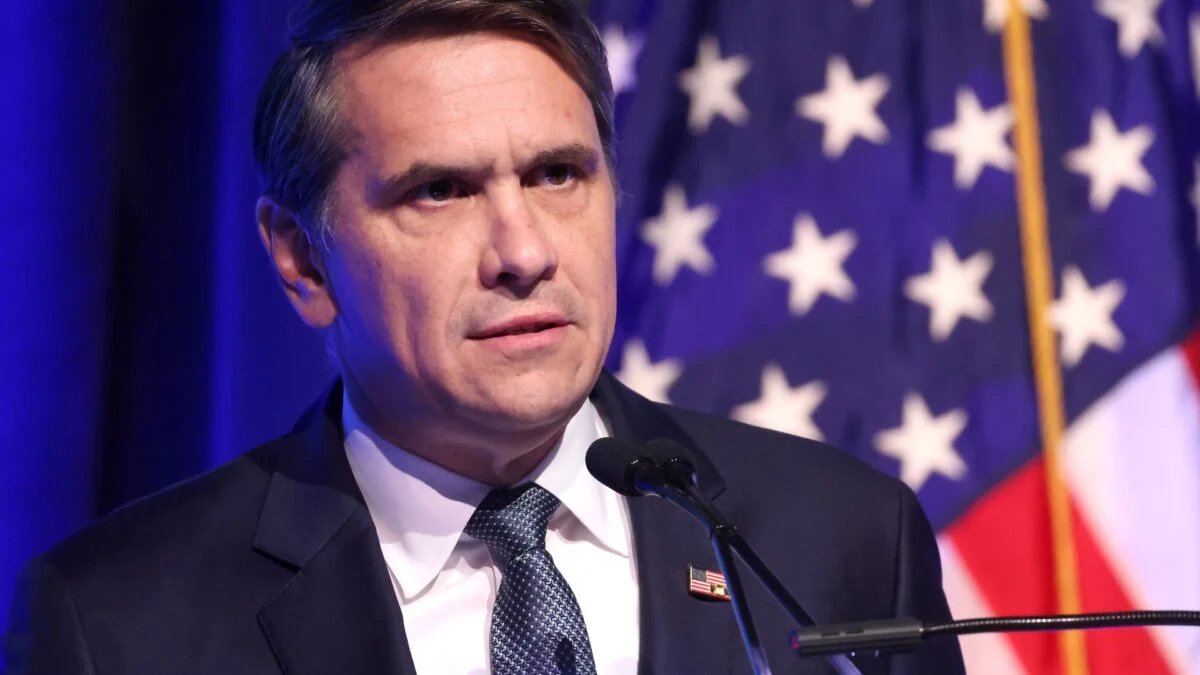
The visible fact: the Justice Department’s civil-rights unit opened a probe and negotiated the settlement; the press release carried the imprimatur of Acting Attorney General Todd Blanche, a longtime Trump ally.
You should read the release as both legal maneuver and political signal. The DOJ framed the program as discriminatory because it prioritized beneficiaries by race and national origin, and the department celebrated the settlement as enforcement of a broader campaign against so-called race-based corporate programs.
This is not merely a contract dispute. It’s a test case for how far federal enforcement will reach into corporate diversity efforts under the current administration. President Trump’s team has publicly framed such efforts as exclusionary; you can find echoes of that stance in comments from the White House and in the language used by the DOJ.
Why did the DOJ settle with PayPal?
In short: the DOJ alleged the program violated federal civil-rights law by deploying race as a criterion. PayPal opted to resolve rather than litigate, negotiated fee-waiver remedies, and avoided admitting legal fault. Politically, the settlement serves the administration’s campaign against targeted inclusion programs in corporate America.
At the end of a month, a small-business ledger shows new fee relief: How the settlement will actually affect Black-owned businesses
The visible fact: fee waivers matter to margins. For low-margin sellers, a few percentage points of processing fees can determine whether a business survives a slow quarter.
Here’s what I want you to see: the headline number — $30 million in waived fees — sounds big. For individual businesses, the effect will be uneven. Some merchants will see meaningful relief; many will see nothing because eligibility is limited to specific sectors and criteria the settlement defines.
PayPal says the Small Business Initiative will target farming, manufacturing, technology, and certain veteran-owned businesses. That narrows the pool from the broader race-based investment strategy the original fund used. For Black entrepreneurs outside those categories, the practical impact is smaller.
The political ripple is larger than the financial transfer. Corporations watching this will recalibrate how they structure diversity or equity programs to avoid DOJ scrutiny. That dynamic may push companies toward race-neutral economic supports rather than explicit, race-targeted investments — and that shift changes who gets funding and why.
Gizmodo and other outlets quoted PayPal’s statement praising the new program; the company framed the move as renewed support for small businesses at scale. Meanwhile, critics see the settlement as part of a larger campaign led by the White House and figures like Blanche that pressures corporate DEI.
For small business owners and civic leaders, the settlement is both relief and reminder: legal risk now shapes philanthropic and corporate strategy the way market risk always has. The scene outside looks like a map being redrawn — and the roads are being repaved on someone else’s timetable.
Two quick practical notes: if you run a small business that accepts PayPal, check the company’s eligibility rules and sign-up windows; if you advise founders of color, now is the time to document how support programs operate and who benefits. Think of this moment as a speed bump on a highway of change, not the full stop.
I’ll keep watching the filings, the program rollouts, and the next legal challenges. You should expect more settlements and more narrow remedies — and you should ask whether those remedies repair the original problem or simply reroute the solution. What do you want the next ten years of corporate support for entrepreneurs to look like?