I sat two rows behind a man who laughed aloud when Grogu nudged the control yoke, and you could feel the theater tilt toward something unexpected. For a moment I forgot this was a Star Wars film and not a quiet lesson in attachment and risk. By the final frame, I was left with questions that keep spinning like parts in a crashed droid.
I’ve watched franchise reveals from Jon Favreau to Dave Filoni steer this corner of the galaxy, and I’ll walk you through what matters—what the film shows, what it hints at, and what might become a seed for future stories on Disney+. You’ll see references to Lucasfilm’s choices, fan chatter on Reddit and X (Twitter), and why this movie quietly nudges the wider saga’s direction.
How much has Grogu changed?
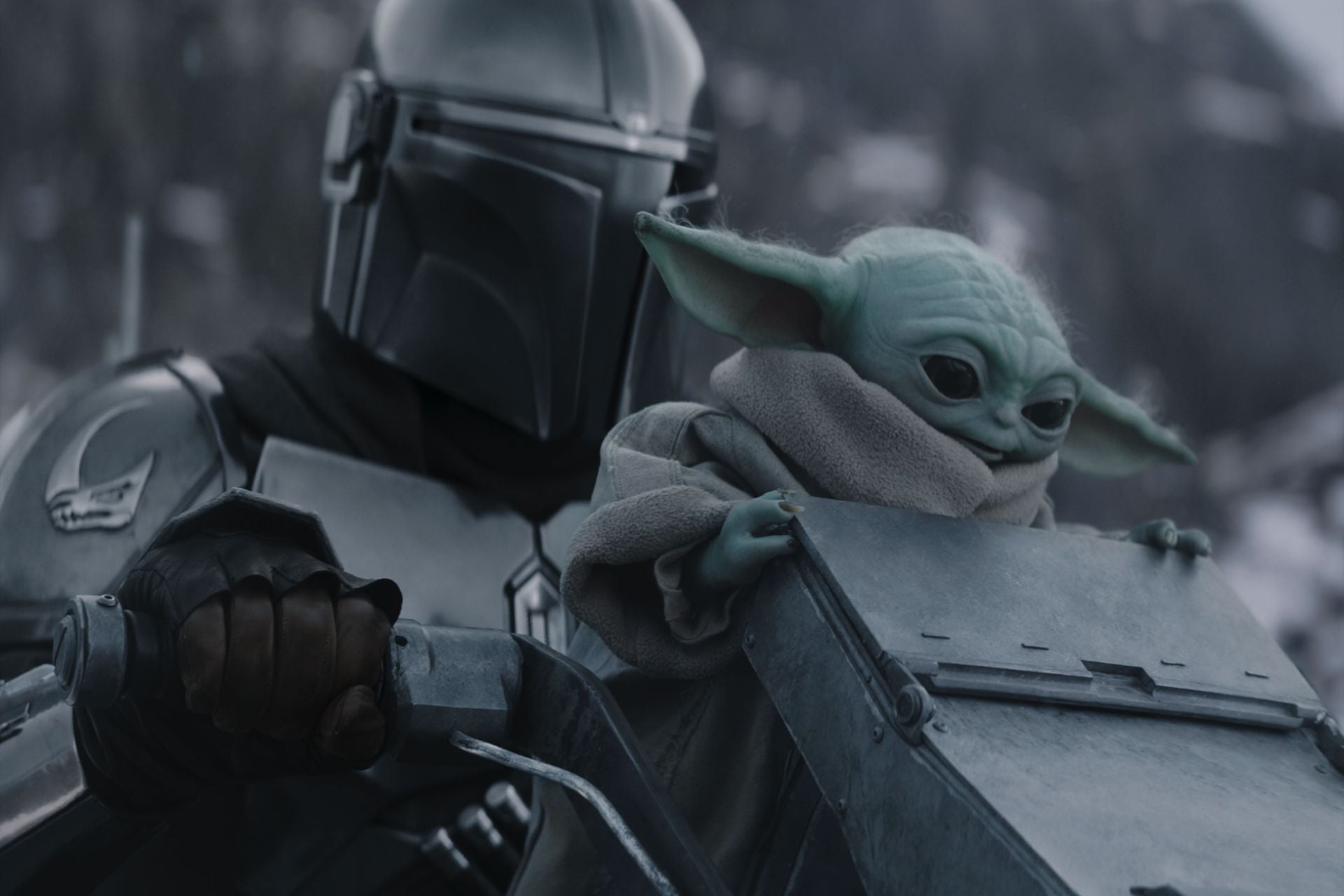
At the midnight screening you could hear people whispering as Grogu took care of Din Djarin—he no longer felt like a prop. He’s older by scenes, showing a steady hand and a willingness to act without direction. You should notice three things: his motor skills have tightened, his force work is more decisive, and his instincts are sharpening from mimicry to agency. He’s not near speaking fluently; his species talks sparingly—Yoda wasn’t chatty—but Grogu’s emotional vocabulary has grown. He practices caretaking like a teenager learning to drive: awkward, dangerous at times, but undeniably moving toward independence.
How has Grogu changed since the series?
Grogu’s arc is visible not through one big beat but via small, cumulative moments—rescuing Mando, stabilizing him, and attempting ship controls. Those are narrative strokes that tell us he’s maturing without years of Jedi training. For future arcs, that means writers—whether on Disney+ or the Lucasfilm Story Group—can use him as a plot fulcrum: kid who saves, kid who decides, kid who forces a moral choice.
Is the Mandalorian exclusively a New Republic member now?
In the lobby after a press screening you could hear a couple debate whether Din signed up or simply aligned himself. He’s made choices: he refuses contract work that clashes with his conscience and accepts New Republic help. That’s an alignment, not a passport. The New Republic in the film acts like a stabilizing bureaucracy, not a cult; Mando clearly values autonomy. He could work with the Resistance later, or side with individuals like Ahsoka—these are relationships, not memberships.
Is Din Djarin part of the New Republic now?
The film frames his cooperation as practical and moral rather than institutional. He takes New Republic aid when it syncs with his code; he rejects it when it doesn’t. That keeps him mobile as a character and preserves the option to appear in future crossovers without being tied to a single banner.
What does the future hold for Rotta the Hutt?
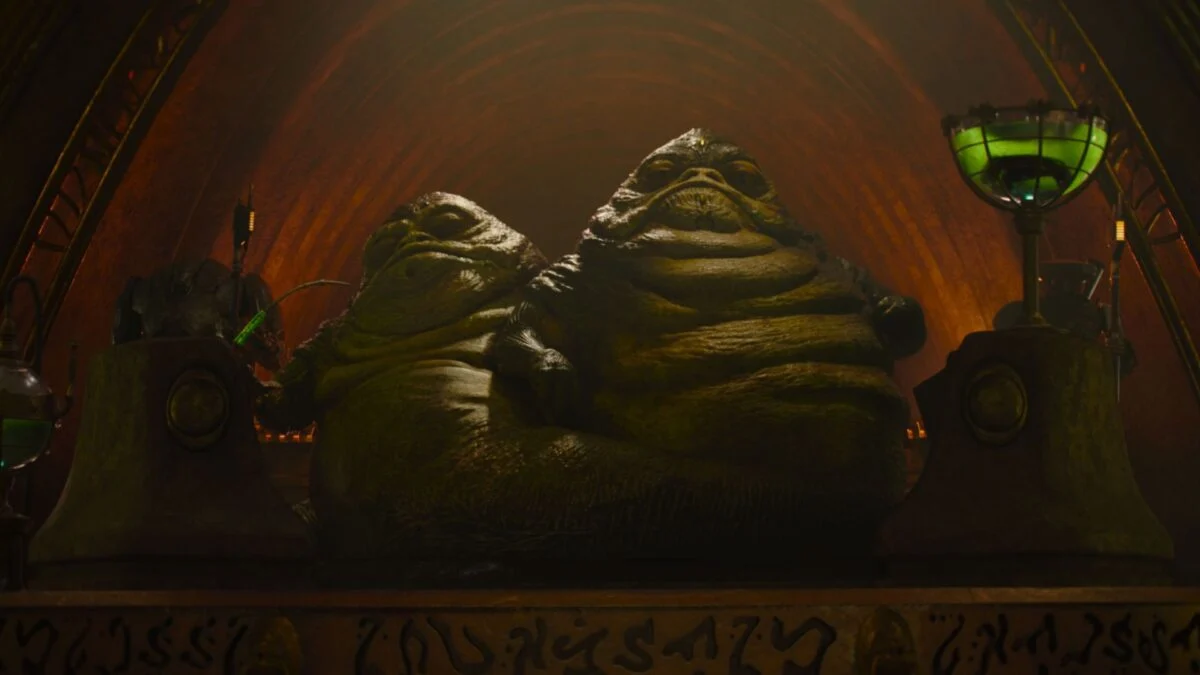
At a fan meetup someone joked that Rotta looks like he read a diplomacy manual once and then misplaced it. Rotta’s arc bends from shadow of Jabba toward an awkward civic role: ally, figurehead, potential liability. Hutts aren’t pilots or field agents, but they are political engines—tribute collectors, negotiators, and anchors for criminal networks.
Rotta pledging to the New Republic could read as the galaxy’s version of a peace treaty made under duress. Expect political theater—negotiations, puppet factions, and the odd Hutt envoy showing up in a council room rather than a throne cave.
Who will take over for the Twins?
At the comic-con panel on organized crime in Star Wars, a panelist noted power vacuums always smell like trouble. The Twins’ death leaves a bloody gap in the Hutt crime network. That vacuum invites contenders: local warlords, syndicate lieutenants, or an external cartel moving in.
It’s not tidy succession; it’s a messy scramble—perfect fuel for serialized storytelling where each episode peels back a different claimant’s methods and moral compromises.
Will there be retribution for Nal Hutta?
In the lobby a fan pointed out you can’t carpet-bomb a planet without consequences. The New Republic’s bombing to stop the Twins will leave a political scar. Someone will be angry—survivors, rival gangs, or allies of the Hutts may pursue revenge. That revenge isn’t just about payback; it’s about humiliating an emergent government that thought it could lecture the underworld.
Why doesn’t anyone care that Grogu uses the Force?
During quiet scenes people around me calmly accepted Grogu’s telekinesis as if gravity had shifted overnight. The film plays his Force use as a tool rather than a spectacle, and that choice softens possible reactions. But in-universe it stretches credibility: Jedi are rare, and untrained Force users are anomalies people would notice. The movie’s restraint here reads as narrative convenience—preserving wonder for later—rather than social realism.
Why doesn’t anyone react to Grogu using the Force?
Producers from Lucasfilm and showrunners often balance exposition against pacing. By minimizing outraged NPCs the story keeps its focus on character intimacy. Expect future episodes or spin-offs to treat Grogu’s abilities as a plot engine—someone like Ahsoka, or a Lucasfilm Story Group tie-in, will make the Force matter again.
Will Embo hold a grudge?
I watched a clip of Embo’s escape and noticed the hunter’s swagger looked wounded, not broken. Embo’s ego took a public hit; he escaped but lost face and territory. In a universe of hunters, slights compound into contracts. He could return as a thorn: a rival with grudges, resources, and an audience who remembers the Twins’ brutality.
What else did Lord Janu reveal?
At the credits crawl a detail about Lord Janu felt like an invitation rather than a full stop. The captured Imperial presumably fed the Republic intel beyond the immediate plot—plans, contacts, and loose threads that could link to bigger names like Grand Admiral Thrawn. He probably didn’t spill everything about Palpatine or Snoke, but he could offer crumbs that lead to larger mysteries.
Those crumbs are exactly the sort of breadcrumbs Dave Filoni and Jon Favreau use to stitch small stories into a sprawling tapestry across Disney+ and other platforms.
What’s happening on Mandalore?
After the show, someone asked me if Mandalore was still a ruin or a budding nation-state. The film sidelines planet-building, but Mandalore’s fate remains a cultural anchor for Mando and Bo-Katan. We haven’t seen the mythosaur or a full restoration, and that gap keeps Mandalore mythic rather than finished. That’s a deliberate choice that preserves tension: it allows Mandalore to be a destination rather than a done deal.
Is Dejarik named after reality, or vice versa?
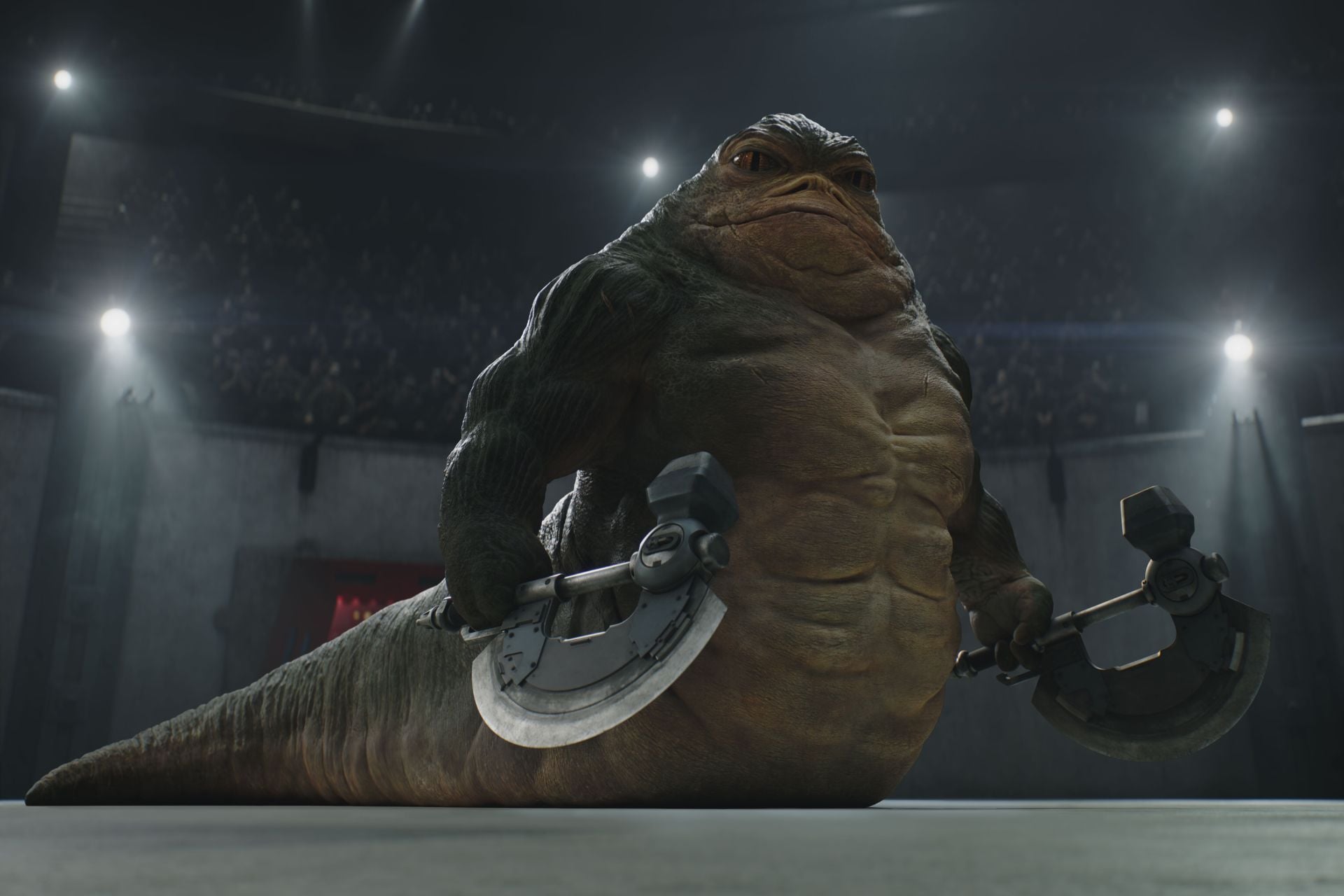
At a gallery exhibit of movie props, a Dejarik board felt like a relic that outlived its game. In the film “Dejarik” describes a brutal cage-match tactic, echoing the holochess. The question flips: did the in-universe term come from an actual gladiatorial practice or from the game inspired by that practice? Either way, tying a classic Easter egg to real combat elevates the world’s internal logic.
Did the Anzellans have a tracker on their friend?
After one screening I overheard someone wonder how the Anzellans found Din so fast. The answer could be a simple narrative convenience, or it could be tech: a tracker, a shared transponder, or Grogu’s sense of attachment. A small device or a well-placed Marrok could explain the coincidence without stretching the plot.
How did the Twins get their Dragon Snake?
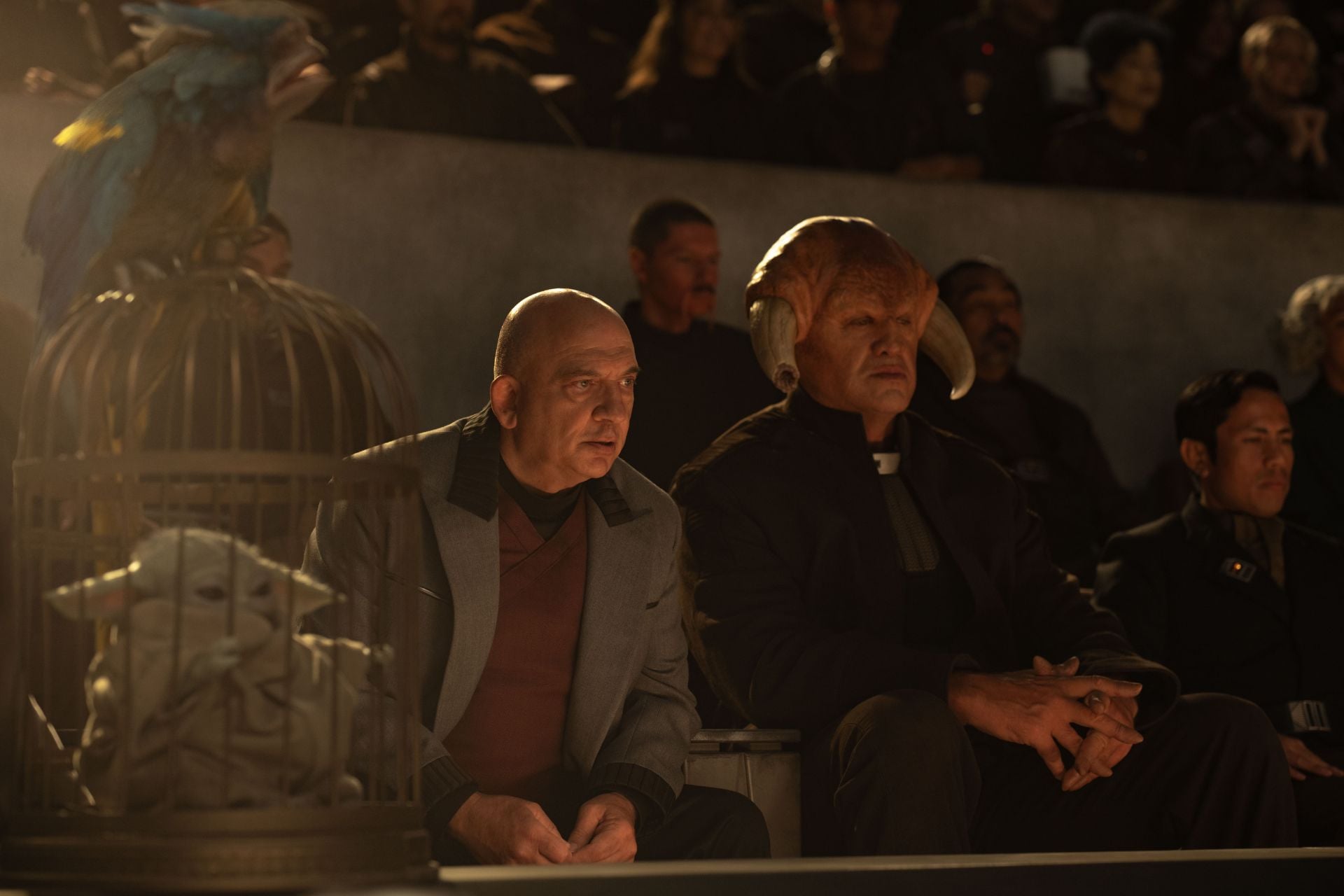
At a creature-effects panel a designer noted that cages tell stories as loud as characters. The Dragon Snake is treated like an attraction and a weapon; how it arrived—smuggled, bred, or captured—matters. If it had a keeper like the Rancor did, that keeper becomes a new storytelling node: a sympathetic jailer, a dying guardian, or a resentful warden.
If you stream this on Disney+ (subscription averages $7.99 (€8) a month in some markets) you’ll spot these threads and recognize how small choices can seed weeks or years of storytelling. The show leaves clues quietly, like fingerprints on a holocron—and I want to know which clue you’ll chase next?