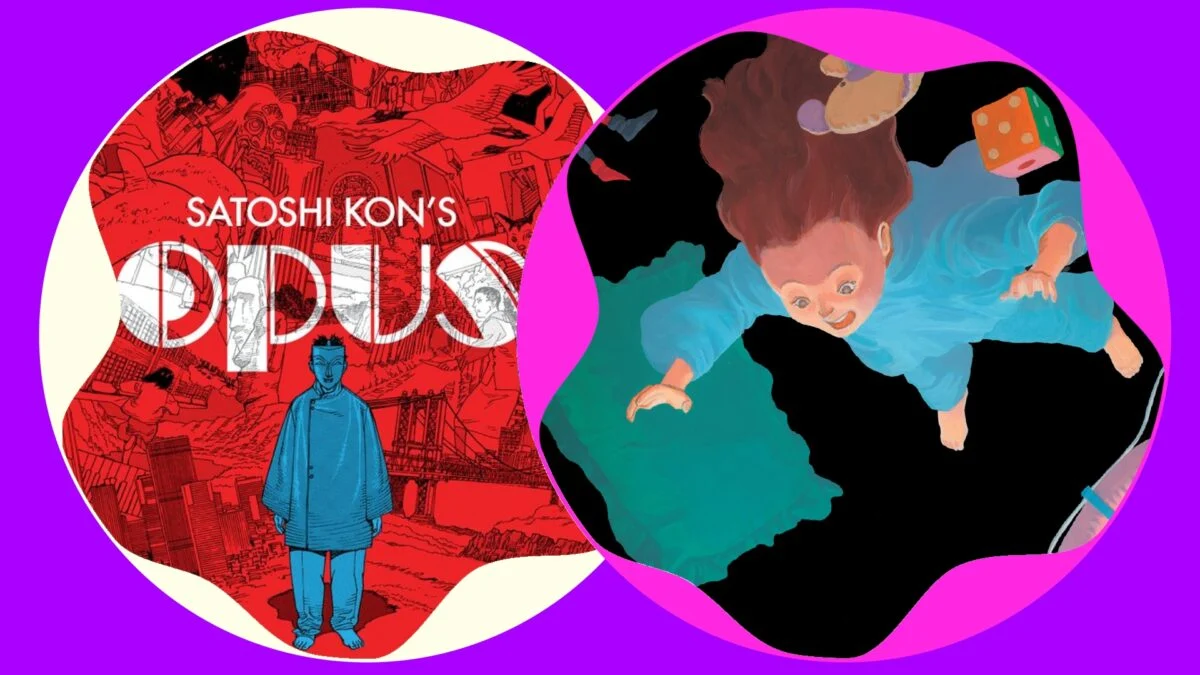
I was standing in a corner of a used bookstore when a slim, unfamiliar volume slid into my hands and stopped me cold. For years I’d watched Satoshi Kon bend filmic reality on-screen, but holding his manga felt like catching a private joke he’d never told aloud. If you love Perfect Blue or Paranoia Agent, you owe it to yourself to read Dream Fossil and Opus.
On a crowded shelf I discovered Dream Fossil — a collection that rewrites what you think you know about Kon
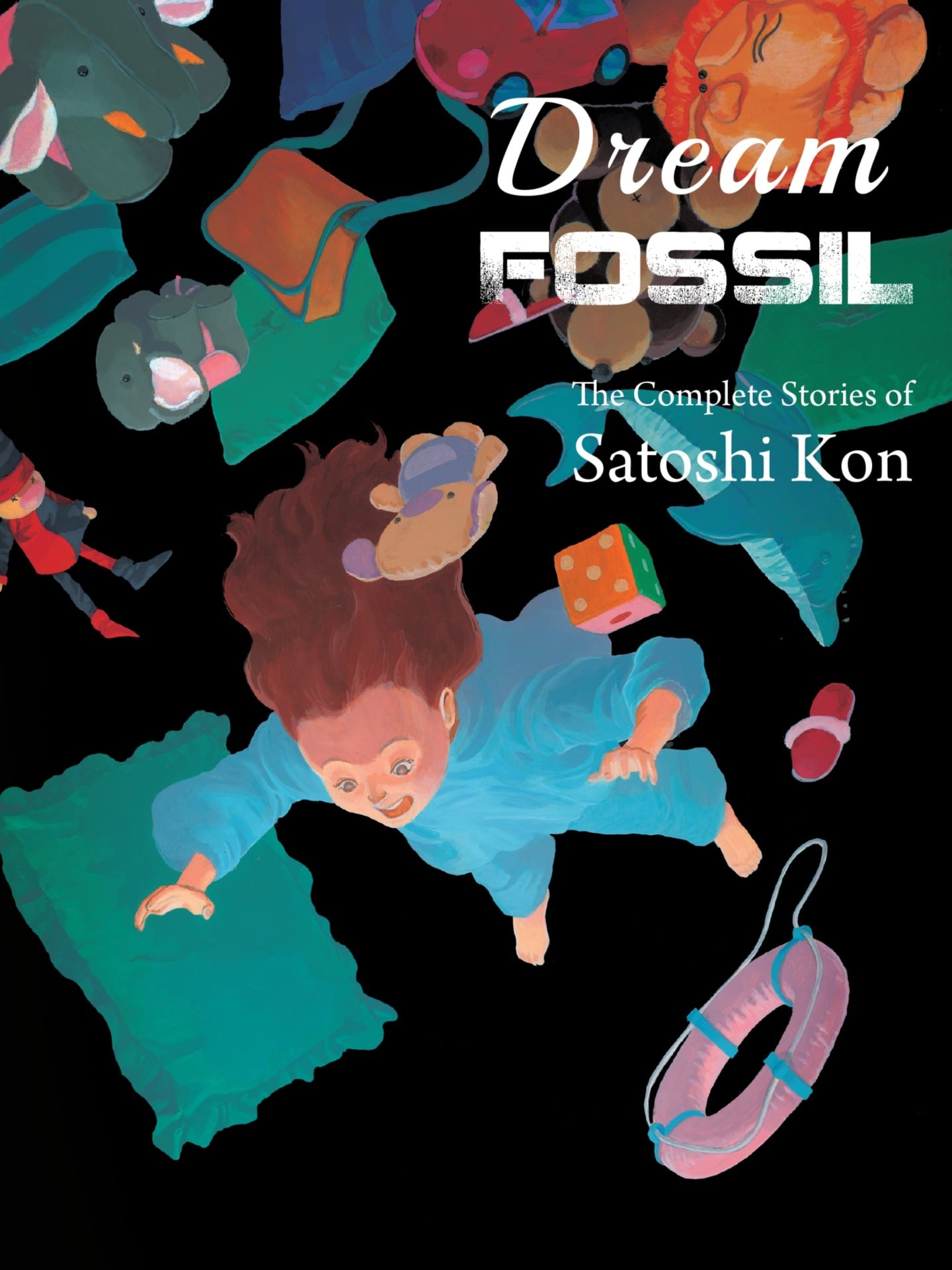
I bought it on impulse, and that impulse turned into a week of re-reading my favorite films with new angles. Dream Fossil collects fifteen short stories Kon drew before he became the auteur film audiences praise and directors like Christopher Nolan and Darren Aronofsky publicly admire. These pages show the same obsession with memory, identity, and tonal whiplash that would later define his movies, but they also reveal his softer, nostalgic side.
The collection swings between speculative thrillers and warm slice-of-life pieces. Stories such as Carve and Toriko tastefully show his early sci-fi instincts; Guests plays ghost comedy; and full-color Picnic reads like an assistant’s love letter to Katsuhiro Otomo’s Akira — Kon once worked as Otomo’s assistant, and the kinship is obvious in their linework and scope.
Some of these shorts are small, domestic miracles. Summer of Anxiety stages a meet-cute against a backdrop of petty jealousy. Joyful Bell turns mall Santa into a nocturnal guide. My favorite, Beyond The Sun, is screwball and absurd, a nurse chasing an elderly patient whose runaway hospital bed upends an entire town. These stories are a secret attic of nostalgia; they feel handcrafted, not engineered.
What manga did Satoshi Kon write?
Kon’s notable manga work includes Dream Fossil (a short-story anthology) and Opus (an unfinished, wildly experimental meta-manga). Publishers tied to those releases are Kodansha for Dream Fossil and Dark Horse for the English edition of Opus. If you follow Tatsuki Fujimoto’s path from short-story collections to sensation with Chainsaw Man, Kon’s trajectory feels familiar: early comics that seed later cinematic brilliance.
At a cluttered desk I opened Opus and realized Kon was having a different kind of conversation
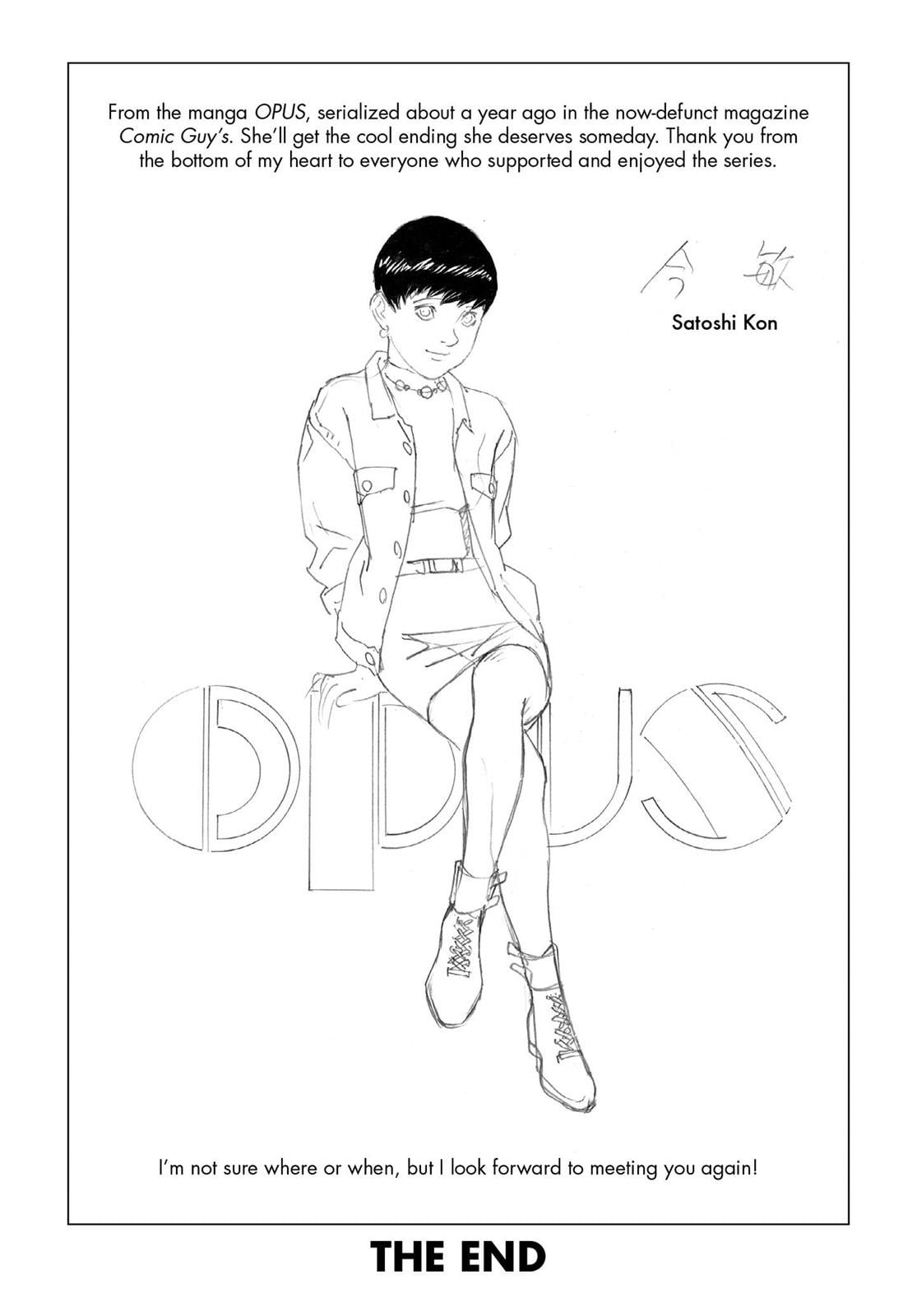
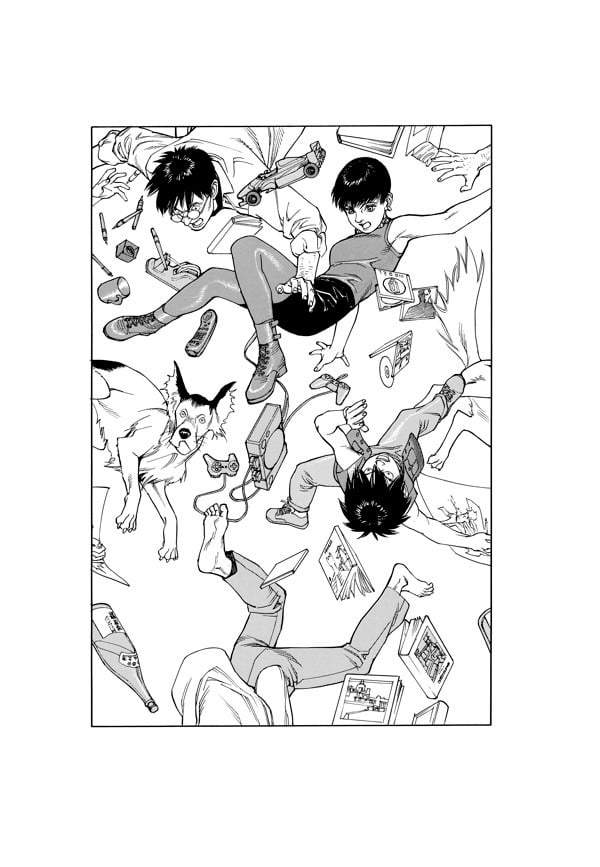
The moment I flipped Opus I knew I was reading someone pushing a medium against itself. Opus follows Chikara Nagai, a mangaka finishing a sci-fi series called Resonance, who discovers one of his characters has stolen the final page — and then drags Nagai into the comic’s world. That premise could be a gimmick; Kon turns it into an interrogation of authorship, responsibility, and the ethics of fictional violence.
The panels are astonishing. Backgrounds swell into hyper-detailed tableaux and then collapse into bare outlines as reality frays. Kon breaks the page with scenes that feel like memory mazes and book fragments folding over one another. He treats the manga form as a sculpting tool; the visual experiments are visceral and, at times, brutal.
Opus also stings because it never finished its circuit. Kon paused the series to make Perfect Blue, and that pause became permanent when he died in 2010. The original run ends on a cliffhanger that still surprises readers with its rawness. Dark Horse later added a rough, unpublished chapter Kon had worked on, and that epilogue amplifies the story’s self-aware fury — Opus is a mirror with teeth.
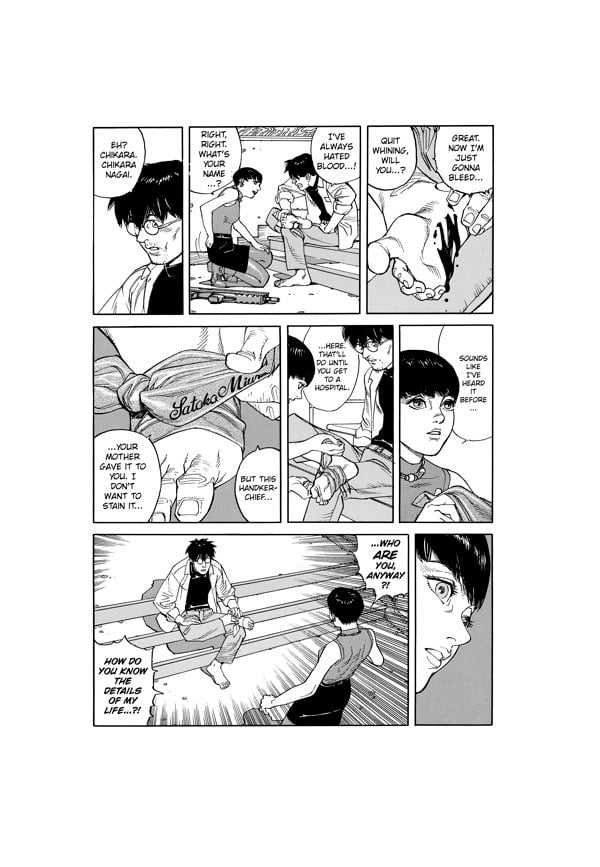
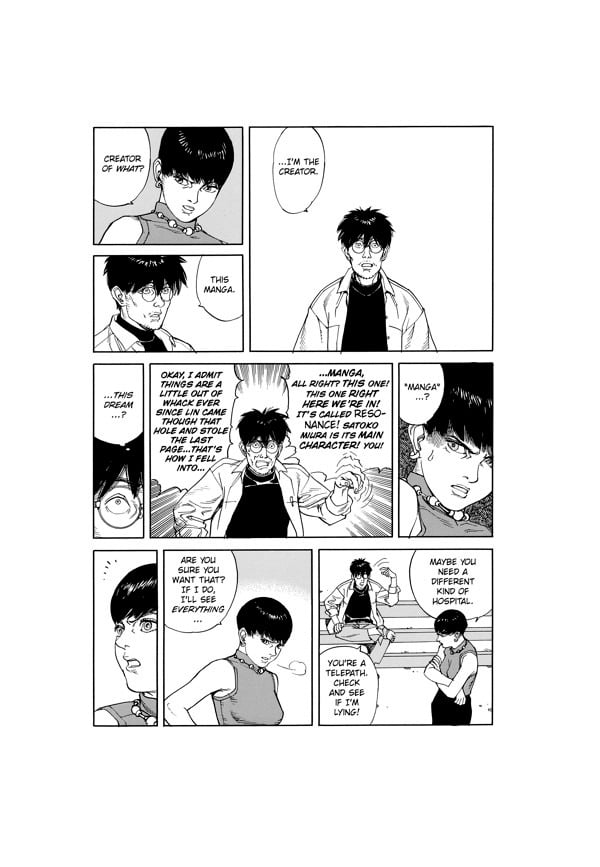
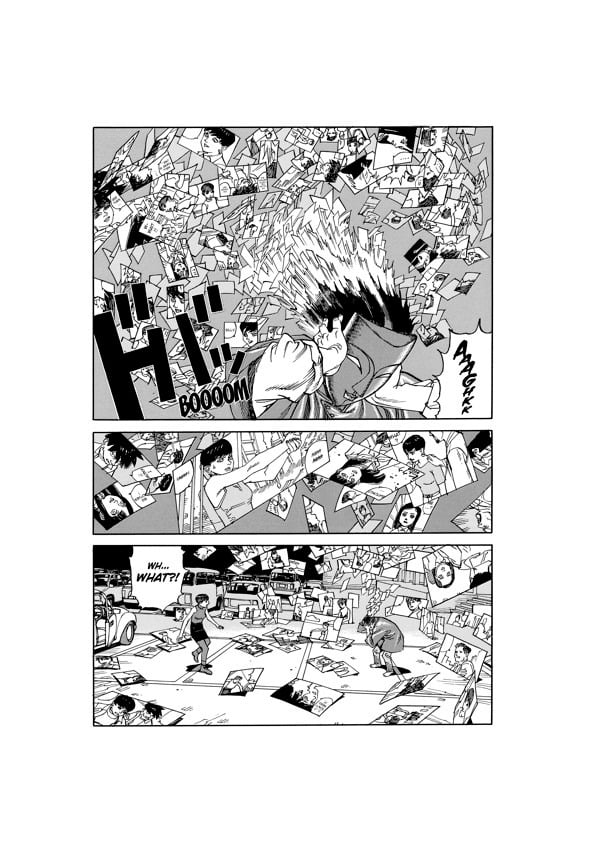
Is Opus finished?
No. Kon paused Opus to direct Perfect Blue, and he never returned to complete the series. Dark Horse later published an additional rough chapter Kon had drawn, which expands and complicates the ending but does not stitch a definitive conclusion onto the work. The result is part masterpiece, part haunting unfinished artifact.
At film panels and in Reddit threads people compare frames — and that comparison matters
Directors and critics mention Kon when talking about film and mind-bending narrative; that cultural echo gives his manga added relevance. Reading his comics lets you trace the mechanics of his later films — how a cut can function as a psychological trick, how a detail in a background can become a ghost.
If you care about animation history or screenwriting craft, these books are a masterclass in miniature. They show how an idea can live in multiple formats and how a creator moves between drawing and directing. They also reveal subtler gifts: Kon’s sense of humor, his tenderness toward characters, and his appetite for formal risk.
Where can I buy Dream Fossil and Opus?
English editions are available through Kodansha (for Dream Fossil) and Dark Horse (for Opus), and you’ll find them at major retailers like Barnes & Noble, Bookshop.org, and indie stores that stock translated manga. GKIDS handles a lot of Kon-related media in North America, and tracking those distributors can signal reprints or special editions. If a used copy shows up in a shop, don’t let it pass — demand outstrips supply.
I read Kon’s manga and felt the same chill I get the first time a director flips my expectations; these books complete a picture of a creator who loved playing with reality’s seams. They aren’t curios for completists only — they’re essential reading for anyone who wants to see how cinematic ideas look when they’re still wet on the page. Will you let Kon’s pages change the way you watch his films, or keep preferring the polished image over the messy, thrilling sketch?
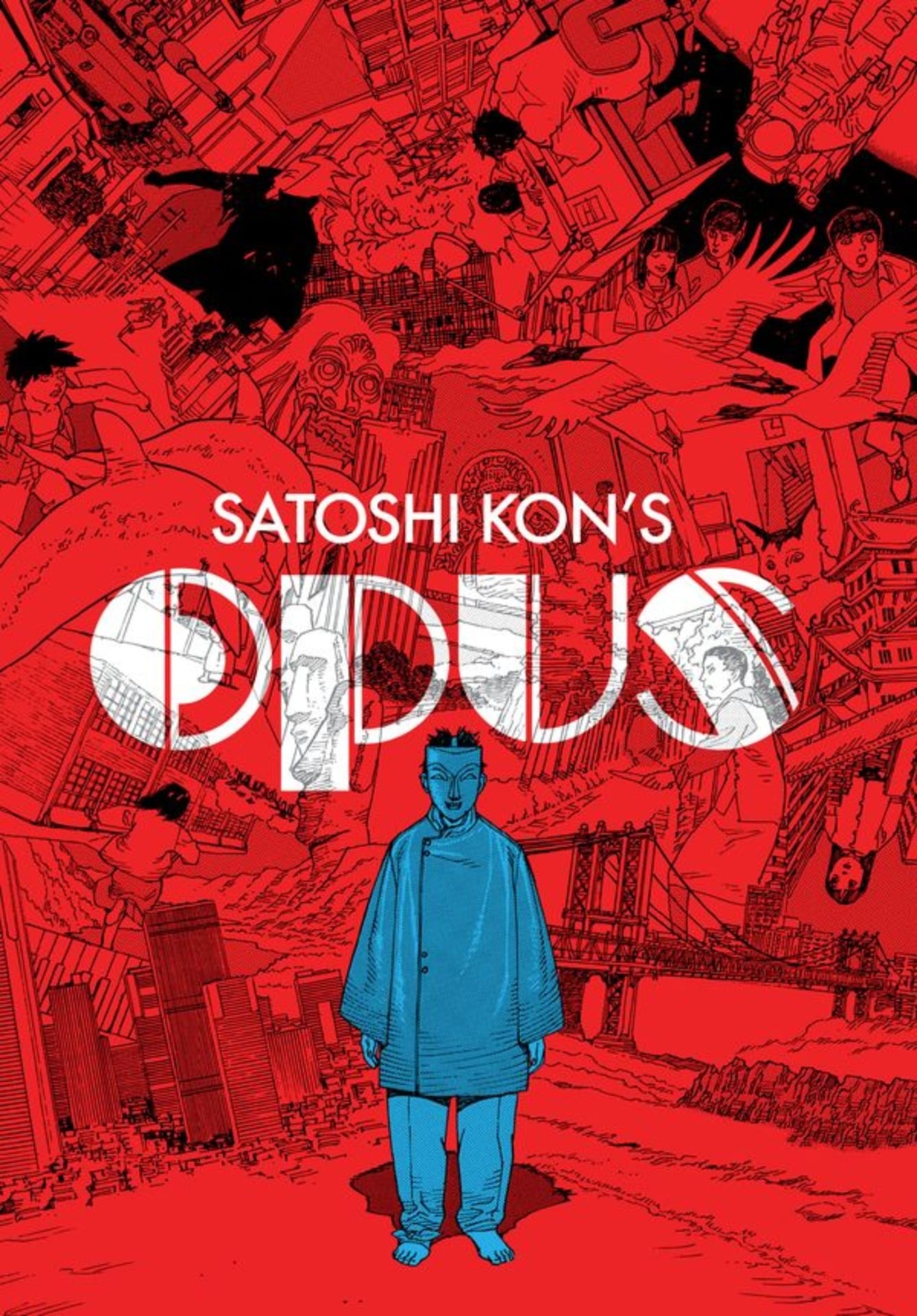
Witness the stunning remaster of PERFECT BLUE, coming to 4K UHD Steelbook for the first time ever. Packed with tons of extras including interviews & lectures from director Satoshi Kon.
Available June 16.
Pre-order now: https://t.co/AqyLo0ygZ3 pic.twitter.com/VsnVtJjTRq
— GKIDS Films (@GKIDSfilms) May 21, 2026