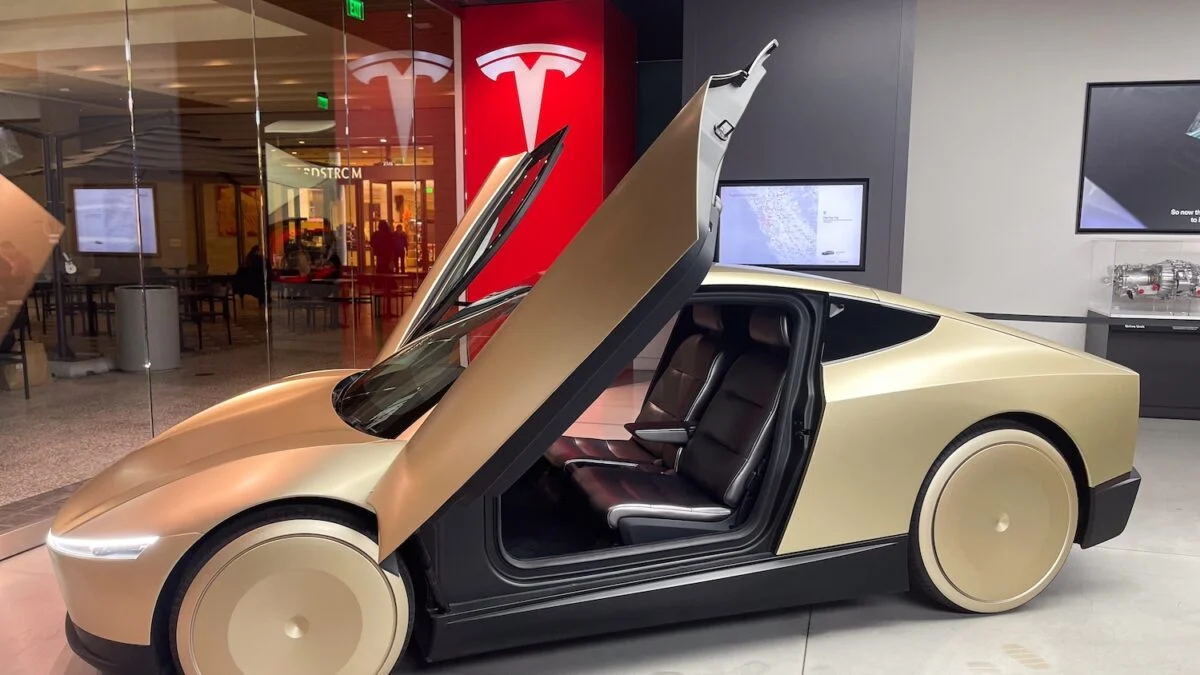
I watched a Cybercab roll out of Gigafactory Texas on X and felt the promise of a new era stall in real time. You can almost hear investors counting seats — and finding them empty. I’ve followed AV rollouts long enough to know when momentum is real and when it’s theater.
I’ll walk you through the numbers, the rules, and the reputational land mines. If you’re tracking Tesla or Waymo, you need a clear map, not hype. Here’s what the Texas registry and the recent moves really tell you.
There are only 42 Tesla robotaxis registered in Austin right now.
That figure comes from the Texas Department of Motor Vehicles database and lands like a cold fact on Tesla’s promise of a fast robotaxi rollout. By contrast, Waymo shows 577 vehicles in the same registry, Avride 317 and Nuro 47 — companies tied to Uber’s robotaxi expansion. Those raw counts flip the sales pitch into a scoreboard you can’t ignore.
Texas now requires AV operators to self-certify to SAE Level 4 standards.
The new law, now enforceable, forces operators to state that their vehicles meet Level 4 autonomy requirements. I read the rule and you should too: operators must declare compliance publicly to the TX DMV. That raises the bar for marketing claims and puts regulators squarely into the conversation about what “driverless” actually means.
Elon Musk posted a Cybercab rolling out of GigaTexas — the optics are strong, the fleet numbers aren’t.
The image on X gives fans something to point at, but the registry shows an order-of-magnitude gap versus Waymo’s presence. I’ve seen this script before: excitement around a reveal, then a long period of supervised operation and incremental updates to Full Self-Driving. For now Tesla’s deployment feels like a theater with most seats empty.
Cybercab driving itself out of the GigaTexas factory pic.twitter.com/EwAMVVDjYy
— Elon Musk (@elonmusk) May 28, 2026
How many Tesla robotaxis are in Austin?
Answer: 42 registered robotaxis as of the end of May, per the TX DMV. That’s a tiny island compared with Waymo’s 577 entries. If you’re comparing presence and operational scale, numbers matter more than tweets.
Are Tesla robotaxis truly driverless?
Tesla says its program is advancing, but public reporting and shareholder complaints show a mix of supervised modes. Musk has indicated improvements to supervised Full Self-Driving are pending later this year or early 2027. Meanwhile the law requires self-certification to Level 4, and that legal bar doesn’t care about optimistic timelines.
Why is Waymo growing faster than Tesla?
Waymo has been methodical about fleet expansion, safety disclosures, and regulatory engagement. Even when Waymo stumbles — a recent recall over road-flooding issues shows no one is immune — its scale and steady rollout keep it visibly ahead. Tesla’s cadence feels like a slow-motion chess game: dramatic moves, long pauses, and high stakes for shareholders watching the clock.
Investors who believed in a rapid Tesla pivot to driverless ride-hailing have reasons to be nervous: the public registry is a ledger of reality, not a roadmap of intent. I’ve seen markets punish promises unfulfilled, and you should factor that into any thesis about Tesla’s future in AVs.
Waymo, Avride and Nuro are making measurable inroads while Tesla refines the Cybercab and waits on FSD improvements. The endgame matters: will you bet on steady deployment and regulatory alignment, or on scale promised through spectacle?
Which side are you on now that the registry has spoken?