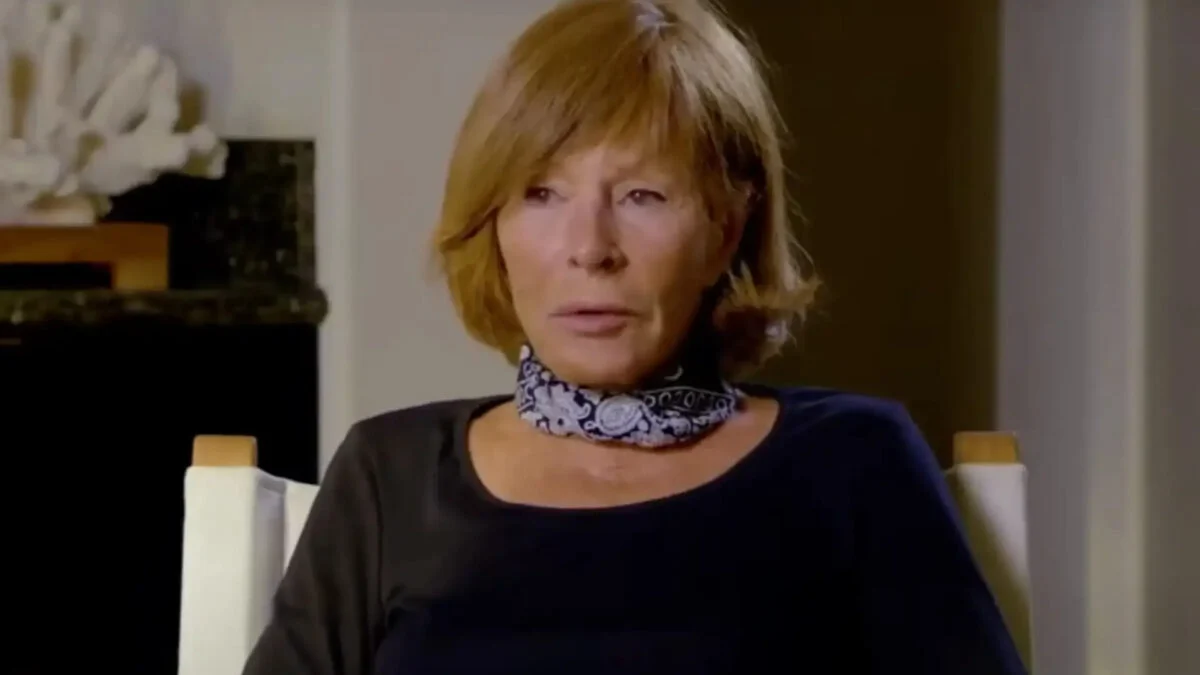
I remember the first time I watched Han Solo barrel back into the trench; the theater erupted and I realized the shot needed precise timing to land. You felt the weight of that return because the edit told you he mattered. That precise editing came from Marcia Lucas, who died Friday at 80 from metastatic cancer.
In a cramped editing bay: RIP Marcia Lucas, Award-Winning Editor of Star Wars
I’ll say it plainly: I learned to read a film by watching her cuts. You might not have known her name, but you know the moments she shaped — the return, the pause, the breath before a line lands.
Who was Marcia Lucas?
She began life in Hollywood quietly: born October 4, 1945 (née Griffin), she worked as a film librarian and earned an apprenticeship with the Motion Picture Editors Guild. I met her through records and credits long before I ever met her personally; she apprenticed under Verna Fields, edited promos and trailers, and was an assistant editor on a 1967 documentary covering Lyndon B. Johnson’s Asia trip — the job where she met a young USC student named George Lucas.
She moved up fast. After serving as an AE on George’s THX 1138, her first lead edit was 1973’s American Graffiti, a collaboration with Fields that earned an Academy Award nomination for Best Film Editing. She later edited Martin Scorsese’s studio debut, Alice Doesn’t Live Here Anymore, before joining what would become the most scrutinized editing room in cinema history: Star Wars.
On the set of Star Wars, a duel became a choice: the moment Obi‑Wan dies
The original edit on Star Wars began with John Jympson, but the production shifted and Marcia stepped in as co-editor with George Lucas. I want you to imagine the pressure: a galaxy-sized tentpole with millions of expectations and eight weeks where she handled the Death Star run alone.
Her cuts were a scalpel in the chaos of that sequence. She sculpted Han Solo’s return so it lands as a proper emotional beat, and she was the one who urged George that Obi‑Wan should die during the duel with Darth Vader — a choice that reshaped the film’s moral center.
At awards season, credit and omission: nominations, influence, and the quiet of the cutting room
Academy season is a fluorescent-lit reality where names either glow or fall into small print. Marcia earned one of those glowing nods for American Graffiti, but much of her influence remained uncredited in public conversation.
She assisted on films such as The Rain People and The Candidate, and held supervisory roles on Taxi Driver and New York, New York. Critics and industry figures — from Verna Fields to Martin Scorsese and the Motion Picture Editors Guild — have long pointed to her work as foundational to the tempo and emotional intelligence of those projects.
What films did Marcia Lucas edit?
Her lead credits include American Graffiti, Alice Doesn’t Live Here Anymore, Star Wars, and a return on Return of the Jedi. She also influenced the endings and emotional choices on films like Raiders of the Lost Ark, insisting that Indiana and Marion share closure. Beyond that, she assisted and supervised edits on influential films across the 1970s.
In family rooms and folding chairs: stepping back, returning, and the life after the cutting room
She stepped away from a full-time cutting life to raise a family, and then she came back to contribute where it mattered. You should see that as a career map that refuses tidy labels.
Lucasfilm’s eulogy and family statements recall her as “a brilliant storyteller, a trailblazer for women in film, a loving mother and grandmother, a generous host, and a loyal friend.” In a 1983 interview with Time Magazine she said she had “an innate ability to take good material and make it better, and to take bad material and make it fair.”
Her edits were the secret heartbeat of those scenes, giving them rhythm and clarity where the script or camera could not.
Did Marcia Lucas win an Oscar?
She did not win an Academy Award, though she was nominated for Best Film Editing for American Graffiti alongside Verna Fields. Her legacy reads differently than trophies: directors, editors, and colleagues often cite her instincts as a reason key moments in modern blockbusters work the way they do.
Deadline and StarWars.com carried family tributes after her death; they quoted relatives calling her influence “indelible” and spoke of the way she made life “more vivid, more beautiful, more fun, and more full of love.” She is survived by her children and grandchildren, and by a long list of filmmakers who practiced their craft using the grammar she helped refine.
When you watch those films now — from Taxi Driver to Return of the Jedi — you are seeing editing choices that shifted an industry, shaped character stakes, and taught whole generations how to feel on camera. History will argue over credits and bylines, but the cuts remain. Who will finally name her as the force behind those invisible moves?