
A campaign rally goes quiet when someone mentions GTA 6. The room fills with a mix of laughter and real worry. A tweet from Jean‑Luc Mélenchon turns a console announcement into a political headline.
I’ve followed media standoffs before; you notice patterns quickly. You’re seeing one now: a tech decision spilling into politics, culture, and law. I’ll walk you through what happened, why it matters, and what you might actually be able to do about it.
At a café near the campaign office, someone asked aloud whether games can still be owned. Mélenchon tweeted that discless releases strip consumers of resale and loan rights, and called games “cultural assets.”
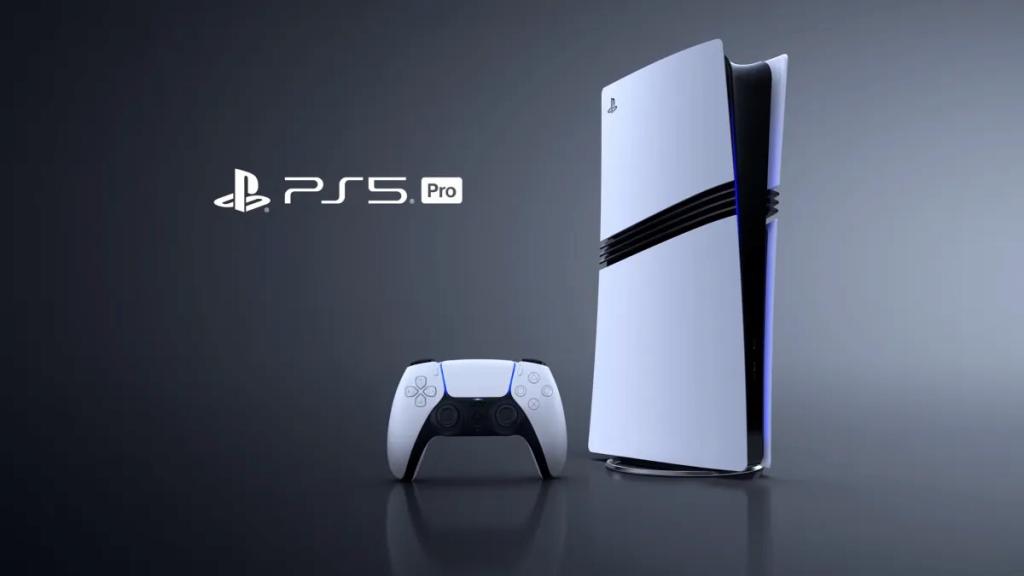
You probably saw the tweet: Jean‑Luc Mélenchon, leader of La France Insoumise, slammed Sony’s plan to stop selling physical discs by 2028 and flagged GTA 6 going digital‑only as the canary. He argues purchases that are merely licenses should be treated under laws that protect cultural goods—an appeal to French cultural policy and European consumer rights.
This is not theater for the cameras alone. Mélenchon finished third in 2022 with nearly 22 percent in round one, so his words carry weight with voters and regulators alike. When a candidate frames a tech choice as an attack on ownership, it forces the debate out of gaming forums and into the legislative arena.
What does a discless PlayStation mean for ownership?
When you buy a digital game you’re usually buying a license, not a copy. That means resale, lending, or guaranteed perpetual access can vanish if a platform changes policy or shutters servers. Yes, a $69.99 game (about €65) can vanish from your library under current models.
At a hardware store window, I watched people inspect end‑of‑life DVD players. Sony’s announcement echoes that slow fade: physical shelves will empty over years, not overnight.
Manufacturers like Sony and platform holders such as Microsoft are betting on download stores, streaming, and subscription models. Xbox has flirted with similar shifts. For companies, digital means lower retail costs, tighter DRM control, and easier updates. For consumers, it means fewer tangible backups and more dependence on corporate servers and platform policy.
This is also a question of market power. Platforms—PlayStation Store, Xbox Store, Steam, Epic Games Store—control listings, patches, and presence. They decide what stays, what’s delisted, and when an online title finally goes dark. You can treat your library like a shelf, but under current terms that shelf can be moved by someone else.
Can politicians prevent companies from going all‑digital?
Short answer: yes—sometimes. France and the EU can legislate consumer protections: resale rights for digital goods, mandatory offline modes, or cultural exemptions that treat games like books or films. Mélenchon is calling for law to apply to games as cultural products—an argument that fits with existing French protections for cinema and publishing.
But laws take time. Enforcement will pit national rules against multinational platforms. Expect lobbying from Sony, Microsoft, and publishers; expect pressure from indie developers who rely on digital distribution. You, as a voter or customer, can push this faster by making the issue visible and contacting representatives.
At a kitchen table, a parent asked whether their child’s library could disappear overnight. The anxiety is real: ownership means permanence for families and collectors.
I hear that worry everywhere: collectors who preserve special editions, parents who pass games between siblings, and archivists who treat gaming history like heritage. Treating games purely as licenses makes those practices fragile—like a rug pulled from under cultural continuity is one metaphor—and digital libraries risk becoming sandcastles at high tide is another metaphor.
There are practical steps you can take: favor platforms with clear resale or family‑sharing policies, keep receipts, and push for contractual transparency. Support organizations that push for preservation and rights, and monitor announcements from Sony, Rockstar, and Microsoft—because corporate roadmaps shape what you can own.
I’ve laid out the politics, the tech, and the human stakes. You can treat this as a niche kerfuffle or as the start of a public policy fight over how we own culture. Which will you do—watch quietly, or turn your controller into a ballot?