
I was perched on a narrow canal roof when my controller froze and the city’s bustle turned into a single, maddening pause. You know that twitch — the moment a game rips you out of its groove — and yet Amsterdam still felt familiar in a way that tugged at my memory. That pause told me everything I needed to test: was this Brotherhood nostalgia or a fresh sisterhood with teeth?
I’ll cut to the point: I played 1666: Amsterdam with the expectation that it would echo Assassin’s Creed Brotherhood, and I wanted you to know whether it’s homage, copy, or something audaciously new. I’m writing as someone who has followed Patrice Désilets’ work and spent more hours than I’ll admit roaming Ezio’s rooftops — and I’ll tell you what to expect, where the game shines, and what still pulls the moment out of your hands.
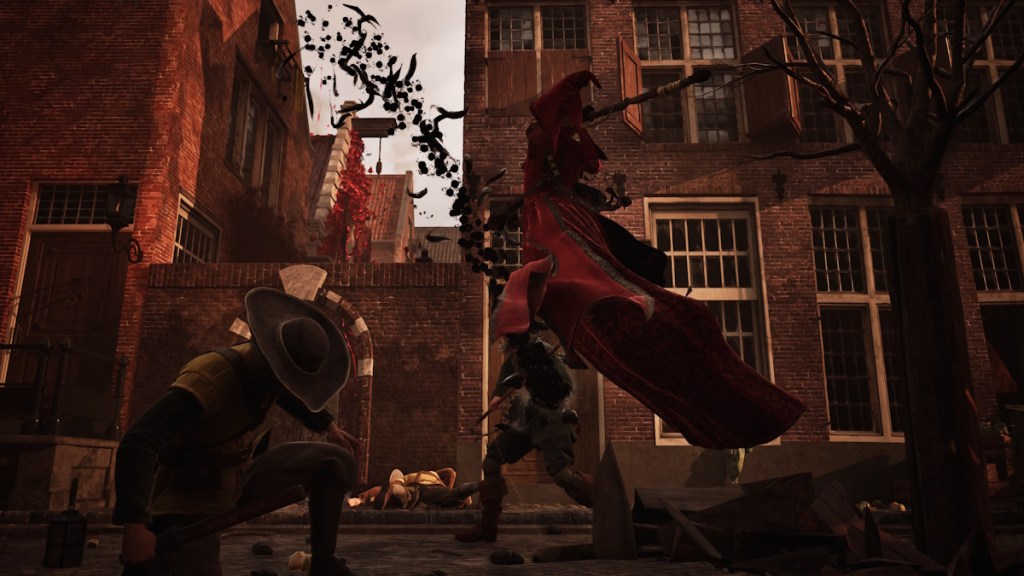
I found a journal wedged behind a brick — Exploration Is the Real Star in 1666: Amsterdam
On paper this could have been an exercise in nostalgia; in practice, the city asks you to pay attention. The game rewards curiosity: give you a name, a clue, a direction, and it expects you to put the pieces together instead of following a glowing arrow. That design choice turns routine tasks into small triumphs.
The city is a living book — every alley, ledger, and rooftop holds a sentence that can change how you solve a case. Noa’s investigative tools make reading the environment satisfying. When you trace footprints, open drawers, and decode a scrap of text, you get the same payoff as solving a locked-room puzzle.
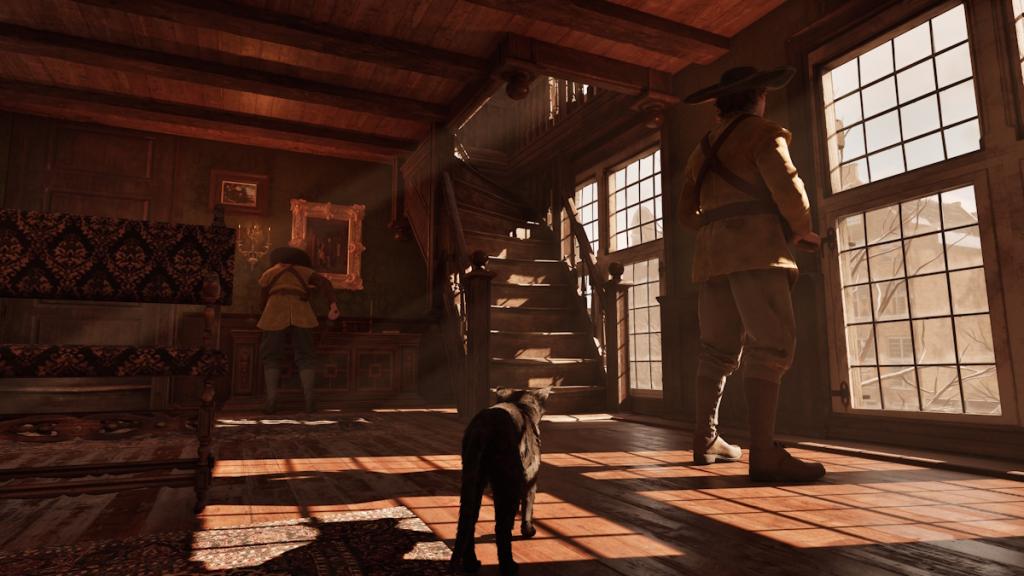
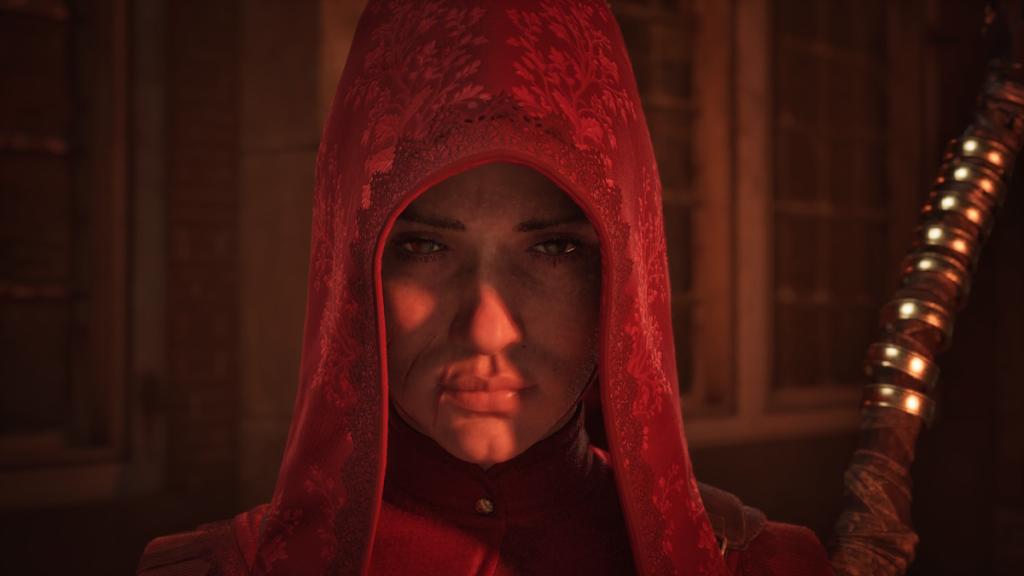
Mechanically, the game hands you choices. Noa’s witchcraft reshapes the scene; Aaron the cat squeezes through gaps, opens up alternative routes, and distracts guards. The possession system feels smart: taking control of the right person can transform an approach from brute force into a staged entry.
Is 1666: Amsterdam similar to Assassin’s Creed Brotherhood?
Short answer: yes and no. The combat rhythm and rooftop traversal trigger that Ezio-era memory, and references to the Animus and Ubisoft-era fingerprints are audible. But Panache Digital Games, led by creators with ties to the AC conversation, crafts a different spine: emphasis on investigation, magic, and a dual-era narrative gives it its own identity.
Can you play as a cat in 1666: Amsterdam?
Yes — and Aaron is more than charm. He’s a gameplay tool that shifts how you read levels. As Aaron you open alternate routes, distract or possess NPCs, and nudge story beats forward from angles Noa cannot reach. If you like stealth games on Steam or the freedom of PS5 open worlds, this cat will change how you approach problems.
I stuck a blade into a training dummy and waited — Combat Right out of the Books of Ezio
Combat hits with a clean, familiar cadence: attack, evade, use an ability. It’s built around timing and choice rather than complex combos. That makes fights approachable while still rewarding investment when Noa grows stronger.
Combat is a tightly wound clock; once the gears mesh the encounters click. Boss fights give room to experiment with multiple solutions. You can use witchcraft to change the battlefield, and the game often trusts you to pick your lane instead of forcing a single answer.
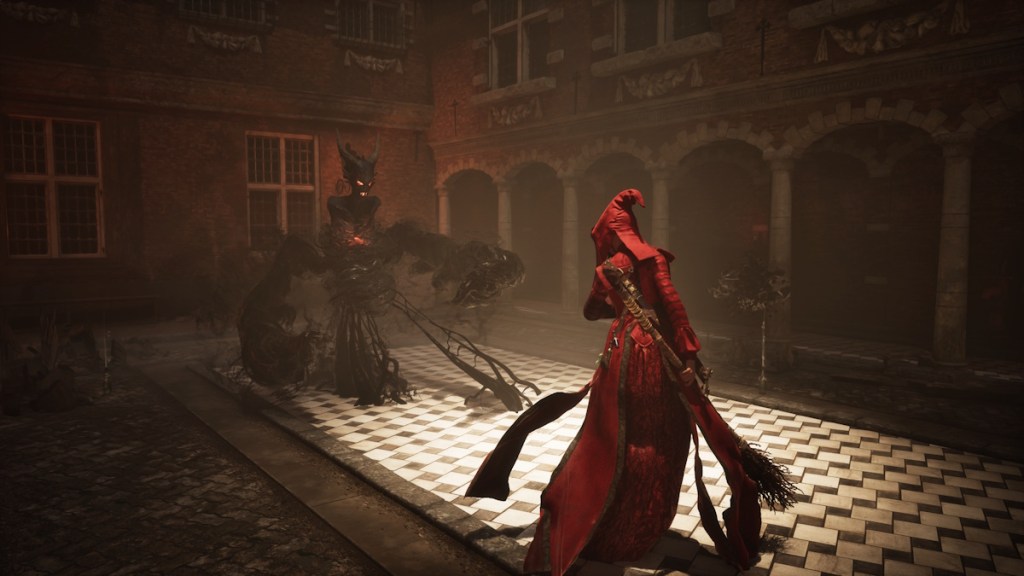
It is not a complex fighter in the way some action-RPGs are, but that simplicity is a strength: it keeps the focus on exploration and invention. That said, occasional bugs steal momentum. Getting stuck on geometry or encountering a freeze during a stealth sequence is infuriating, because the design shines when systems work together.
I held a paperback of Desmond’s journal in my hand — I Wanted More Modern Day from the OG Creator of AC Trilogy
The 1999 sections are quieter: Clio reads, pieces together her father’s notes, and provides context. They work as narrative glue, but I wanted more weight to those moments — more agency, more payoff in the modern thread.
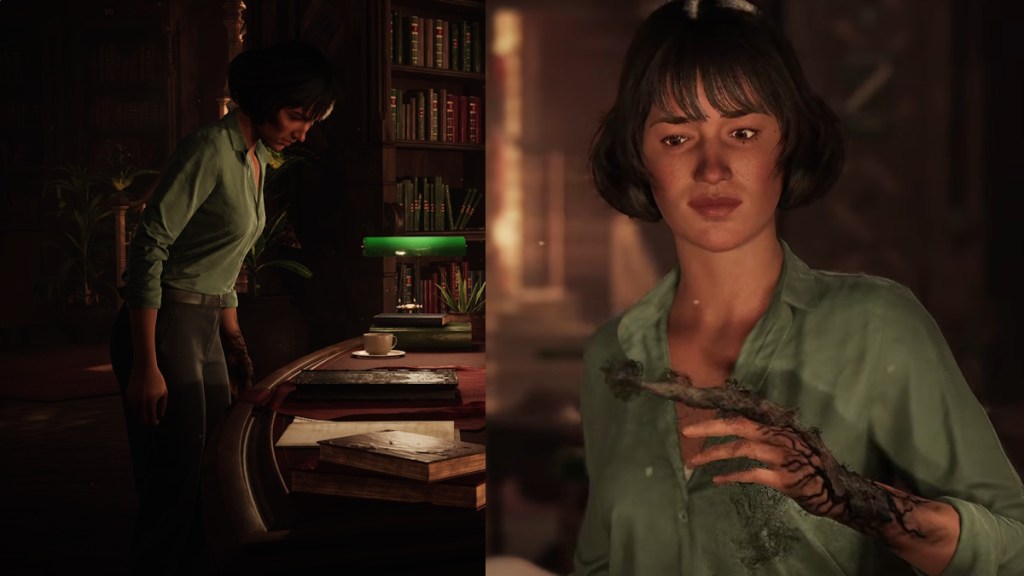
If you carry nostalgia for Desmond-era missions in Ubisoft’s Assassin’s Creed, you’ll see echoes here. Patrice Désilets’ fingerprints show in the ambition: the time-slip premise and the interplay between eras could be fertile ground. I wanted Clio to be more than a reader of notes; she should be an investigator in the present, actively shifting outcomes across centuries.
Panache has the chance to give the modern thread sharper tools — richer hacking-style puzzles, more active exploration in 1999’s spaces, or sequences that let Clio directly affect 1666. That would lift the whole narrative higher.
I closed the game and wanted more — 1666 Is a Promising Witchy Adventure
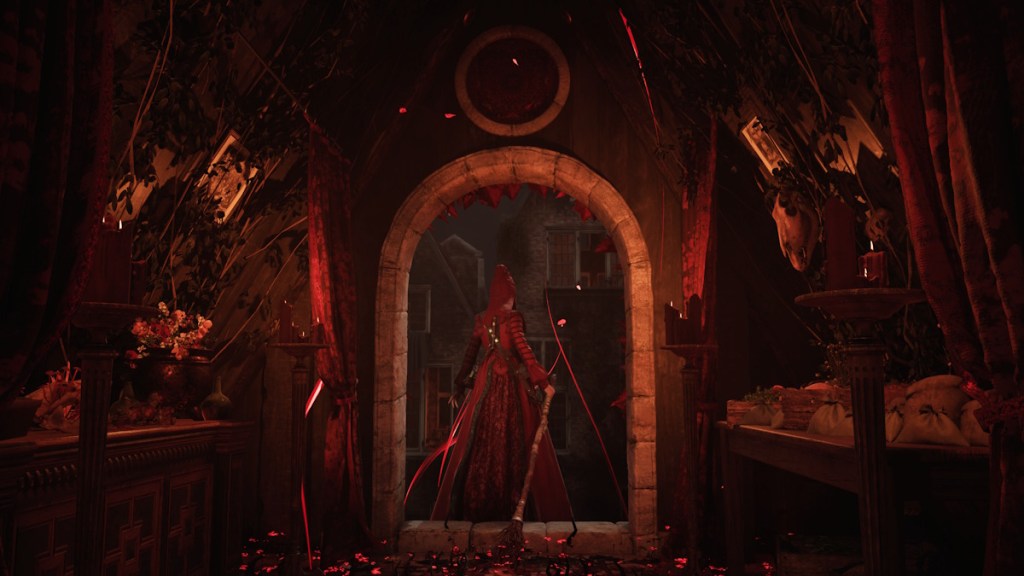
Noa and Aaron form a strong duo. The exploration rewards patience, possession opens creative routes, and the city design encourages you to think of NPCs and buildings as tools rather than scenery. I left the game curious about where Panache Digital Games will take their ideas next.
If Panache smooths the technical rough spots and expands Clio’s role in the present, this could be a real contender on PC, PS5, and Xbox Series X|S — a game that trades in familiar rhythms while staking its own identity. The question is not whether Brotherhood influenced it, but whether Sisterhood will push the conversation forward — are you ready to take that debate to the rooftops?