
My phone buzzed twice in five minutes — a Nintendo banner, then a follow-up alert. I stopped what I was doing and felt the thrum of the moment: two Directs, back-to-back. If you own a Switch 2 or are thinking about one, that rhythm matters.
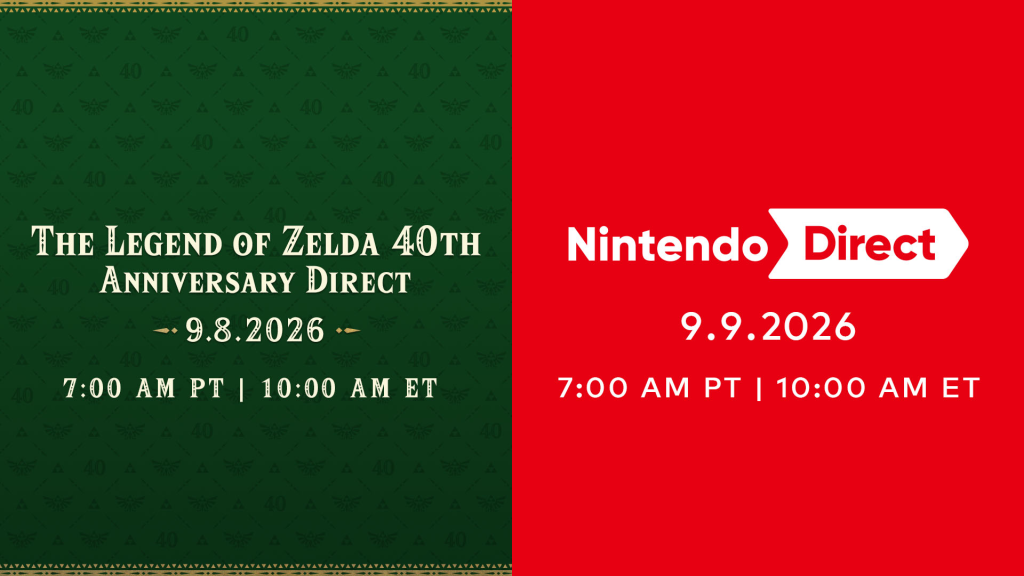
Nintendo has scheduled consecutive Direct presentations next week: a 30-minute show dedicated to The Legend of Zelda’s 40th anniversary and a 45-minute general broadcast covering new games and features for Switch 2 and Switch. The timing and scope suggest this is more than routine marketing; it’s a concentrated push to set the next six months of the platform on fire.
At a midnight line at a store I heard two people arguing about release dates — Why Zelda’s anniversary slot matters
When a franchise as large as The Legend of Zelda gets a 30-minute spotlight, expect distinct announcements: the Ocarina of Time remake, details about the upcoming Zelda movie, and packaging for collectors and bundles. I’ve been tracking Nintendo’s cadence — holiday releases, hardware pushes, retail bundles — and this fits the playbook for a push before the shopping rush.
When are the Nintendo Directs happening?
Nintendo confirmed the two Directs take place next week on consecutive days: a Zelda-focused 30-minute presentation, then a 45-minute general Nintendo Direct the following day. Treat the Zelda showcase as a targeted celebration and the second show as the broader product roadmap for Switch 2 and current Switch owners.
Will the Ocarina of Time remake launch before Black Friday?
My bet is yes. The remake was announced for this year, and a late-October or early-November release lines up with bundle SKUs and retailer plans. I’m watching Oct. 29, Nov. 5, and Nov. 12 as likely candidates; Nintendo commonly times marquee releases to land ahead of major sales windows.
In a Discord dev channel this morning someone shared build notes — What the second Direct signals about software
The 45-minute general Direct is where Nintendo fits the larger pipeline: new exclusives, Switch 2 ports, and third-party confirmations. This generation the company has quietly shipped excellent exclusives — Splatoon Raiders, Pokémon Pokopia, Star Fox, Yoshi and the Mysterious Book — and more are queued: Fire Emblem: Fortune’s Weave, The Duskbloods, Pokémon Winds and Waves. The platform is gaining momentum and pulling third-party support in ways that surprise people used to Sony and Microsoft’s flashier tactics.
Switch 2 is serving both first-party fans and multiplatform players. Big third-party names — Capcom with Resident Evil Requiem, CD Projekt with Cyberpunk 2077, Supergiant with Hades 2, Square Enix with Final Fantasy VII Rebirth — have leaned into the machine. Sports and shooters are returning, too: expect more on franchises such as Madden and Call of Duty. The console’s software pull is becoming powerful, like a magnet in a pile of needles.
At a friend’s house this weekend I noticed a stack of cartridges on the table — Why physical media still matters to Nintendo
Cartridges and physical SKUs remain a selling point for Nintendo. You and I both know collectors and casual buyers care about tangible editions: hardware bundles, special boxes, and cartridge-first retail. Physical availability gives Nintendo leverage against subscription-only or download-heavy competitors, and it helps preserve retail relationships with GameStop and local stores.
If Nintendo keeps releasing compelling exclusives, supports physical formats, and times big releases before holiday shopping, Switch 2’s case for ownership strengthens. You don’t need to take my word for it — just look at recent releases and the studio chatter surrounding next year’s roadmap.
So what matters next week is simple: did Nintendo convert talk into dates, and did it map those dates to hardware and retail moves? I’ll be watching the Directs for release timing, bundle strategy, and any surprise third-party confirmations that shift the platform balance. Are you ready to defend your purchase or rethink it after the doubleheader?