
He sat across from an executive and heard the question that can kill a project: “Who is this movie for?” I watched Brad Bird’s face register disbelief, then patience, then a stubborn grin. Years later, Netflix handed him the keys.
I’ve watched the first 30 minutes of Ray Gunn, talked to Bird, and traced how a noir-sci-fi idea wandered through decades of studio paperwork, ownership shifts, and the pandemic until it landed where it could finally breathe. You know his work—The Incredibles, Ratatouille, The Iron Giant—so you should also know what he fought to protect: story, tone, and a very specific animated world.
I watched the footage in a small screening room. The first 10 minutes feel like a live-action scene filmed in animation.
I say that because Bird wanted you to forget the medium and pay attention to characters. The scene is packed with human rhythms, small talk, and those offhand beats John Hubley pioneered when he recorded real voices and animated to them. Bird told io9 he loves that spontaneity—voices that feel lived-in, not read from a clipboard.
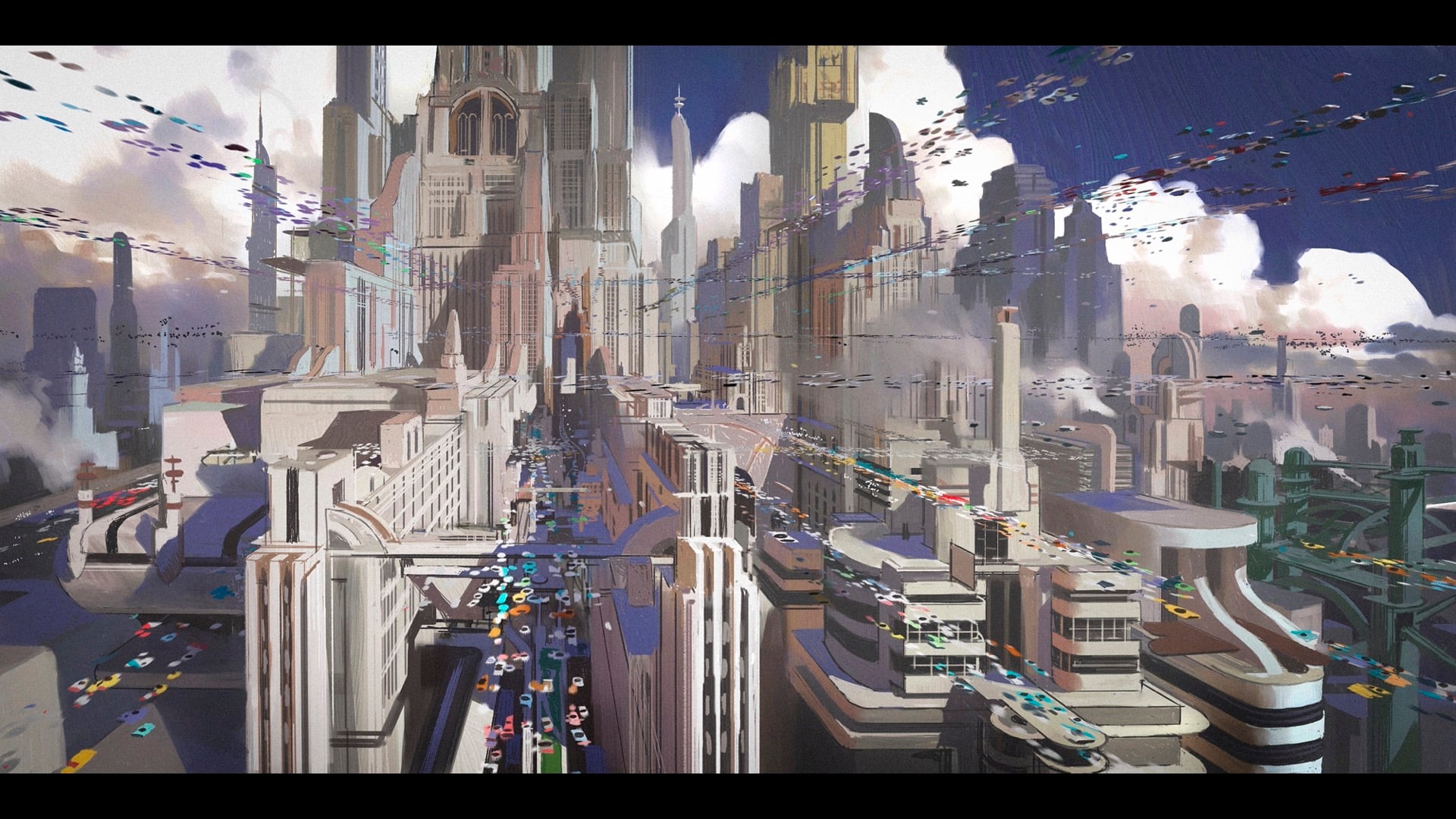
That choice is why Ray Gunn doesn’t trade on cartoon shorthand. It lets humans do human things inside outrageous sets: Metropia’s alleys, neon canals, and the smoky interiors where Ray chases answers. The result is a film that, to me, behaves like a normal movie made with animation tools.
How long did Brad Bird work on Ray Gunn?
He carried the idea for decades—more than 30 years. It was a file that moved between companies, froze, thawed, and waited while Bird made other films at Pixar and won Oscars. Regaining the rights, moving it into turnaround, and finding a home at Netflix happened late in the process; the pandemic scattered timing, but also created breathing room for the project to find its place.
I once watched an executive ask the blunt question that froze the room. Financing was the answer that followed.
Bird says the single biggest barrier wasn’t creativity; it was money. Studios asked for safe patterns—if red shirts sell, make more red shirts—and they struggle when a film deviates from the expected animation template. Bird heard that and pushed back: he’d been offered live-action alternatives, he’d been advised to change format, but he refused to strip the story of the tone that made it Ray Gunn.
There’s a tension here: you have an auteur with Oscars and a resume at Pixar, and a business that prefers templates. Bird’s comeback was simple: “It’s for people that like movies.” The bluntness landed like a promise from someone who has weathered flops, critics, and small triumphs alike.
Why did Ray Gunn switch from 2D to CG?
Perception drove that shift. Hollywood often pigeonholes hand-drawn animation as fairy-tale material and assumes commercial risk for anything outside that lane. Bird argues you can make a profitable hand-drawn film, but studios run algorithms and pattern-matching on past hits. Netflix ultimately gave Bird the latitude to keep his voice while deploying modern tools for scale.
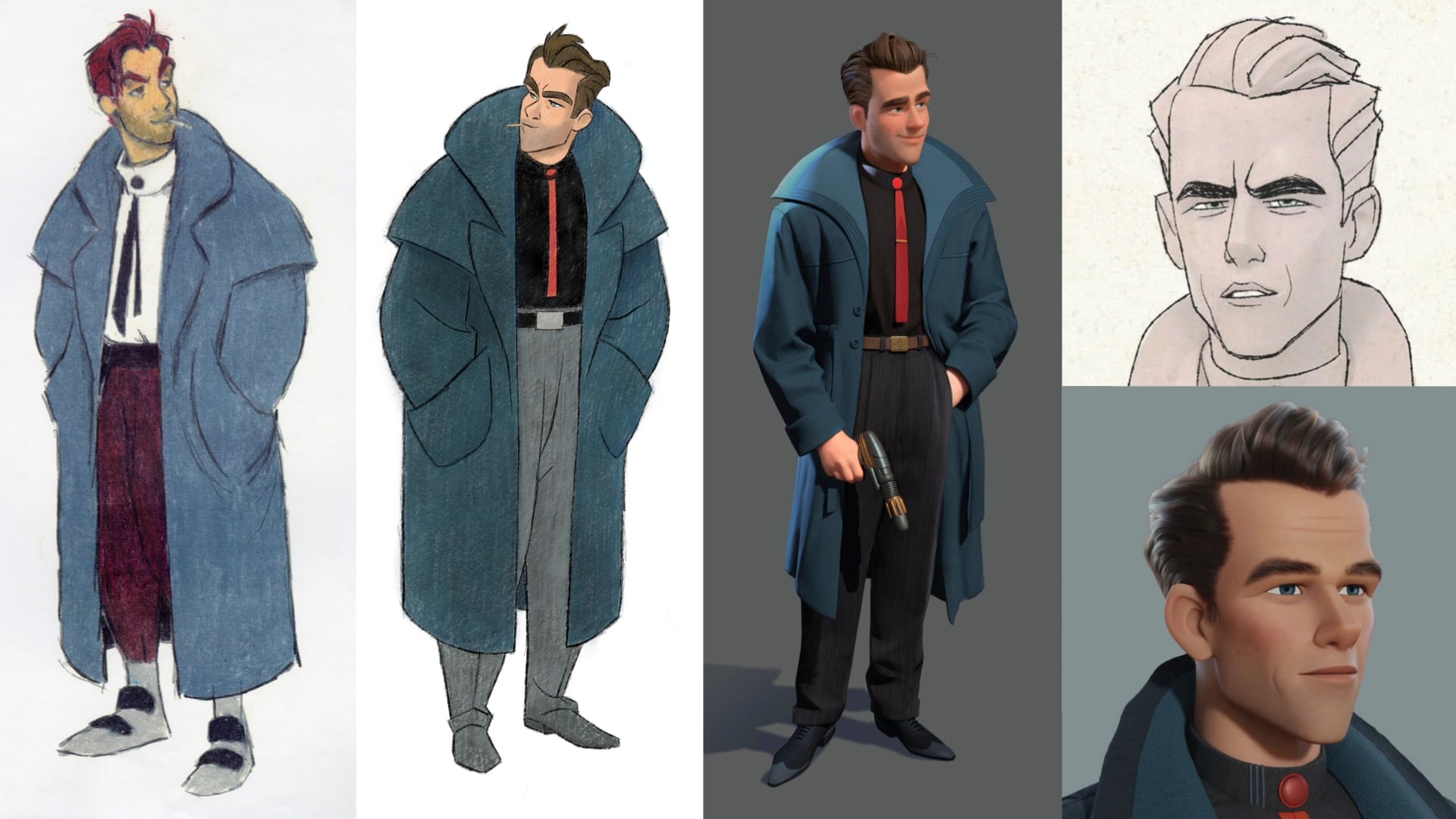
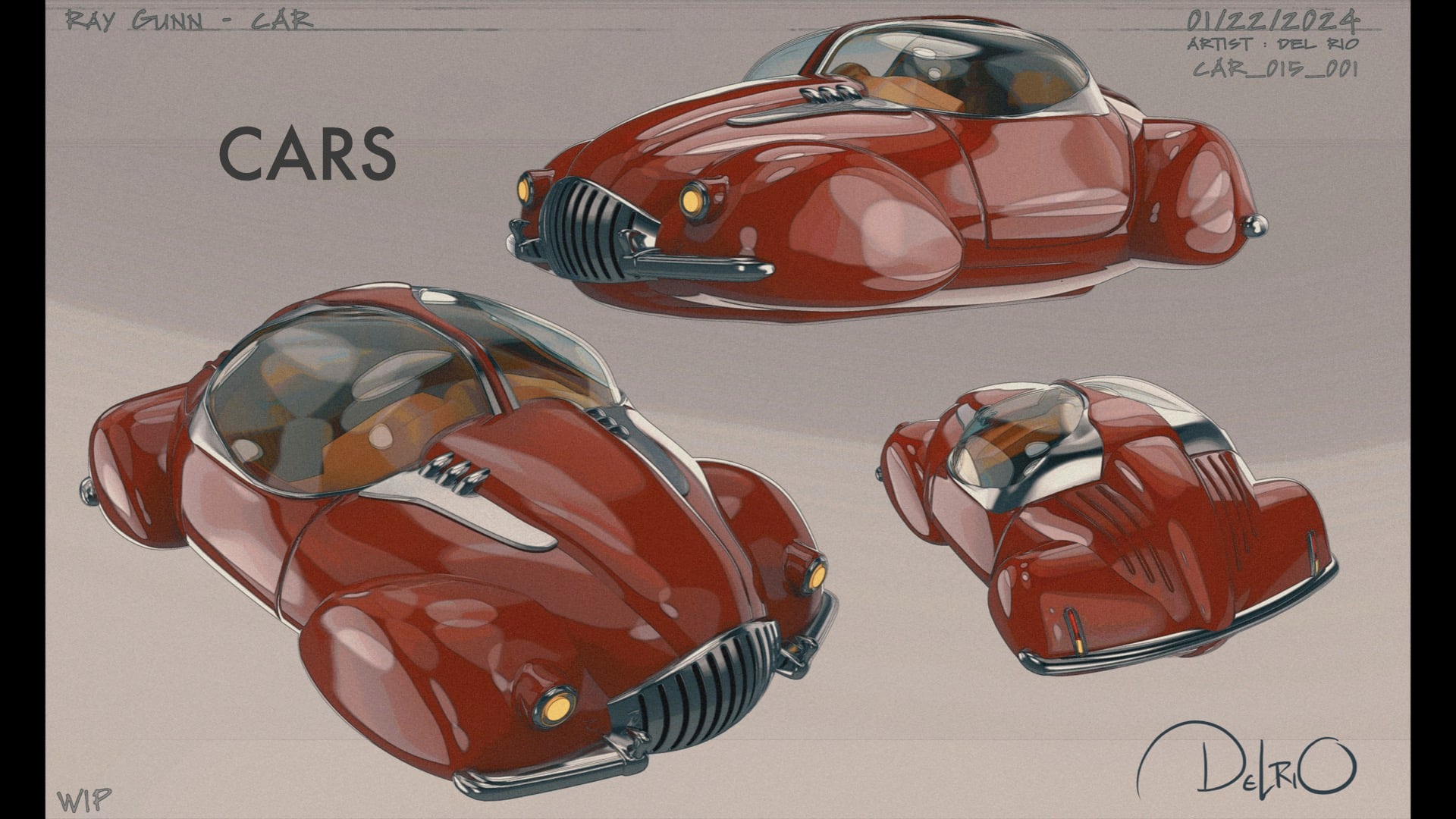
I saw concept art and prototypes at the table. Design was a serious obsession for the team.
Bird recruited specialists—Eddie Del Rio designed the film’s signature gun, and the crew labored over how a device that sucks matter in and spits it back out would behave. The prop feels tactile in screen tests; it opens like a mechanical flower and moves with intention. That level of detail matters because it signals to collectors and fans that this is a lived-in world.
Bird even imagines premium merchandise: high-end collectibles from Japanese makers, the kind Peter Jackson’s team sold when he had his crew make quirky ray guns between Lord of the Rings shoots. If you care about props—Aliens, Terminator 2—you’ll spot the lineage in Bird’s approach.
I asked about Star Wars because the story has been told before—around campfires, on trade floors, in rumor lists.
Bird confirmed he was close. He’d already promised Tomorrowland when the offer to discuss Star Wars arrived. The anecdote he offered—watching an episode of South Park with Cartman and a lightsaber while scouting in Florida—feels like a moment borrowed from a movie, except it was real. He chose to stay with Tomorrowland, believing that project needed to exist then, although he accepts it didn’t land as he hoped.
Was Brad Bird going to direct a Star Wars movie?
Short answer: yes, for a time. He weighed it, but he was committed to finishing what he’d started on Tomorrowland. Bird believed the latter deserved a shot and that walking away might have let it die; that sense of responsibility won out. He still thinks a Star Wars film would have been a major event regardless of the director attached.
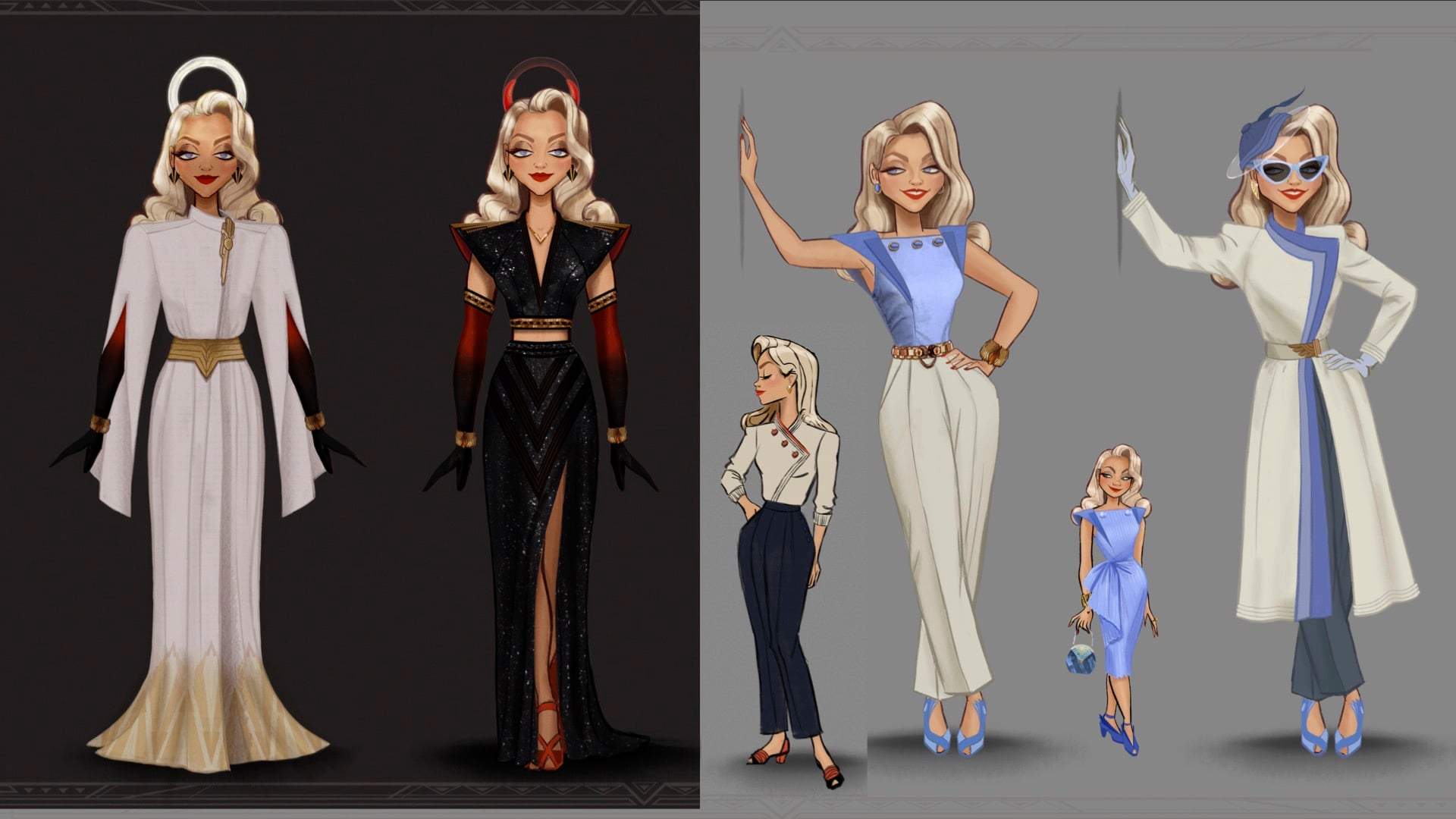
Bird kept the core of Ray Gunn intact: the ending, the characters, the hard-boiled heart. He shifted some beats—Vanzine became a woman, some scenes were trimmed—but the spine remained. The cast includes Sam Rockwell, Scarlett Johansson, and Tom Waits, and Netflix is releasing the film in select theaters on December 4 before it streams on Netflix on December 18.
I’ll leave you with one thought: when a director with Bird’s track record—Pixar, Oscars, animated classics—tells you a film needed to be made a certain way, do you trust the instinct or the spreadsheet?