
She arrives at the manor just after dusk, mud dark on her hem and something very calm in her eyes. The servants laugh a polite laugh and the children ask the wrong questions; you can feel the quiet of the house tilt. By the time the first tea cup cracks, you realize the guest is not who anyone hired.
I watched the footage, read the interviews, and spoke with the director and star so you don’t have to squint for the clues. You’ll find yourself on their side even as they guide you through atrocities of manners and body language. Here’s what matters: the film uses sound and frame to map a mind going off its rails, and it asks whether society is any saner than the woman it fears.
On set, the camera never stopped moving — how Wigon and Monroe choreographed madness
Zachary Wigon told me he wrote the shot list after a year of incubating the novel with Virginia Feito. That patience shows: camera choices feel intuitive, intimate, almost conspiratorial. You see Winifred through lens decisions that flip sympathy into alarm—close-ups that let Maika Monroe’s micro-expressions do the work, long takes that let tension accumulate.
The routine was simple: rehearse until the physicality of the performance is muscle memory, then let the camera respond to the actor’s tiny improvisations. The result is humor and horror sitting on the same frame, a social comedy morphing into violence with no visible seam.
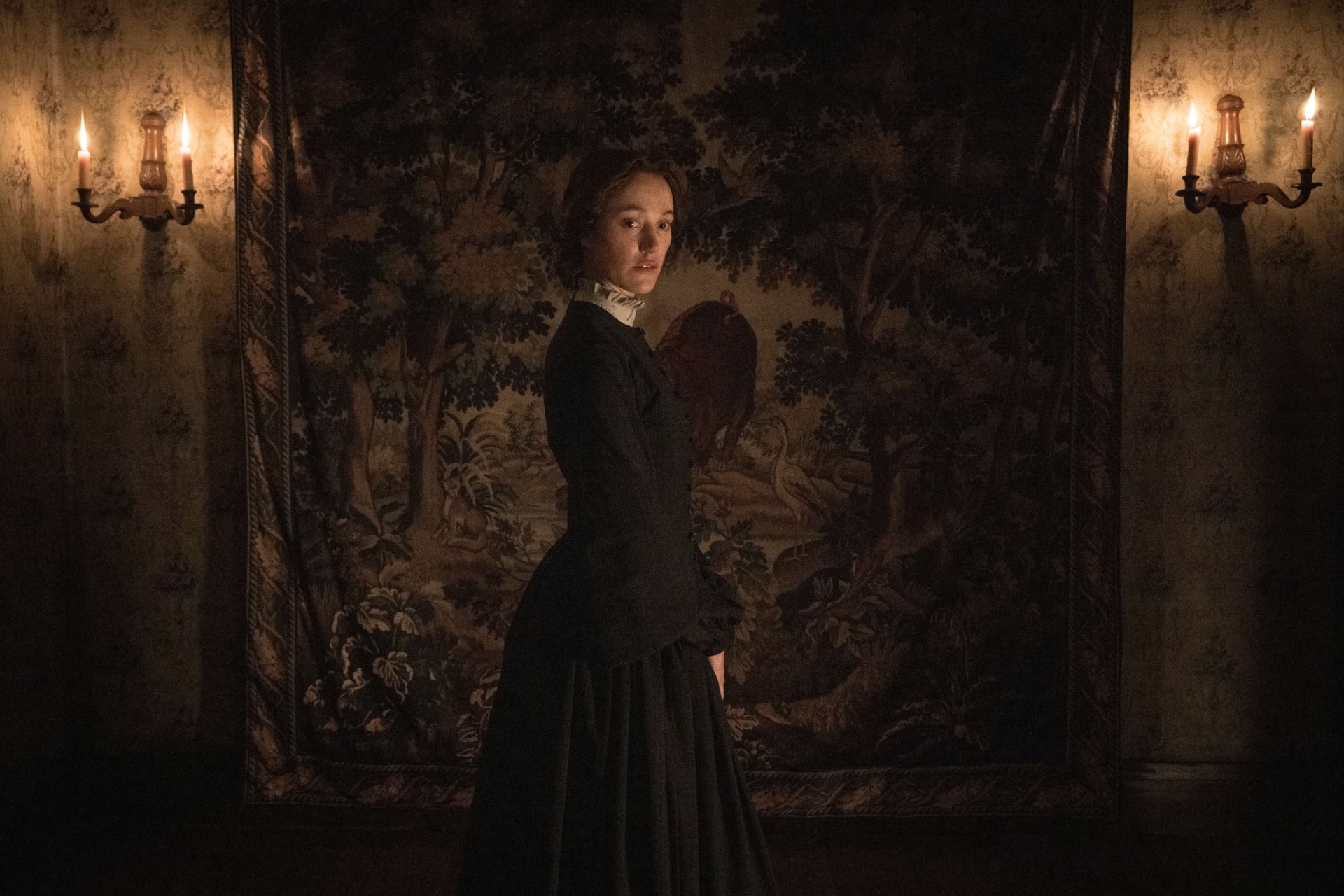
The room smelled of boiled boot polish — why sound is the film’s secret weapon
You notice the score before you know you notice it. Wigon describes sound as “pure expressionism”: chimey motifs that link Winifred to her dark impulses, and static textures that signal reality fraying. He credits Dan Kenyon (the sound editor behind the Smile films) for sculpting those layers.
That design makes the film feel intimate and invasive; sound is used not to startle only, but to make you complicit. When Winifred’s voice-over speaks, it’s not a narration so much as a confession you’re eavesdropping on.
On paper, the novel was faithful — how adaptation respected and remade Virginia Feito’s book
The author, Virginia Feito, helped shape the script and then let cinema do its work. Wigon praises her willingness to reconfigure scenes for a visual medium, and Monroe appreciates Feito’s on-set presence when dialogue needed small shifts.
What is Victorian Psycho about?
The shorthand: a governess named Winifred Notty goes to a wealthy country house and slowly reveals a corrosive interior life. The plot folds domestic satire and psychological horror together so that social norms become their own kind of threat.
Is Victorian Psycho based on a book?
Yes—Feito’s 2025 novel provided the spine. Wigon and Feito developed the screenplay together, keeping the novel’s tone while reshaping scenes for the camera.
We wore corsets every day — acting choices that made Winifred unnerving
Monroe leaned into physical constraints. Rehearsals were numerous, including weekly Zooms to trace Winifred’s arc and test physical choices. The corset is literal discomfort that feeds performance: restrained breathing, compressed posture, an anger that accumulates.
To sharpen facial detail, Wigon shared a forensic psychologist’s analysis of a Ted Bundy interview; they studied how micro-expressions can betray a speaker’s interior. Those clips became practical exercises—small tics, misaligned smiles, eye movements that contradict spoken warmth.
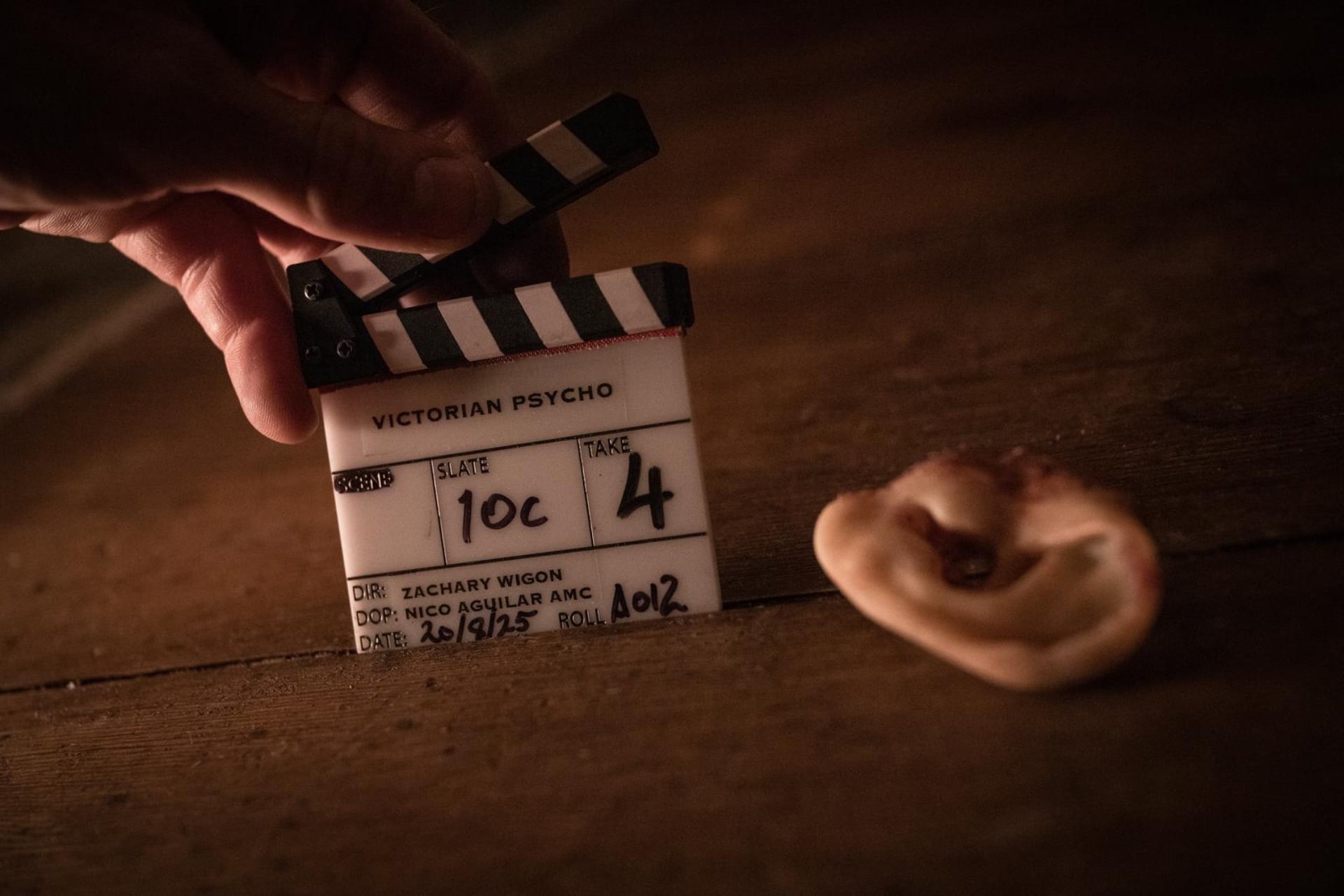
The family looked like polite trophies — how the Pounds illuminate social madness
The Pounds family—Jason Isaacs and Ruth Wilson as the parents, Evie Templeton and Jacobi Jupe as the children—are not killers. They are, however, brimming with entitlement and brittle manners. Wigon frames Winifred’s pathology against that accepted insanity: a society that polices women and dresses cruelty in etiquette.
That tension is the film’s moral bait. You’re asked to decide which behavior is worse: calculated violence or comfortable delusion.
Who stars in Victorian Psycho?
Maika Monroe leads as Winifred Notty. The supporting cast includes Jason Isaacs, Ruth Wilson, Evie Templeton, and Jacobi Jupe. Production and distribution credits include Bleecker Street; press pieces have appeared on io9 and industry listings on IMDb and Rotten Tomatoes are updating as reviews roll in.
The rehearsal room smelled of coffee and anxiety — what Monroe says about horror as a craft
Monroe has a history in the genre—The Guest, It Follows, Longlegs—and she argues horror now gives actors layered parts to work with. She described the role as therapeutic, a place to channel frustration at a time when women’s agency was severely limited. She also called the genre underappreciated for its acting challenges, a point many contemporary filmmakers are proving wrong.
Horror’s current crop of directors—A24 alumni, creators on Blumhouse lists, and independent auteurs—are all expanding what the genre can ask performers to do, and Victorian Psycho sits comfortably among those efforts.
Practical note: the film opens in theaters November 13. Tickets and showtimes will appear on major platforms and ticketing apps; look for Bleecker Street listings and local theatrical chains for availability.
I can tell you how the sound feels and why the camera is complicit, but the bracing question the film leaves on your tongue is this: when a society dresses its cruelties as civility, who is the real monster?