
I opened Christofer Sundberg’s LinkedIn post and the announcement landed like a door slamming. “Liquid Swords is closing its doors,” he wrote, and six months of studio fever condensed into one public admission. You can feel the exhaustion behind the words—pride braided with the kind of defeat that asks for explanation.
The studio’s Slack went quiet — Why Liquid Swords folded when Samson still had fans
I’ve followed Sundberg since his days at Avalanche Studios, and I’ve seen teams rally and fracture under pressure. He bluntly blamed “market conditions and some bad business decisions,” and that candidness matters: it’s one thing to call a game flawed, another to own the mistakes that led to payroll ending.
The console ports, Sundberg says, “met with much greater success than the PC release,” but even that momentum wasn’t enough to keep the company running. You’re left with the image of a project that found partial traction—an audience on consoles, a tepid reception on PC—and a business that couldn’t stitch the two into sustained revenue.
The launch day queue thinned out — How reviews and bugs shaped Samson‘s fate
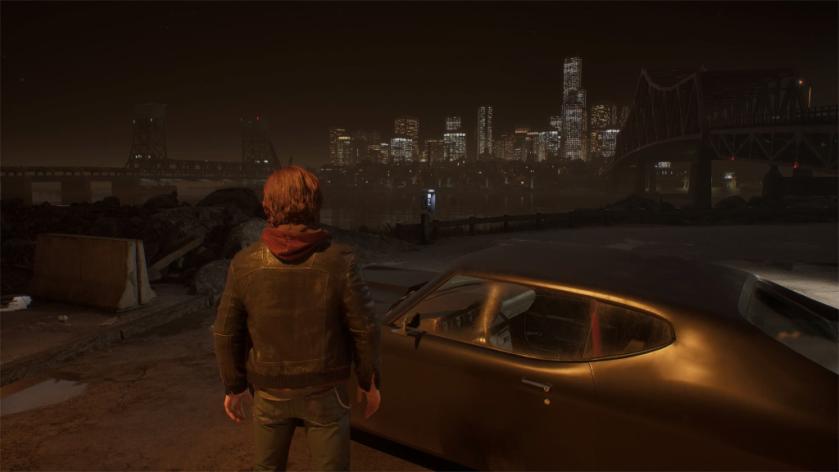
When I played Samson, I found moments that hinted at something larger, but too often the world tripled back on itself with repetition and bugs. The game holds a 51 average on Metacritic; I scored it a 6/10 for Moyens I/O. Those numbers matter to discoverability on Steam and to the headlines that feed visibility.
Steam traction peaked at 2,722 concurrent players in April. That’s not a failure in a vacuum, but it’s a small echo compared with what’s required to sustain a studio intimately tied to modern development cycles and platform gatekeepers. Your visibility on Steam, the whisper of streamers, the review aggregate—these are the levers that push a project forward or send it drifting like a ship running aground.
Why did Liquid Swords close Samson studio?
Because the business math didn’t add up. Market conditions—competing releases, discoverability hurdles on PC, and perhaps timing—met a product that needed more polish and a longer runway. Sundberg’s message is plain: the console success arrived late and wasn’t large enough to offset earlier shortfalls.
The last stand in the meeting room — What happens to the team and the game now
Employees were already out of a job by the time Sundberg posted; that’s the human cost you feel immediately. He says he’s “in discussions with all parties involved in Liquid Swords about how we can continue to support Samson the way the game deserves.” That’s a promise to players and to colleagues, but promises need partners and capital to survive.
If you care about preservation and post-launch support, your choices matter: patch requests on Steam, attention from content creators, and pressure on publishers or platform holders can tip the scales. The studio’s network—partners, platform relationships, and Sundberg’s reputation from Avalanche Studios—may yet keep parts of the game alive. This is a moment where community energy can feel like a cracked compass, giving direction when the map has been torn.
Will Samson receive post-closure support?
Sundberg’s public note implies ongoing efforts to support the title. But support depends on agreements with partners, funds to pay engineers, and the legal wrapping of studio assets. You should follow the studio’s LinkedIn statement and official storefront notices for concrete plans.
Was Samson more successful on consoles than PC?
Yes—Sundberg explicitly said the console versions “met with much greater success than the PC release.” That contrast shows how platform dynamics and port timing can change reception, even if the improved performance there still failed to rescue the company.
There’s a lesson here for founders and players alike: building a studio is an emotional marathon that touches cashflow, reviews, platform algorithms, and human patience. I’ve watched teams sprint, stumble, and rebuild; I’m telling you this because the line between success and closure is thinner than you think. Who gets to call Samson a cautionary tale and who will call it a work worth saving?