
I was on a call when the news landed: James Gunn and Peter Safran were stepping down as co-CEOs of DC Studios. You could hear the intake of breath across message threads and group chats. The creative deck just got shuffled like a hand of cards.
I write this because you follow these shifts the way some people follow box office tallies: closely, with a little dread, and a lot of curiosity. I don’t pretend to have a crystal ball, but I’ve tracked studio shakeups long enough to spot the patterns you ought to watch. You’ll want the names, the motives, and the likely moves; I’ll tell you what I’m watching next.
On the lot: a Superman poster still peels at the corner — what Gunn and Safran actually built
I saw Superman reintroduced to mass audiences and felt a rare reset that worked. Gunn and Safran chose self-contained stories over an MCU-style tapestry. That decision produced hits and misses: Superman scored, Clayface turned a tidy profit on a small budget, and shows like Peacemaker and Creature Commandos found passionate niches.
Skydance CEO David Ellison framed the change as gratitude: “James and Peter began a new era for DC Studios, guiding it through a major transformation and bringing audiences fresh chapters of beloved stories.” Gunn and Safran will leave their co-CEO roles on Dec. 1 but stay attached to the upcoming Man of Tomorrow sequel. That’s a short runway to prove a long-term approach, and I think they deserved more runway than they were granted.

Why did James Gunn and Peter Safran leave DC Studios?
Short answer: the new owners at Skydance, after merging with Paramount, signaled a different priority. You don’t need me to tell you private equity and big media marriage means one loud note: revenue. Ellison praised Gunn and Safran’s creative work, but Skydance hired Jeremy Latcham — a Marvel veteran — to steer the next era. That choice reads like a tilt toward scale and franchising.
Gunn and Safran’s method — focused chapters rather than a sprawling, interconnected machine — produced audience goodwill but not the immediate, predictable tentpole model that corporate buyers often demand. They’ll finish work on Man of Tomorrow, but beyond that the map is blank.
In a conference room years ago: how Marvel taught Latcham the tentpole playbook
I remember watching Marvel’s early years from the sidelines; the lessons were loud. Jeremy Latcham joined Marvel Studios in 2004 and worked on foundational titles: Iron Man, The Avengers, Guardians of the Galaxy, and Spider-Man: Homecoming. He’s one of the people who learned to scale superhero IP into global events.
Skydance’s statement emphasizes his résumé and that he’ll “lead DC’s film, television and animation slate, overseeing the creative pipeline, along with production, talent and strategy.” You should expect him to bring systems and proven tentpole mechanics into play — the sort of setup Kevin Feige used to turn Marvel into a franchise engine. The studio now moves pieces across a chessboard.
Who is Jeremy Latcham?
He’s a veteran producer who rose inside Marvel’s machine, part of the crew that formalized how superhero films are planned and executed. Latcham worked on production for early Marvel pillars and knows how to coordinate directors, VFX, marketing, and talent at scale. That background makes him familiar to investors and partners who prize predictability.
He’s also stepping into a brand with a different DNA than Marvel. DC’s tonal swings, darker corners, and single-title auteur projects require a hybrid approach — operational muscle plus respect for risky creative bets. Whether he balances those or tilts fully toward franchise math will define the next five years.
In fan channels and feeds: why audiences feel whiplash with every reset
You open Threads, X, or The Hollywood Reporter and the timeline reads like a running argument: hope, nostalgia, impatience. Fans who loved Gunn’s Superman and the smaller wins are frustrated. Others are tired of half-finished universes. I get both sides — creatives want time to make art; partners want returns that pay for the next experiment.
Will DC get another reset?
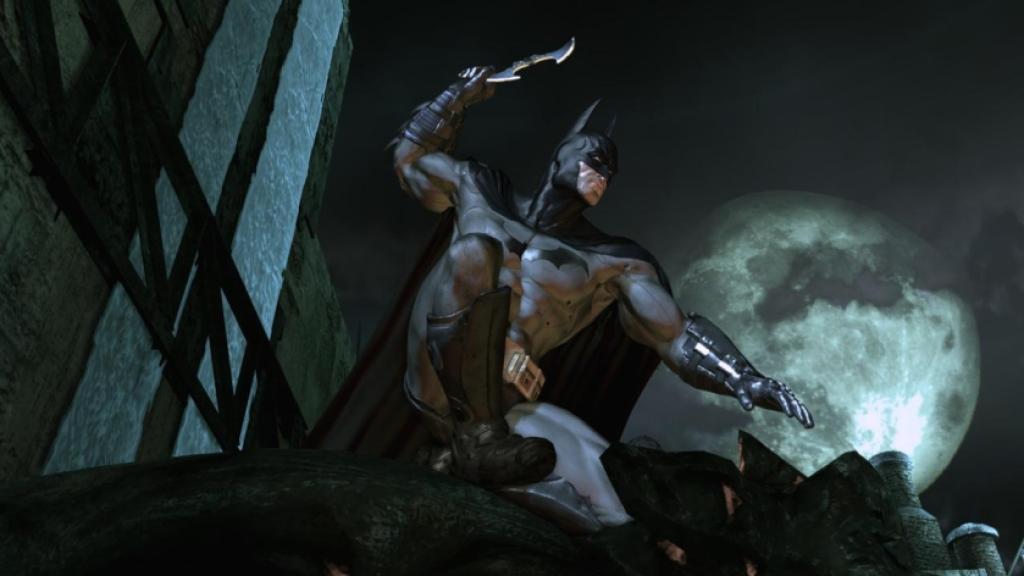
Short answer: probably, in some form. The studio still has high-profile releases coming — The Batman: Part II among them — and how those perform will steer Latcham’s playbook. If box office and streaming metrics favor tightly linked franchises, expect more connective tissue. If niche titles continue to profit at scale, the pendulum may swing back toward variety.
My read: Skydance and Paramount pushed for a leader who knows franchising mechanics. You should watch release windows, marketing cadence, and the balance between standalone series and multi-film arcs. Trade outlets like The Hollywood Reporter and platforms where Ellison and Gunn post — X and Threads — will be your early flags.
On set and in balance sheets: what I’ll be watching next
I’ll watch three signals closely: box-office performance of the immediate slate, internal hiring that signals a franchise-first mindset, and how Latcham treats auteur-driven projects. If the company adds franchise architects from Marvel, expect more cross-title plotting. If it keeps directors and showrunners with clear creative control, the Gunn model survives in pockets.
You should keep an eye on partnerships too: international deals, streaming windows, and licensing — the commercial levers that shape creative freedom. The players involved—Skydance, Paramount, and the distribution partners—are the levers that move budgets and decisions.
Gunn and Safran left a short list of wins and unfinished work: Superman, Lanterns, Clayface, Creature Commandos, and a TV slate that began to take shape. Latcham brings a production-first sensibility learned in the Marvel engine under Kevin Feige, and Skydance is clearly signaling it wants scale. You and I will watch how that tradeoff between creative experiments and franchise predictability plays out — which projects survive, which are retooled, and which become the studio’s benchmarks.
So tell me: do you bet on Latcham turning DC into a steady franchise machine, or do you think the next reset will be the one that finally sticks?