
Passengers were still buckling seatbelts when a single shouted word turned the jetway into cold chaos. On a Frontier Airlines flight out of Ontario International Airport, someone heard “bomb” and called the crew. The person saying it? A Call of Duty player on FaceTime, mid-callout, suddenly explaining gameplay instead of finishing a match.
I hear you — I love a good, loud play-by-play as much as the next shooter fan. But I also know airports are pressure cookers: nerves fray fast and words land heavier than you intend. Let me walk you through what happened, why the reaction made sense, and what players should probably stop doing on planes.
A murmured “bomb” emptied a cabin.
CBS News reported that another passenger heard the word and alerted flight staff. Crew members then halted takeoff, and passengers were asked to leave the plane while authorities inspected the aircraft. The gamer, who’d been on FaceTime and calling out targets, was detained briefly while police confirmed there was no explosive device on board.
Why was the plane evacuated?
Because the phrase hit a threat threshold for another passenger. In a locked, crowded space, a single word that evokes danger triggers protocols: crew reports, passenger checks, and a sweep by law enforcement. Frontier Airlines followed procedure at Ontario International Airport while police looked for anything suspicious and found nothing.
A bored headphone user can start a panic in under a minute.
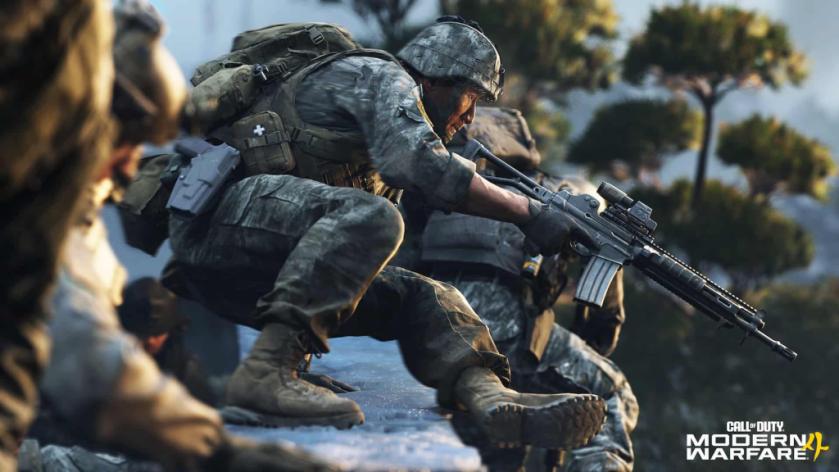
You were probably on a couch shouting into a headset when you learned to call out “bomb” or “explosion” as part of a strategy. On a plane, that same vocabulary reads as a potential threat. The CoD player tried to explain that the words described in-game events while on FaceTime — not a real-world danger — but explanations only come after alarms go off.
Can saying “bomb” on a plane be a crime?
It can be. Many jurisdictions treat false threats to public safety seriously. Saying the word in a confined public area can trigger detainment and investigation; law enforcement might press charges depending on the intent and local statutes. In this case, police swept the aircraft and found no device, and the story ended without reported charges — but the legal risk was real.
Think of an airplane cabin like a glass box: sounds amplify, intent blurs, and reactions can cascade like a lit fuse in a quiet room. If you play shooters on the go — and with Modern Warfare 4 now portable on the Nintendo Switch 2 thanks to Activision’s push for mobility — keep your mic manners sharp. FaceTime plus a live match is fun; public spaces demand a different filter.
CBS News was the first to run the passenger complaint details, and local police confirmed there was no explosive device on board. The unknowns remain: which Call of Duty title the player was on, whether the match ended in victory, and how the detained player felt while trying to translate game jargon into real-world explanations.
You’re responsible for the words you use in public; a snatched phrase can clear a cabin faster than you can alt-tab — like dropping a match into dry kindling. So when the next crowd is near, will you keep your voice for the headset or risk making the whole plane your audience?