
I landed in a Hotdrop last night and watched three squads fold into a single chaotic ballet; my team laughed, I cursed, and for a minute I forgot why anyone ever said the game was dead. You’ve felt that too—the sudden, small rush when a match swings your way. I still stream, I still read the threads, and I can tell you what changed.
The battle royale space looks tired on paper: endless crossovers, cash-first patches, and a parade of copycats. Yet Season 29 pushed Apex Legends back up the charts on Steam and into Twitch rotation again. Player numbers aren’t gospel, but the pattern is obvious—people are returning and staying, and that tells you something about the fixes under the hood.
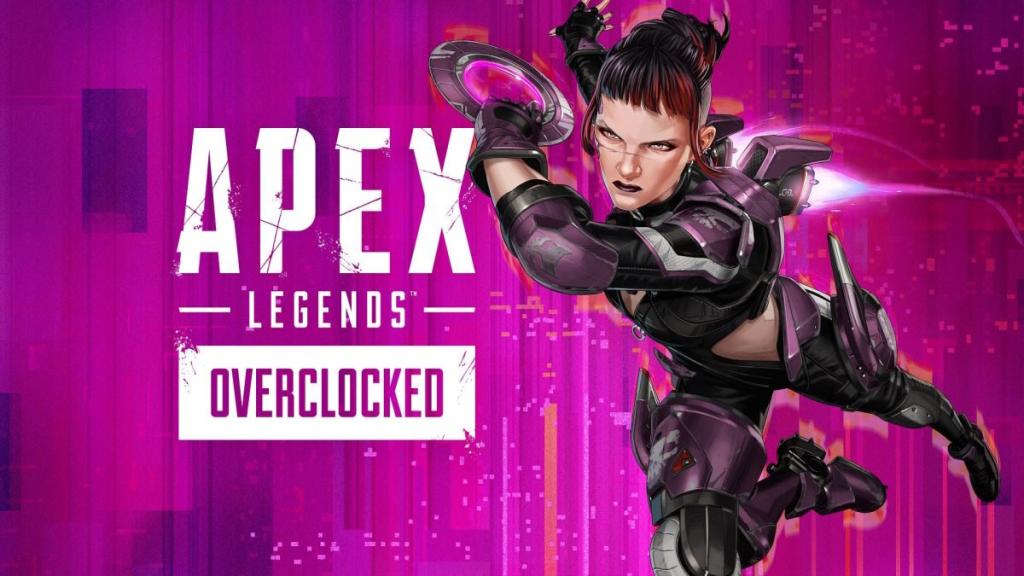
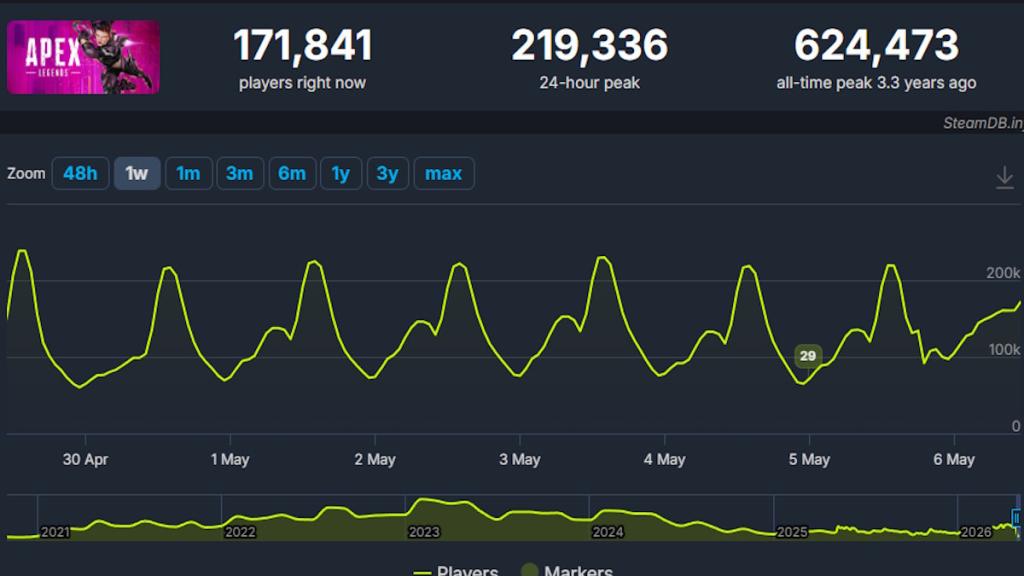
At every local LAN and subreddit thread I saw, people asked if Apex was fading — Apex Legends Was Its Own Apex Predator for Years
I watched competitors arrive with bold headlines and then vanish from Steam charts within months. Rumbleverse, Hyper Scape—examples of flashy ideas that never built lasting traction. They offered novelty, not an addictive loop.
You know the sensation: a game that copies the surface but misses the tension and the lore cohesion that made Apex feel special. Opponents tried to outshine Apex with gimmicks and IP tie-ins, yet most couldn’t reproduce the core compulsion—the daily, tiny bets players place when they queue.
I remember scrolling through SteamDB and laughing at the cynics — Respawn Finally Realized Players Were Tired Of Sweating Every Night
After two years of streaming and grinding, I burned out on ranked anxiety. You probably did too. Apex had become a treadmill where every match felt like a try-hard audition.
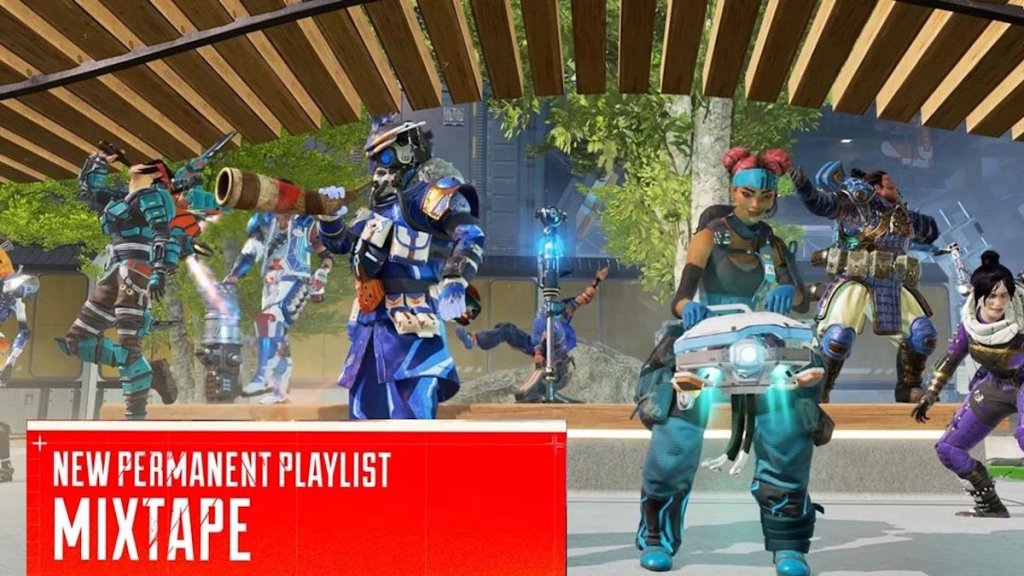
Late 2024 and beyond, Respawn stopped asking players to endure relentless competitiveness and started offering options. Mixtape and modes such as Team Deathmatch, Control, and Gun Run returned the casual fun to a title that had been overstaffed with pressure. It made the game approachable for the evenings you want to relax and the hours you want to practice.
That shift felt intentional, and you could trace it to leadership. Vince Zampella’s fingerprints are visible—Apex stopped drifting and began to focus. The game was allowed to be a firearm symphony again, not a one-note contest.
Why is Apex Legends popular again?
Because the game repaired the parts that made players leave. Fixes to matchmaking friction, the reintroduction of varied game modes, and tighter seasonal goals gave people reasons to return beyond cosmetics and crossover events.
I kept a spreadsheet of meta shifts and weapon pick rates — Perfecting the Art of Balancing Weapons and Legends
For years, one weapon or a single legend dictated the flow of matches. That binary meta made every drop predictable and, frankly, boring.
Over 2025–26 the team iterated aggressively. EVO shield tuning now rewards rotation and engagement instead of forcing players into repetitive loops. Weapons such as the RE-45, Prowler, and several energy guns have been nudged back into relevance. I cheered when my favorite Hemlok returned to form.
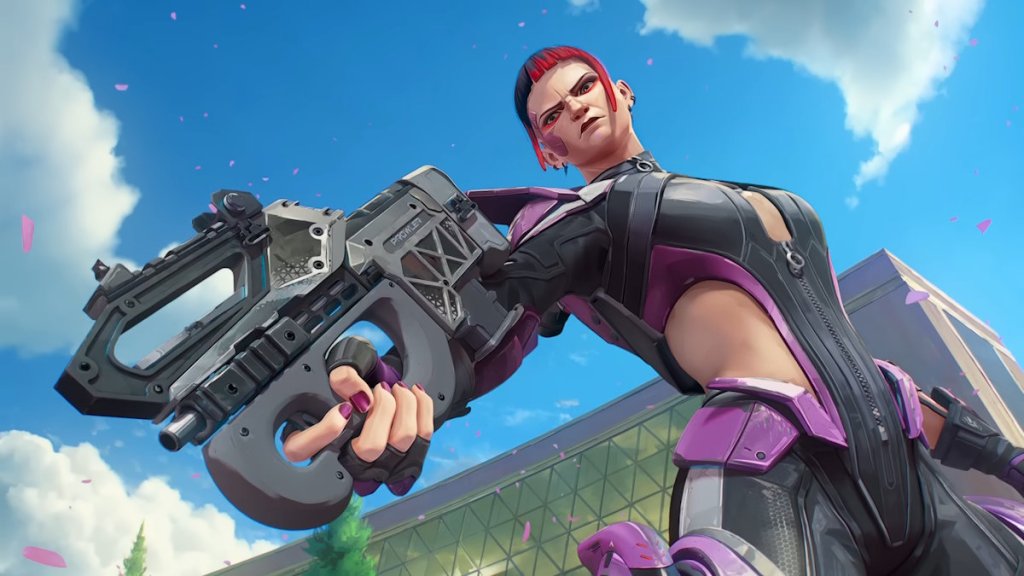
Legend balance improved in tandem. Lifeline, Gibraltar, Wraith, Valkyrie—they regained defined roles in team comps. Defensive kits now open playmaking instead of encouraging passive holding. And yes, breachable windows and added entry points create more fights, not fewer.
The meta now feels like a well-tuned engine.
Will new modes save casual players?
They already are. Casual playlists give players a place to breathe and learn without worried timers and ELO pressure. That feeds the ranked pool with more confident, varied players and reduces the churn that used to cripple seasonal spikes.
I sat in a pro lobby where rules were enforced and tools were removed — Apex Legends Is Finally Fighting Back Against Cheaters
Cheating was a slow poison: XIM/Titan users, HWID spoofers, DMA rings—these undermined fair play. The community lost trust.
Respawn’s crackdown—visible in massive ban waves reported across social channels—hit thousands of accounts. The HyperMyst tweet that listed 70,242 PC bans and 3,349 console bans made a mark. That cleansing matters. When you join a match and the odds feel human, you stay.
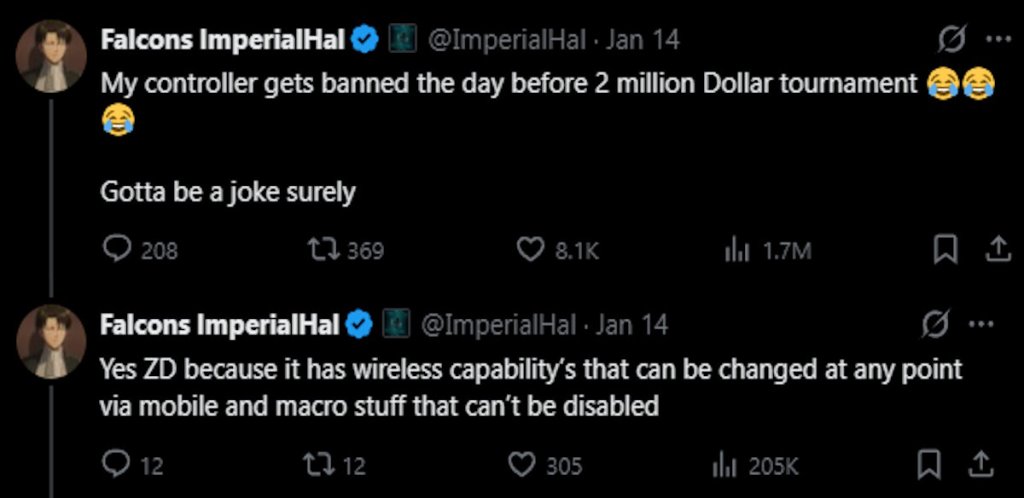
Even pros were held to standards. At ALGS 2026, a $2,000,000 (€1,860,000) prize event, ImperialHal was refused a custom controller after rule checks found macros. That moment sent a message: competitive integrity matters to organizers as much as it does to casual players.
How did Respawn crack down on cheaters?
They combined hardware-level detection with account-level enforcement and public transparency. Tools like HWID checks, pattern detection, and coordinated bans across platforms made exploits less profitable and more risky for abusers.
That enforcement, plus clearer tournament rulings and better anti-tamper tactics, rebuilt confidence. If a game says it values fair play and then proves it, people invest their time again.
Apex didn’t beat its rivals by surprise marketing or celebrity drops. It refocused its design, diversified how you can play, fixed the grind, balanced options, and police-cheated the player pool. The result is a game that feels alive and varied—sometimes messy, often brilliant, and more human.
I’ll still stream my flukes and my clutch plays. You should drop in, trash-talk in chat, or queue with a duo. Which change convinced you to come back — the casual modes, the balance, or the ban waves?