
I walked into the London nightclub and froze when a familiar voice slid past the speakers. For a moment I thought the map had turned into a fan convention—then I realized IO Interactive had stitched those cameos into the seams of the missions. You will notice details that quietly change what you thought the game was.
What Hitman easter eggs are in 007 First Light?
How do I find the Legacy collectibles in 007 First Light?
Are there real-world cameos and brand tie-ins in 007 First Light?
At the chess tournament I found a bottle labeled Chateau de 47 tucked beside the commentary box.
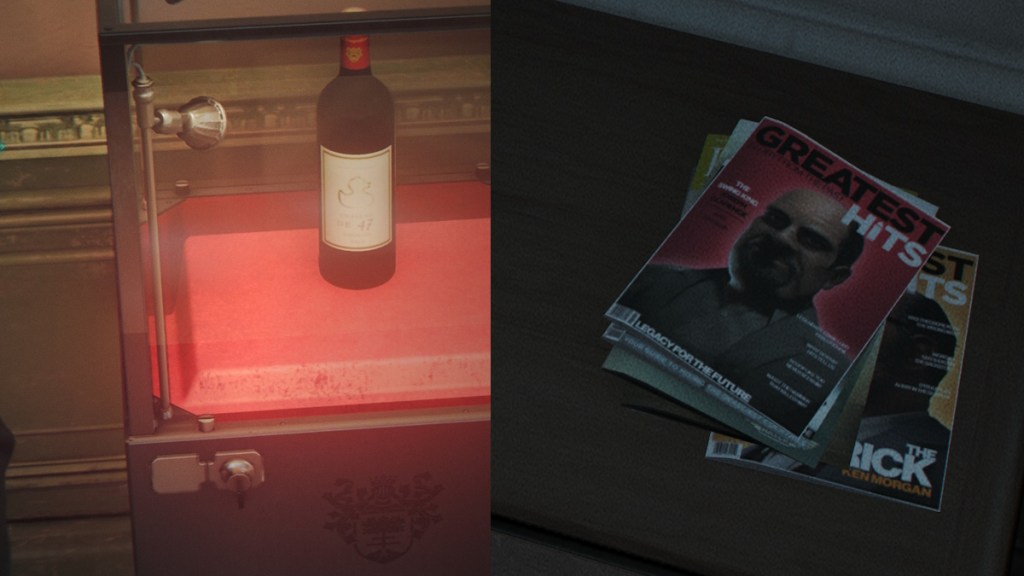
IO tucked Hitman World of Assassination references into plain sight: Chateau de 47 wine, rubber ducks, Joseph Clarence magazines, and NPCs casually joking about wardrobes and disappearing bodies. Bond even comments on how targets “swap disguises so fast,” a nod to Agent 47’s tradecraft. These touches read like a wink from one studio to another—subtle, but satisfying if you play the game with a detective’s patience.
While scanning the nightclub crowd I recognized an unmistakable Irish cadence behind the bar.
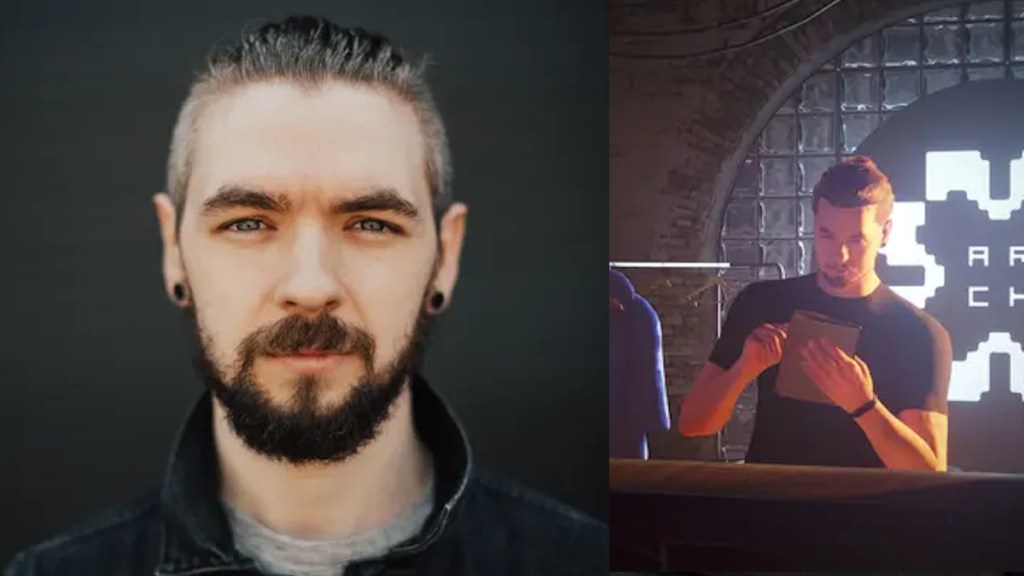
Seán McLoughlin—better known as Jacksepticeye—voices and models a staffer in the London nightclub mission. It’s a tiny cameo, but once you know the voice you’ll hear it everywhere. The presence of creators like Jack highlights how modern games borrow star power from YouTube and Twitch to add texture.
During the ending I watched the white dot crawl and then the barrel closed around Bond.
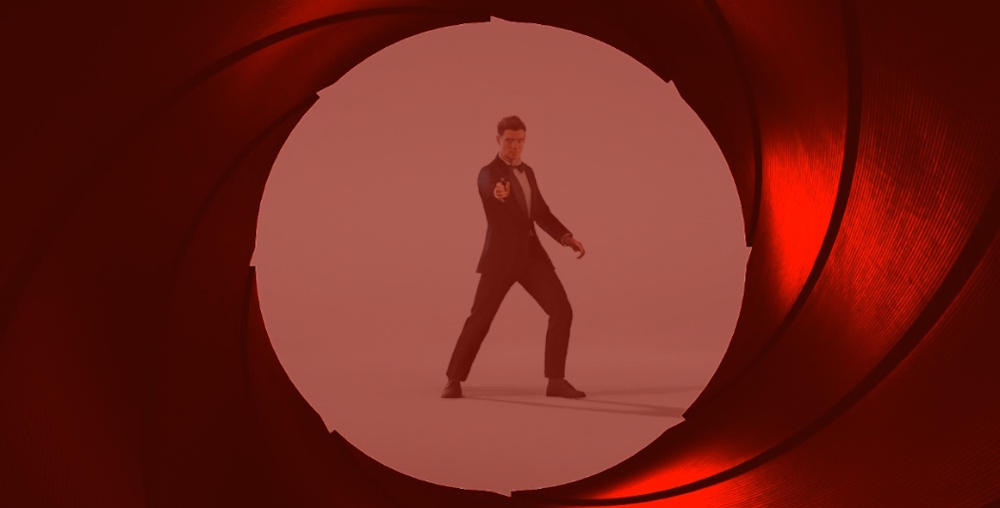
The game teases the gun-barrel motif early, but keeps the full sequence for that exact moment when Bond earns his 00 badge. The payoff lands like a curtain being pulled back on a new act, making the finale feel earned rather than staged.
After a chaotic brawl I heard a line that sounded like a Twitch chat cheering in person.
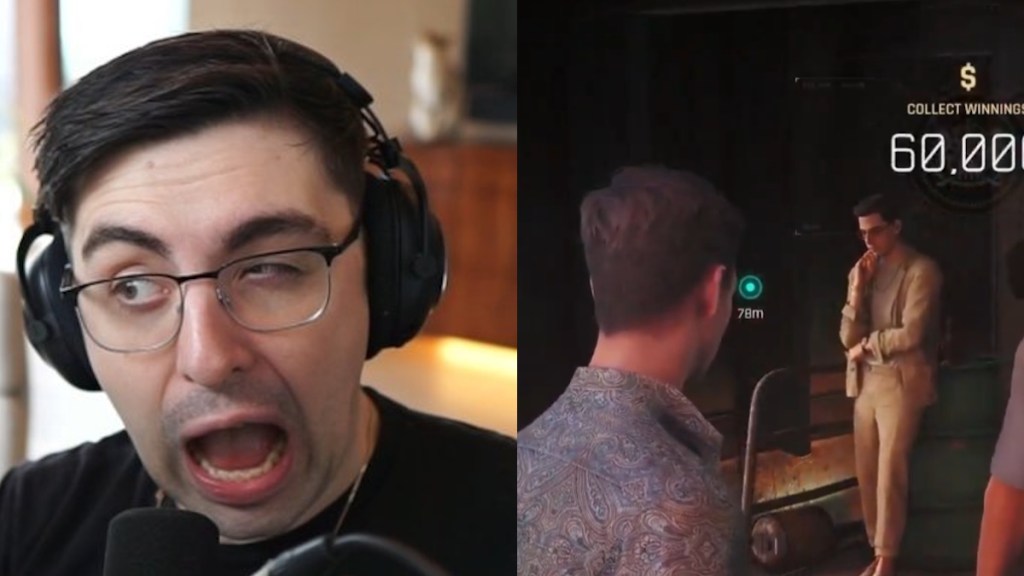
Shroud lends his voice to an NPC who reacts to Bond’s fighting with over-the-top excitement. The line feels ripped from a livestream chat—an intentional cross-pollination of esports culture and scripted storytelling.
On the truck chase I heard strings that immediately felt familiar to long-time fans.
The On Her Majesty’s Secret Service theme surfaces during the major truck chase in “Time To Die.” That musical callback turns an action sequence into an Easter egg hunt for audiophiles and Bond purists.
In M’s office someone called out to “Ponsonby” and I smiled—she’s Fleming material.
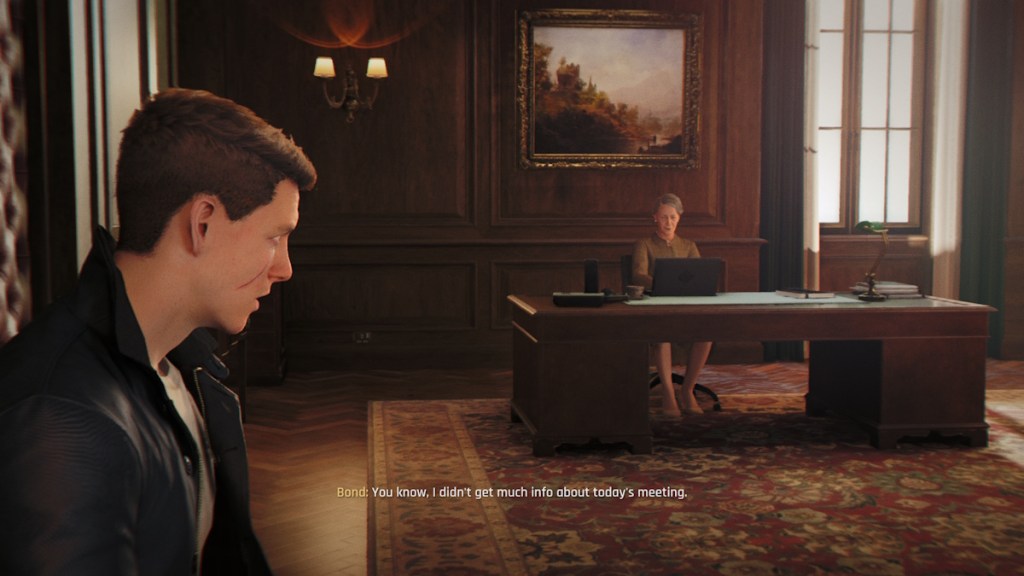
Loelia Ponsonby appears as M’s strict assistant, a clear lift from Ian Fleming’s novels. IO reimagines her with modern brusqueness—she won’t let Bond get away with sloppy intel.
Near Tranquility Cave I saw a silent figure pointing the way in that trademark fashion.
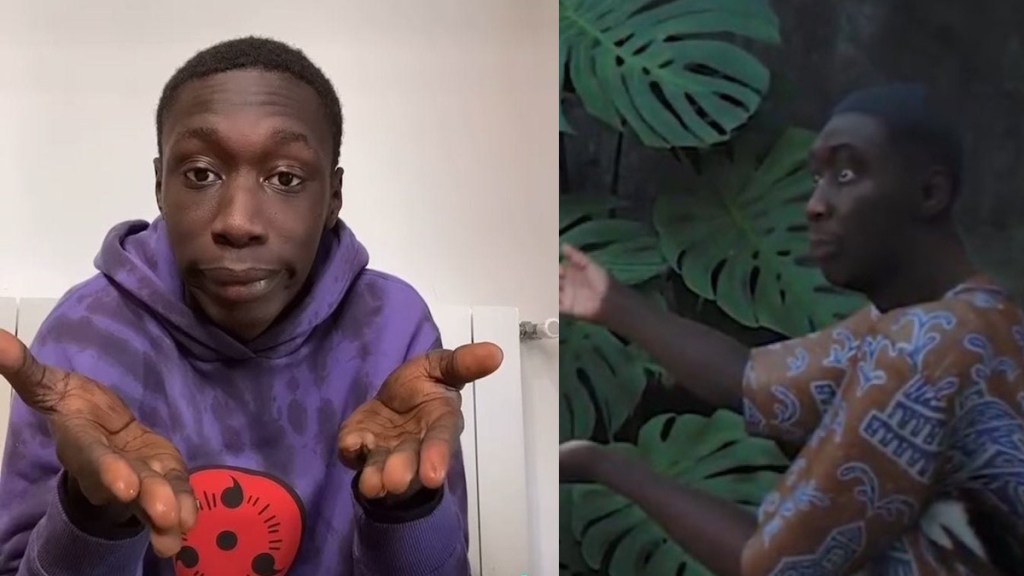
Khaby Lame makes a silent cameo in the Vietnam mission, pointing Bond toward the correct path. It’s a surreal moment—an internet meme dropped into a Cold War-era field op.
While inspecting Bond’s model I noticed a faint line along his cheek.
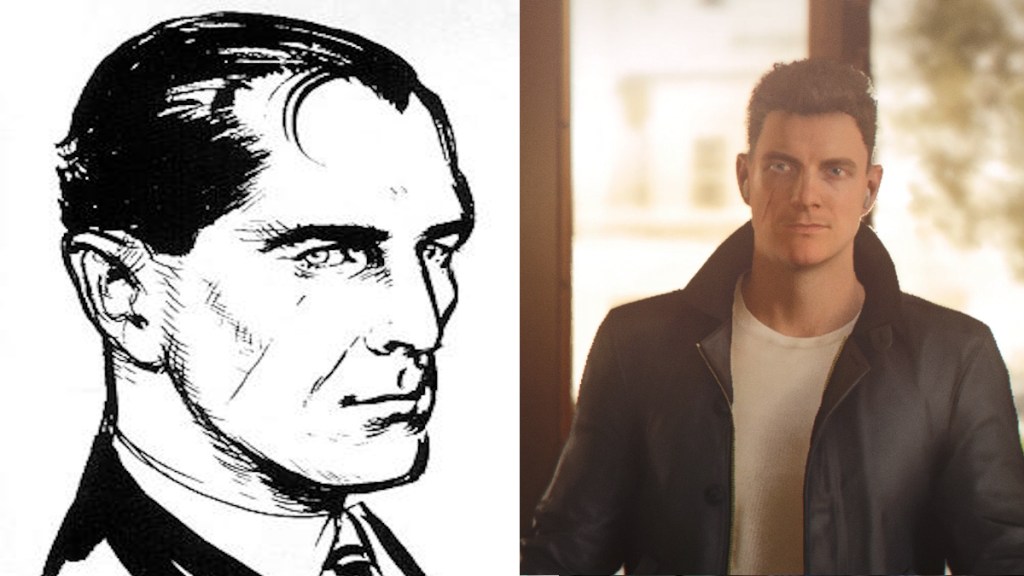
That facial scar comes straight from Fleming’s text—a small literary choice that separates this Bond from most film portrayals. It’s a quiet fidelity to the source that rewards readers of the novels.
Searching Ramon Hernandez’s villa I began to spot props that belonged to older Bond movies.
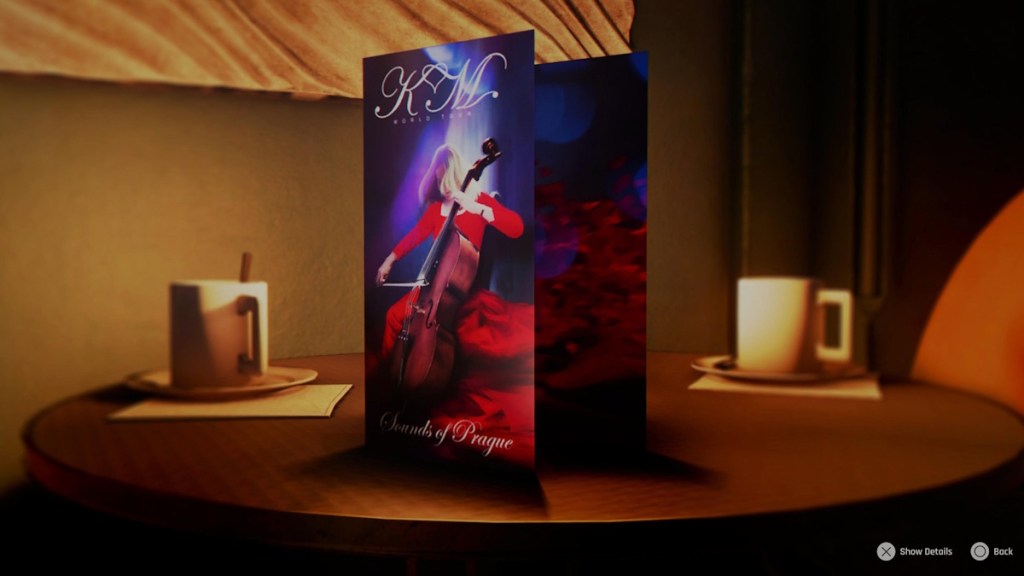
Legacy collectibles are sprinkled across missions: Rosa Klebb’s dagger shoes, a GoldenEye-shaped key in Iceland, the Blades Club badge, and concert posters tied to The Living Daylights. If you collect them all the game rewards you with context—an archive of Bond history folded into modern levels.
GoldenEye’s Hidden Key
That golden, eye-shaped key appears in the Iceland prologue and references the satellite weapon in GoldenEye. It’s one of the earliest callbacks you can snag.
Rosa Klebb’s Dagger Shoes
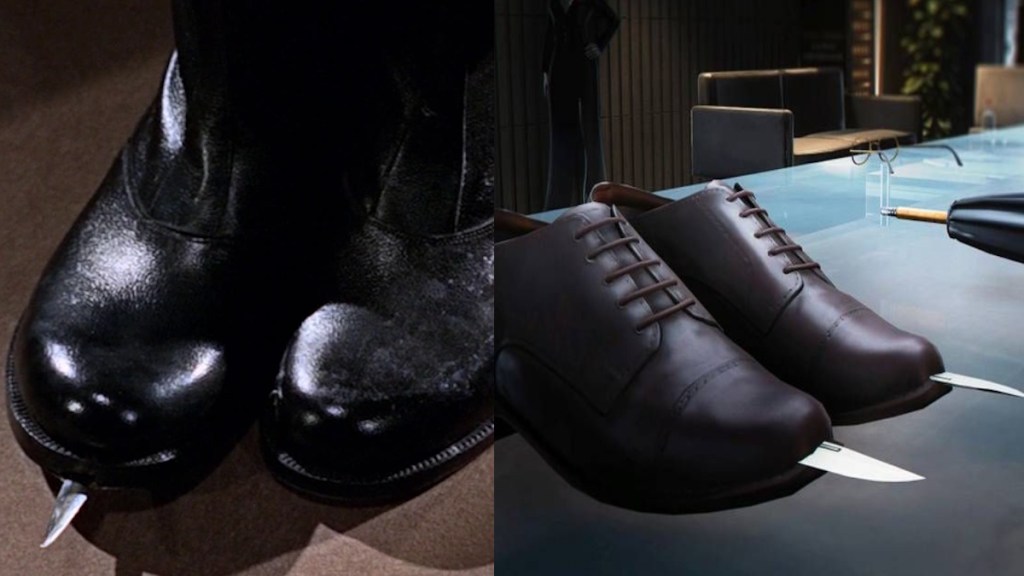
IO recreated Klebb’s shoe weapon with eerie accuracy. It’s a collectible that doubles as a museum piece for franchise gadgetry.
Sean Connery’s Trilby Hat
Find it in Q-Branch’s wearable section—an affectionate nod to Connery-era styling that players can slot into the inventory.
Solitaire’s Tarot Cards
Located in Ramon’s villa at The Pearl, the tarot deck includes “The Lovers,” a subtle tie to Live and Let Die and the characters who shaped Bond’s past.
The Living Daylights Concert Poster
A poster in the Kensington Gala Café points to Kara Milovy and the movie’s Eastern European backdrop—Easter eggs that reward careful exploration.
In a black market crate I found glittering prosthetic digits.
IO went literal with a crate of prosthetic gold fingers, a direct jab at Auric Goldfinger. The image is playful but dark—a reminder that Bond’s universe mixes glamour with ugly commerce.
While hunting collectibles I came across a worn deck Bond used as a child.
The 007 First Light collectible card sets include Swiss-German designs that match cards Bond played with his mother in Fleming’s novels. It’s a small, literary flourish that speaks to the character’s backstory.
On the streets I noticed enemy convoys driving Jaguar badged cars, not Aston Martins.
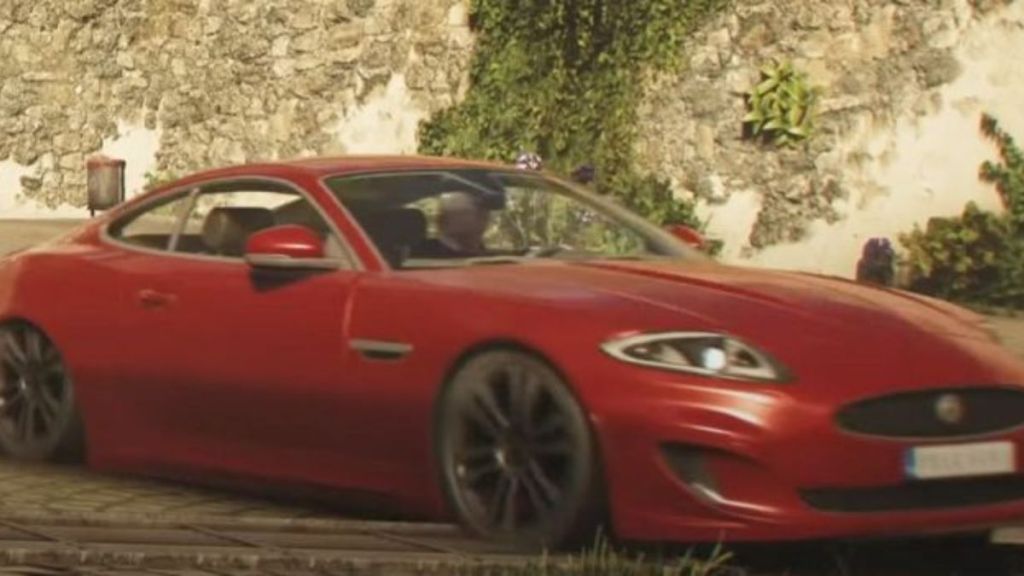
Jaguars appear as villain transport across the story—an established cinematic shorthand that IO preserves. The cars carry a different kind of menace than Bond’s usual Aston Martins.
During the Slovakia mission I clocked a yellow DBS and a Valhalla parked in the compound.


The yellow DBS echoes On Her Majesty’s Secret Service; the Valhalla is pulled straight from No Time to Die. Both are loaded with Bond-style weaponry, and both feel like Easter eggs for car enthusiasts.
While rifling through classified files I kept hitting the same cover names.
Universal Exports and the Transworld Consortium appear in documents and MI6 cover identities—direct lifts from Fleming’s MI6 playbook. These items give the game bureaucratic texture that fans of the novels will appreciate.
Inside Q-Branch I read whiteboards scrawled with improbable ideas.
Technicians reference gadgets like the Thunderball jetpack, Octopussy’s submersible, and the bagpipe flamethrower from The World Is Not Enough. Q-Branch becomes a small museum of discarded Bond contraptions.
During a capture scene a laser creeped toward Bond’s torso.
The game stages a direct recreation of Goldfinger’s laser trap. It’s a tense, cinematic moment—one that surfacing from it feels like cheating death in a movie.
In one bluff Bond introduced himself with a familiar spy surname.
Bond uses “Kittridge,” a nod to Eugene Kittridge from Mission: Impossible. It’s a playful cross-franchise wink that reads like fan service for spy-genre obsessives.
On a Q-Branch whiteboard someone scribbled an archeological joke in the margins.
The offhand Indiana Jones mention is brief, and it lands as a cheeky wink rather than an actual crossover. Such references pepper the game like seasoning—small but effective.
In Bond’s flat a hangman puzzle contained a darker line of text.
The phrase “poison-tip umbrella” pops up as a clue, referencing Georgi Markov’s real-world assassination. That historical nod pulls the game’s fiction into the Cold War’s uglier corners.
On the London club stage I heard a live set by a real duo.
Chase & Status appear as themselves DJing the Mission nightclub—an in-world cameo that feels natural, unlike some of the stranger celebrity inserts. The music helps sell the scene rather than distract from it.
In Webb’s Antarctic facility a battered piano awaited a player.
Bond can sit and play “The End of the World” by Skeeter Davis. That melancholic choice mirrors the mission’s stakes and adds emotional weight to an otherwise mechanical level.
When I checked under Bond’s bed I found stacked shoe boxes stamped with a different IO logo.
Kane & Lynch shoe boxes are tucked in Bond’s apartment—a meta nod from IO Interactive to its own catalog. It’s the developer saying: we remember where we came from.
I could keep listing smaller details—a Trilby in Q-Branch, prosthetic gold fingers in a crate, Q mentioning the Octopussy submersible—but the real reward is the way these threads connect. Some are playful, some are literary, and some slide into historical darkness, forming a game that rewards patience like a hidden gear in a Swiss watch. If you scour the levels, will you spot more cameos than we did?