
I booted the prologue, and for a moment the only sound was my PC fan and a creak from the old chair. A narrow Amsterdam alley appeared, lanterns throwing long shadows, and I realized I was not replaying Assassin’s Creed — I was standing next to something trying to be its heir. The question hit me hard: could the people who made Ezio’s story recapture that strange, magnetic bond between past and present?
I’ve followed the Ezio-Desmond thread for years, so I speak from a place of expectation, not fandom alone. You’ll feel that same pull if you loved Assassin’s Creed II, Brotherhood, or Revelations. I also want to be honest: the 1666 Amsterdam Prologue left me more curious than convinced, and that’s a rare, useful feeling for a demo.
The Familiar Feeling Started Almost Immediately
My monitor still had the faint glow of the menu when the timelines began folding into one another.
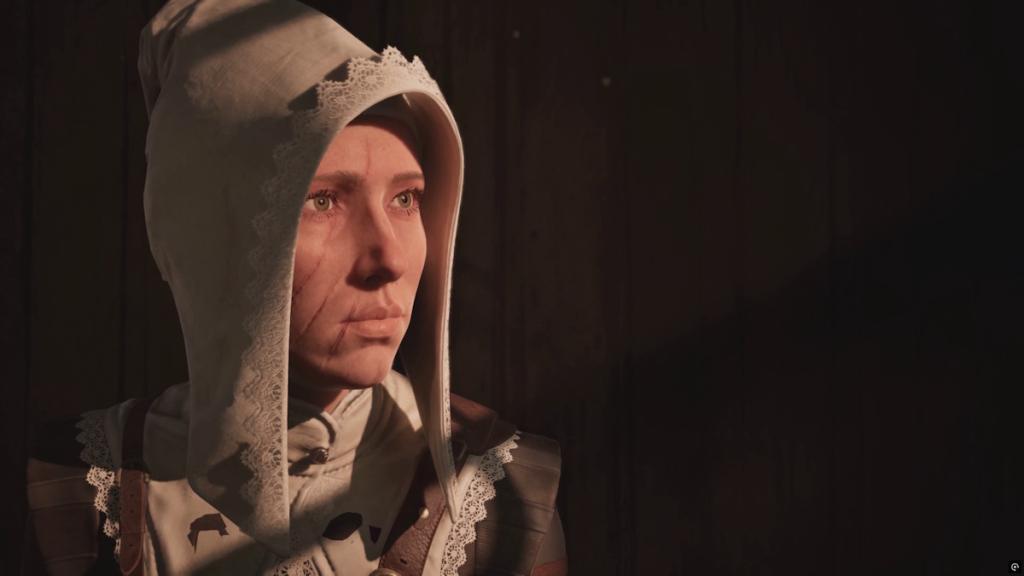
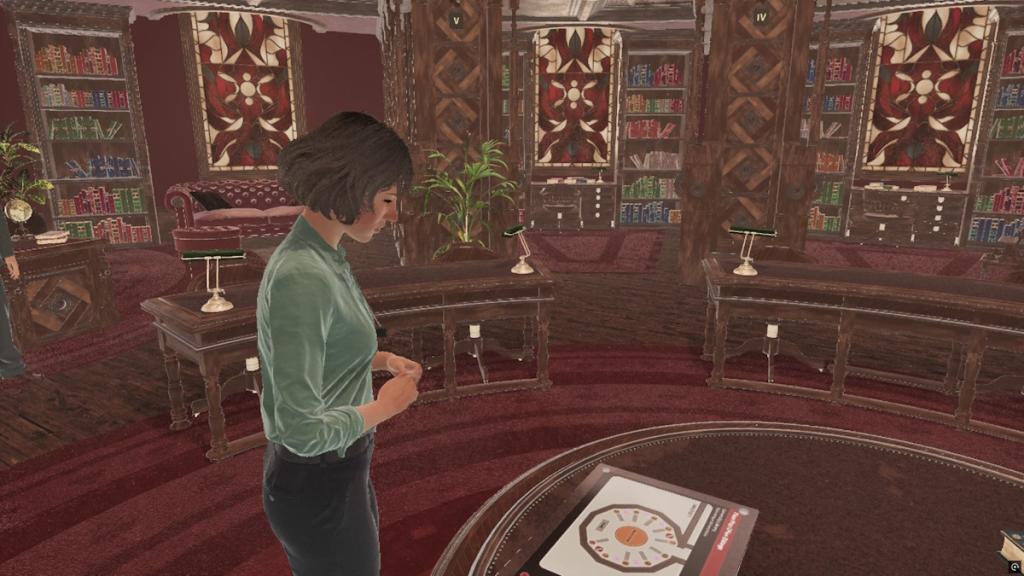
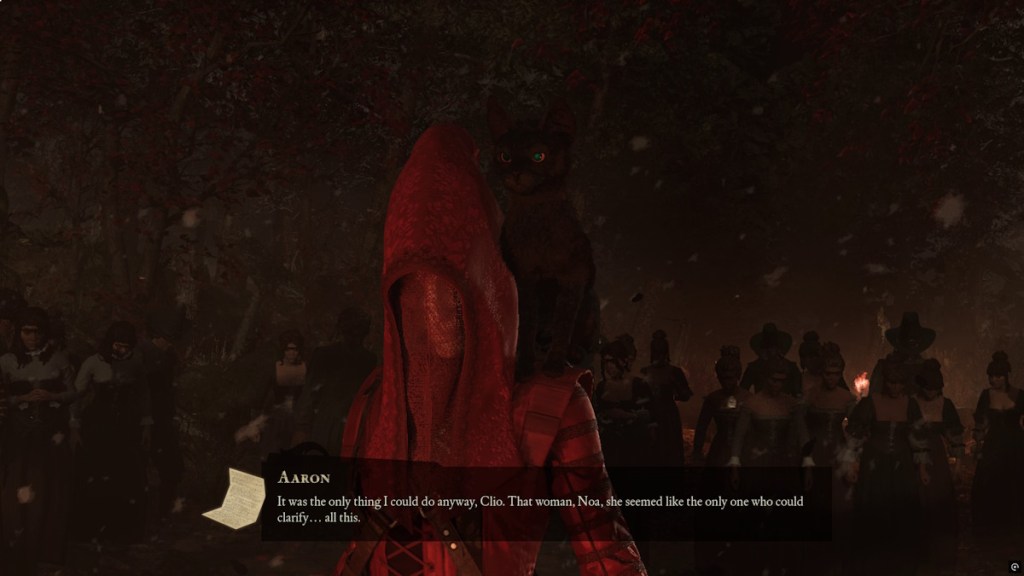
The demo opens the way Assassin’s Creed once did: multiple eras, characters who echo each other, and slow reveals that reward patience. Meet Noa in the 1600s, Clio in the present, and Aaron stuck in 1999 — their scenes are stitched together by implication, not exposition. That structure triggered an old, welcome reflex in me: search for patterns, and the game will hand you a mystery to untangle.
There’s comfort in that familiarity. If you remember Desmond slipping into Ezio’s life like a key into a lock, you’ll recognize the rhythm. But the demo doesn’t quite reproduce the thermodynamic spark of the Ezio-Desmond link; it hints at it and then pulls away, which is both maddening and intriguing.
Walking Through History Again, Finding the Apple of Amsterdam
The first time I stepped into the demo I paused — the air on-screen felt colder than many modern game cities.
Even in a brief slice, the team’s respect for historical detail shows: architecture, clothing, and the narrow canals give Amsterdam a distinct character. The setting resists the generic medieval fantasy look that plagues so many titles. Where some studios slap a witch or a neon sign onto an otherwise forgettable backdrop, this prologue lets place breathe around its mysteries.
The supernatural sits on top of the world rather than swallowing it whole. That balance is important: world-building that feels lived-in can sell even the weirdest ideas. If the full game follows this thread and the team at Ubisoft or other studios handling legacy IPs keeps the same discipline, the payoff could be substantial.
Is 1666 Amsterdam similar to Assassin’s Creed?
It borrows the multi-era framing and historical-faithful design that defined early Assassin’s Creed, and the creators’ pedigree makes that comparison unavoidable. But 1666 tilts darker and leans heavier into strange rituals and personal dread than the Ezio games’ conspiracy-driven pulse. It feels like a cousin rather than a sequel.
Sometimes Less Is More, Especially As a Cat
The first time I controlled the cat, my fingers went quiet — I was actively thinking about movement.
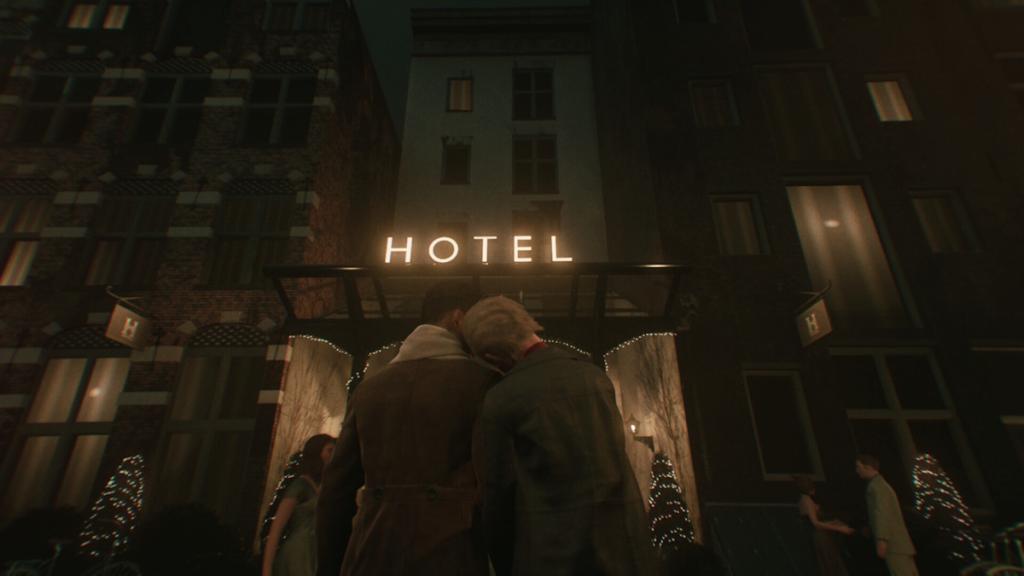
Clio and Noa get time, but Aaron’s feline sections became the clearest example of design restraint. Traversal splits into runs, careful steps, and a version of parkour meant for a small, lithe creature: call it cat-kour. The city becomes a vertical playground; jumps, ledges, and sneaking matter more than combat. If you’ve played Stray, you’ll catch echoes — but this version tastes darker, and the hotel scenes are uncomfortable in a way that serves the story.
The cat moments are a reminder that sometimes showing fewer mechanics is a smarter tease than flaunting a toolkit. Movement here is economy of expression, and that restraint keeps you wanting more. The prologue’s best scenes are quiet explorations, like a faded photograph that keeps the subject’s edges intentionally blurry.
Can you play as a cat in 1666 Amsterdam?
Yes. The demo lets you control Aaron’s cat for several sections, and those sequences emphasize parkour-like traversal and environmental puzzles over combat. It’s a design choice that changes the game’s pacing and mood.
Not Perfect Yet, But Easy To Keep An Eye On
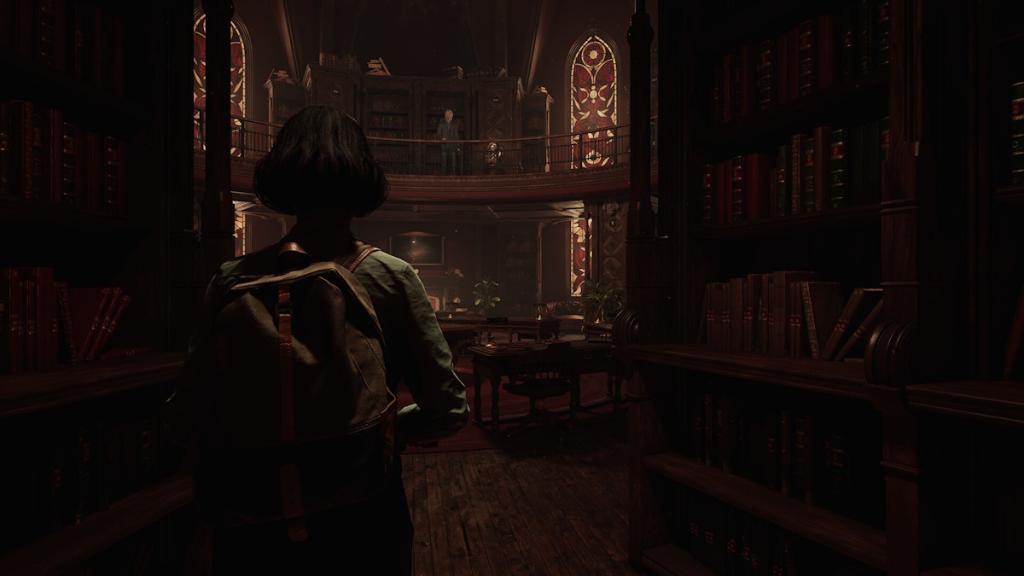
My play session cut to black just as a thread between Noa and Aaron tightened.
The prologue ends precisely when you want answers, and that’s both the demo’s trick and its promise. Performance hiccups were visible — frame drops on a capable PC and a few rough edges — but this is pre-release work. Think of it as a film reel with a few frames scratched: the story’s tone reads clearly despite noise.
Will Ubisoft-level polishing and QA smooth the bumps? They usually do, and if this hits shelves at the expected $59.99 (€60) standard price, players will judge both the full package and whether the team can recreate the emotional tether Ezio and Desmond had. The creators have pedigree, and pedigree buys patience, but not unconditional faith.
I left the prologue thinking about restraint and tone more than flashy systems. If you want the Ezio-Desmond chemistry replicated, the demo hints at it but doesn’t commit. The team showed craft and taste, and that’s reason enough to keep watching how this evolves. Will their next moves rebuild that exact emotional chain, or will they chart a different, riskier path instead?